

New Court Blow for Kalshi in State Fight
The Maryland appeals court backs state regulation, while the CFTC wants Kalshi and other platforms to be active nationwide. That is adding to the legal chaos around prediction markets in the U.S.
Key Takeaways
- A federal appeals court ruled that Maryland can regulate Kalshi under its sports laws.
- The CFTC wants regulated platforms like Kalshi, Polymarket, and Coinbase to offer contracts nationwide again.
- Kalshi says the legal rulings conflict with each other, leaving prediction markets facing major uncertainty.
Legal pressure on U.S. prediction markets is continuing to build. A federal appeals court has once again ruled that Maryland can regulate Kalshi in the state, while the Commodity Futures Trading Commission is demanding that regulated platforms become active again in all 50 states. That leaves the industry caught between conflicting orders from judges and regulators.
Maryland Wins Again
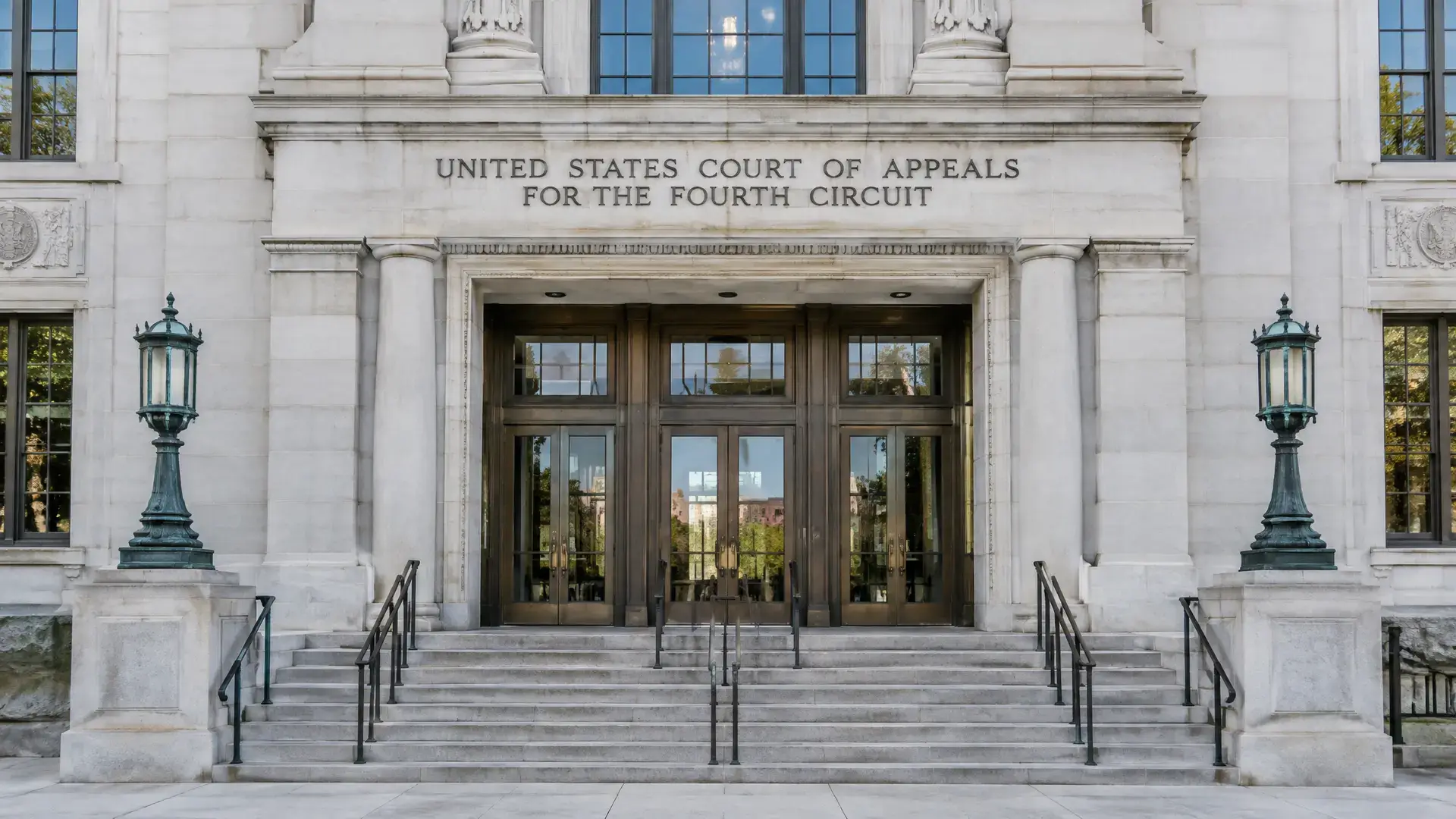
The U.S. Court of Appeals for the Fourth Circuit ruled Wednesday in a 2-1 decision that Maryland may keep oversight of Kalshi under its sports laws. That means three of the four recent appellate rulings have lined up with positions supporting state regulation.
Judge Roger Gregory wrote in his opinion that gambling regulation has long been a traditional power of the states. In his view, Congress would not have taken that power away without saying so very clearly.
Maryland Attorney General Anthony Brown said Kalshi should follow the same consumer protection rules as other sportsbooks in the state. He pointed to rules around customer data, misleading advertising, and marketing aimed at people who are not allowed to bet or who face gambling harm.
CFTC Puts Pressure on Platforms
At the same time, a 30-day deadline from the CFTC is running out. The regulator wants regulated exchanges like Kalshi, Polymarket, and Coinbase to offer their contracts nationwide again instead of following the geographic limits imposed by many states. If they do, they could violate federal court orders. If they do not, they risk a clash with their federal regulator.
Kalshi says the recent rulings are really just a mess of conflicting legal conclusions. A spokesperson said judges do not agree with each other on why the company should lose. The CFTC did not immediately respond to the question of whether it will actually enforce its position against rulings from federal judges.
Tensions around the platform have been rising for a while. In an earlier case over Kalshi's gambling practices, Arkansas already argued that the company is basically running an illegal gambling platform.
Why This Matters for Europe
The case shows how quickly prediction markets run into existing rules around gambling, consumer protection, and oversight. For European crypto and derivatives firms, that matters because clearer laws are often needed before new investment products can scale broadly. As long as courts and regulators keep pulling in different directions, legal uncertainty will remain high.