New York Publishes Address List of 31,000 Luxury Homes
The list is tied to the pied-à-terre tax and includes street addresses and unit numbers for luxury homes. Crypto founders worry the searchable data also raises privacy and security risks.
Key Takeaways
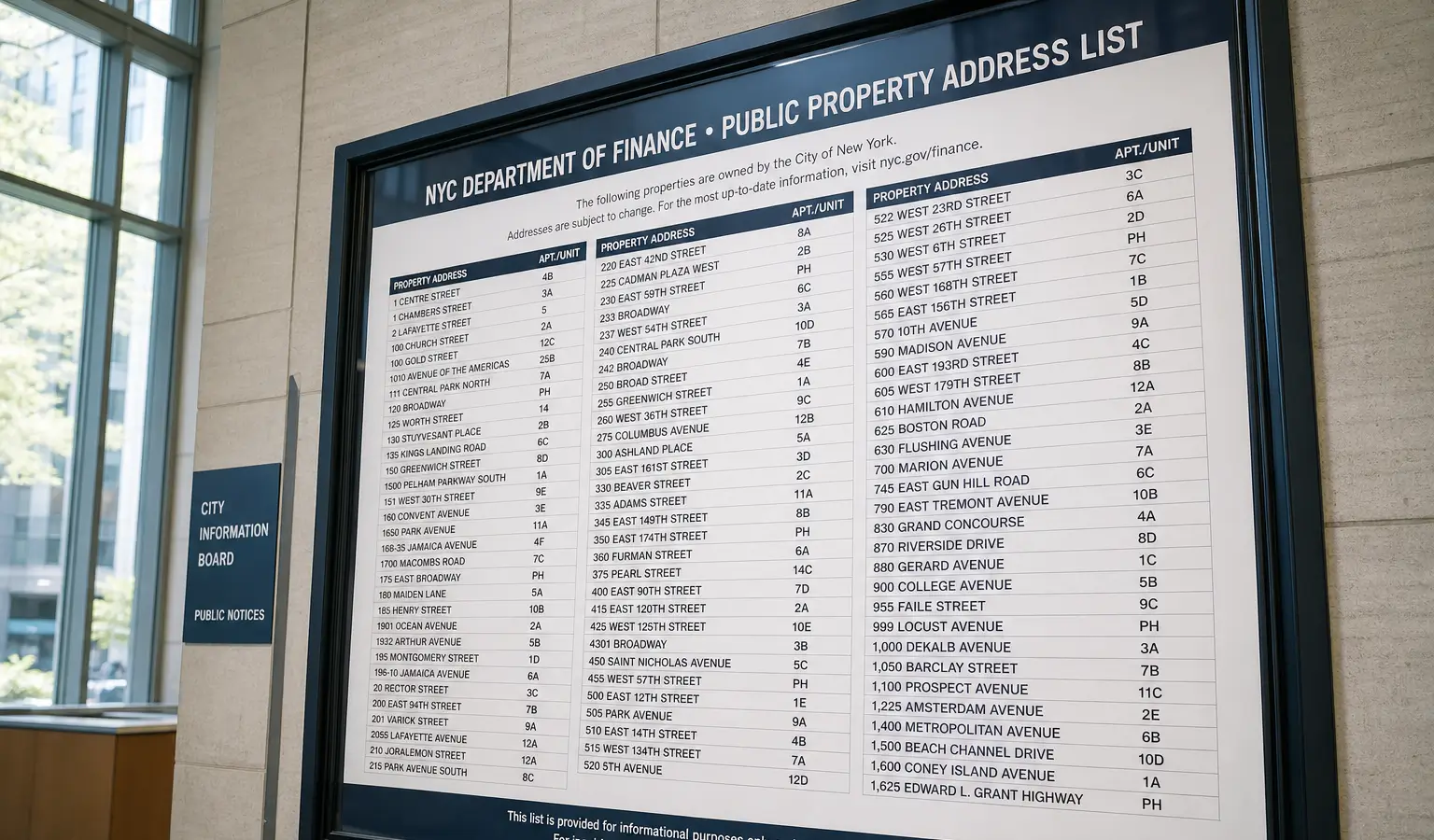
- New York released a list of 31,000 luxury homes, with street names, building addresses, and apartment numbers included.
- The disclosure is linked to the pied-à-terre tax, which applies to second homes and takes effect on July 1.
- Crypto founders say the searchable list could make wealthy residents less private and easier to target.
New York City has released a database of 31,000 homes that includes street names, building addresses, and apartment numbers. To crypto founders and other wealthy residents, it looks a lot like a ready-made map to private residences, while the city says the disclosure is necessary to enforce a new tax on second homes.
What New York Published
The list went public on July 24 and is connected to the so-called pied-à-terre tax, which has been in effect since July 1. The tax applies to homes that the owner does not occupy full time. For condos and co-ops, the cutoff is $1 million (€0.9 million), while houses are taxed at $5 million (€4.4 million).
That helps explain why apartments make up most of the list: 24,700 compared with 6,800 houses. City officials had expected around 10,000 properties, but the final count came in at more than three times that amount. Under the law, New York had to identify every property that might be subject to the tax, and for co-ops it also had to list the street address and unit number.
Ben Williams, a property tax lawyer at Rosenberg & Estis, told Bloomberg the list is much broader than it should be and expects many homes to drop off after appeals. The city must send assessments by August 30 at the latest, and owners then have 30 days to challenge them. The final list is due by December 31.
Why Crypto Founders Are Worried
Uniswap founder Hayden Adams said that in luxury buildings, he found not only the units of people he knows, but nearly every apartment in those towers. Helius CEO Mert Mumtaz noted that the information was already public, but the new format makes it much cleaner and easier to search.
Castle Island Ventures partner Nic Carter compared the situation with recent kidnapping and extortion cases tied to crypto in Europe. He was not saying New York is publishing crypto addresses, but rather that a searchable list of wealthy residents could still give bad actors a useful starting point for data-driven targeting.
A Broader Signal for Europe
The release fits a wider pattern of cities taxing luxury or underused homes more aggressively in an effort to curb speculation and vacancy. Similar policies have also been rolled out in places like Paris and Brussels. For European crypto readers, the bigger point is that addresses, tax records, and wealth profiles are showing up together more often in digital form, which makes the privacy risks around public records harder to ignore. It also feeds into broader debates about how governments combine financial and identity data, including the discussion around age verification and other digital registries.