New York Sues Kalshi Over Illegal Betting
The state says Kalshi’s event contracts amount to illegal bets on sports, elections, and culture. The case adds to the ongoing clash between state law and CFTC oversight.
Key Takeaways
- New York has sued Kalshi, saying the platform is operating as an illegal gambling business without a gaming license.
- The state wants Kalshi barred from New York and is seeking disgorgement of wagers, losses, business profits, and additional penalties.
- The case is part of a broader U.S. legal battle over prediction markets, sports betting, and the split between federal and state authority.
New York has filed suit against prediction market platform Kalshi, arguing that the company is running an illegal gambling business without a gaming license. The state is asking to keep Kalshi out of New York and wants a full accounting of wagers, losses, and business profits.
New York Complaint
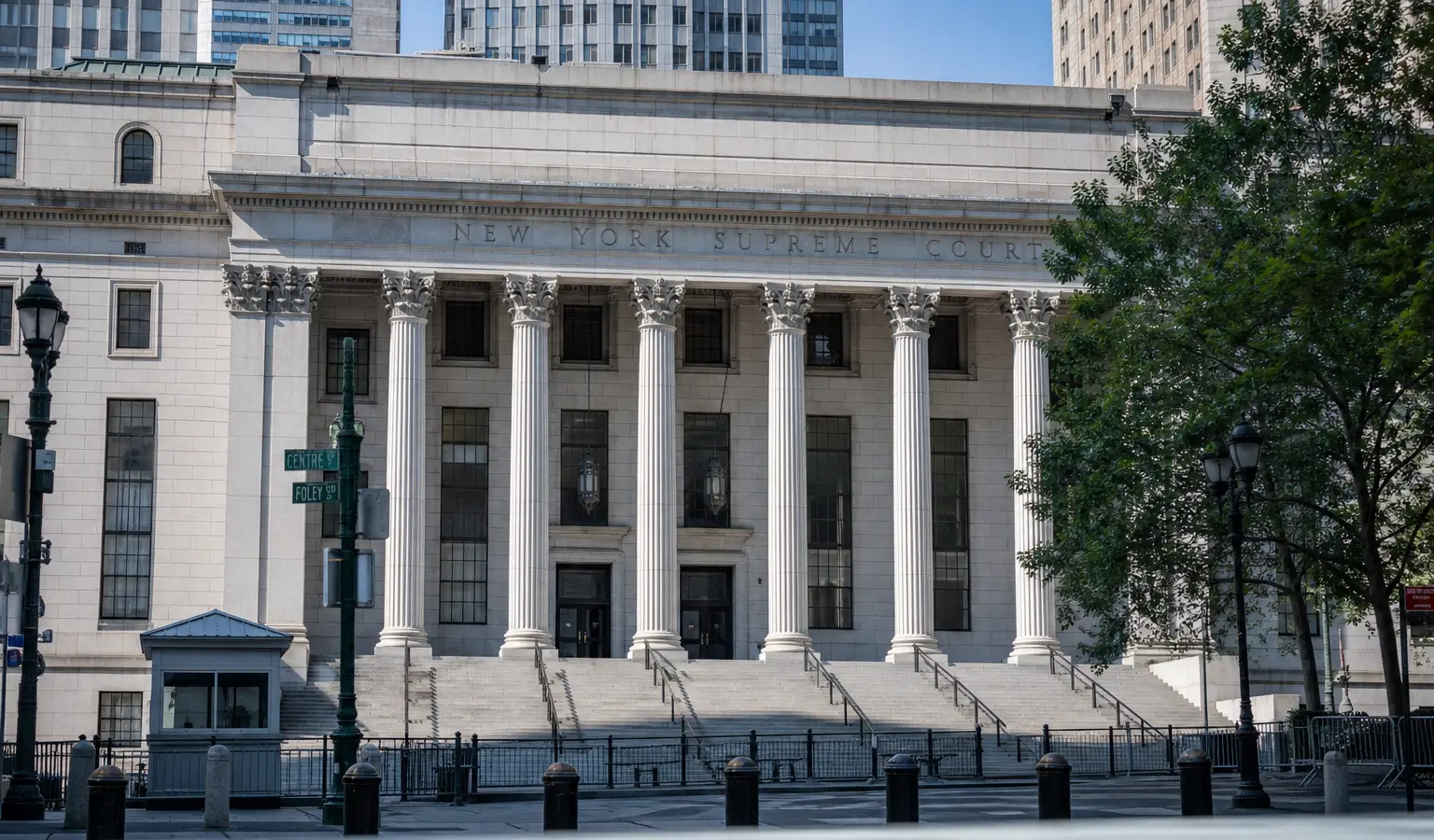
The lawsuit was filed Friday in the New York Supreme Court. Attorney General Letitia James says Kalshi’s event contracts are illegal bets tied to sports, elections, and culture. The complaint also says the platform allows users ages 18 to 20 to place bets, even though licensed sportsbooks in the state are not allowed to do that.
New York is asking the court to stop Kalshi from operating as an unlicensed gambling business. The state is also seeking a penalty equal to three times the revenue from the activity, plus $100,000 (€87,100) for every unauthorized or attempted offer of sports or mobile sports wagering. In addition, it wants restitution, damages, and civil penalties.
Broader Legal Fight
The case is part of a larger wave of legal pressure on prediction markets in the U.S.. Kalshi and rival Polymarket recently won a temporary reprieve in Minnesota after a federal judge said the state law banning prediction markets likely conflicts with the Commodity Exchange Act. Even so, the fight between federal and state rules is still very much alive, since the CFTC oversees Kalshi as a designated contract market while states continue to challenge its sports-related contracts.
Kalshi is now under scrutiny in multiple states. In Arizona, criminal charges were filed in March 2026, with accusations that the company was running an illegal gambling business without a license and was also involved in election betting. That makes the New York case more than just another lawsuit. It underscores how unsettled the legal status of prediction markets in the U.S. still is.
Why This Matters
For European crypto readers, this matters because prediction markets sit right at the crossroads of crypto, derivatives, and gambling. The outcome could help define how far U.S. regulators are willing to go in restricting event contracts, and how aggressively states and federal agencies will keep defending their own authority. For platforms in this corner of the market, that could shape how they design and offer products.
The pressure on Kalshi is also happening alongside another legal win for the company: in a separate case, it got temporary relief in Minnesota after a federal judge said the state ban likely conflicts with federal law. That shows just how divided U.S. rules for prediction markets remain.