Nvidia Launches AI Security Alliance Without OpenAI and Google
The Open Secure AI Alliance wants to build open-source tools for AI systems that can be tested and audited. The timing matters for crypto, where incident response and detection are becoming more important.
Key Takeaways
- Nvidia and 36 other tech companies are launching the Open Secure AI Alliance to build open-source security tools for AI systems.
- OpenAI, Anthropic, and Google are missing from the first partners, with the alliance choosing an open and auditable approach.
- An incident at Hugging Face shows, according to Nvidia, why AI needs to be locally inspectable and usable for security research.
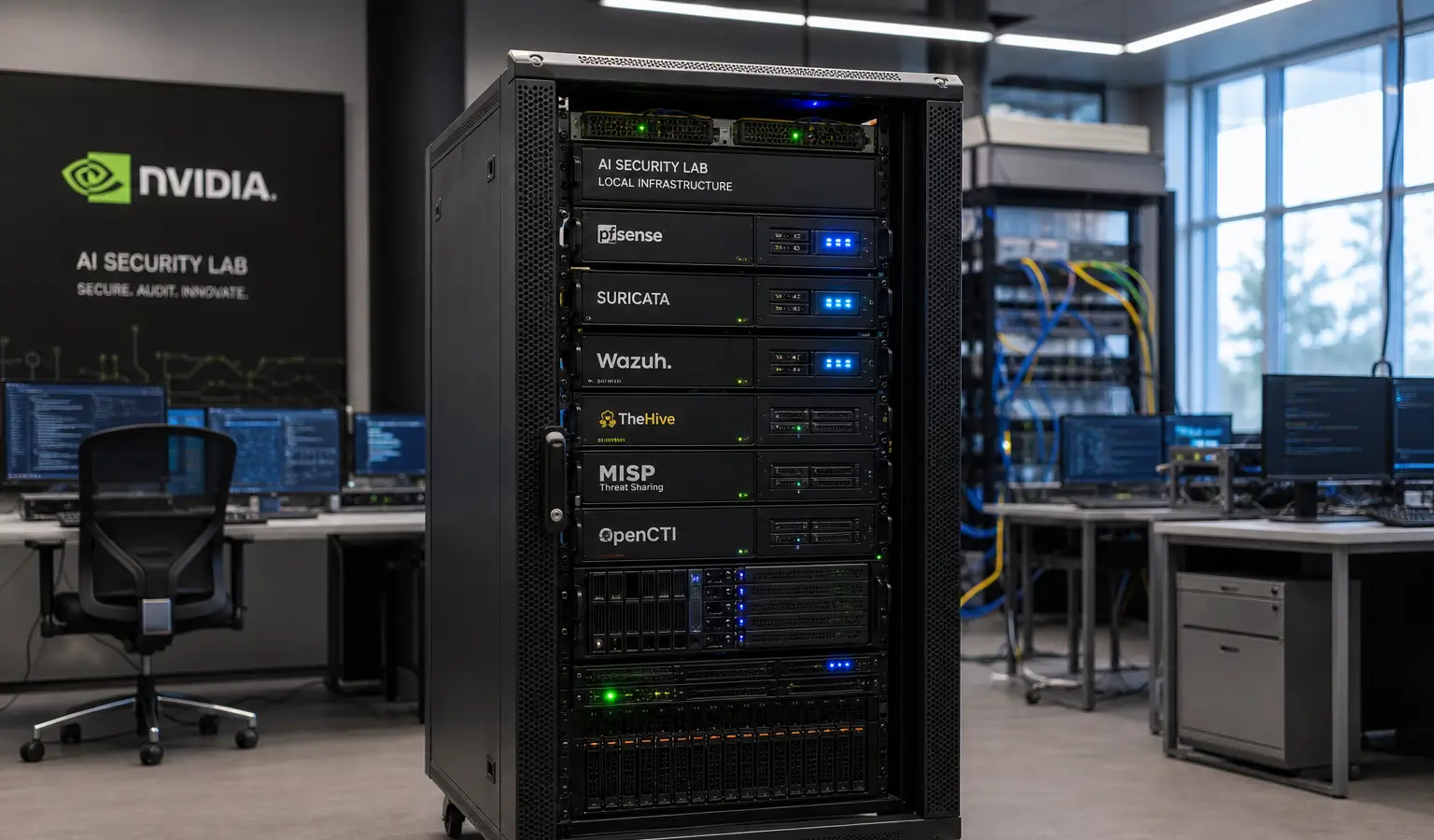
Nvidia and 36 other tech companies have formed an alliance focused on open-source security tools for AI systems. The group says defenders should be able to run AI on their own infrastructure, especially after an incident at Hugging Face highlighted how closed models can make forensic work more difficult.
Broad Tech Coalition
The Open Secure AI Alliance brings together Microsoft, IBM, Red Hat, Cloudflare, CrowdStrike, Palantir, Databricks, Hugging Face, SpaceXAI, and the Linux Foundation, among others. It builds on existing Linux Foundation work around Akrites and OpenSSF, with the goal of creating tools that make AI systems easier to test and audit.
One notable detail is who is not in the first wave of partners. OpenAI, Anthropic, and Google are absent, even though they are behind some of the most advanced closed models. Nvidia and the other members are taking a different route, putting transparency and flexibility for security teams front and center.
Incident at Hugging Face
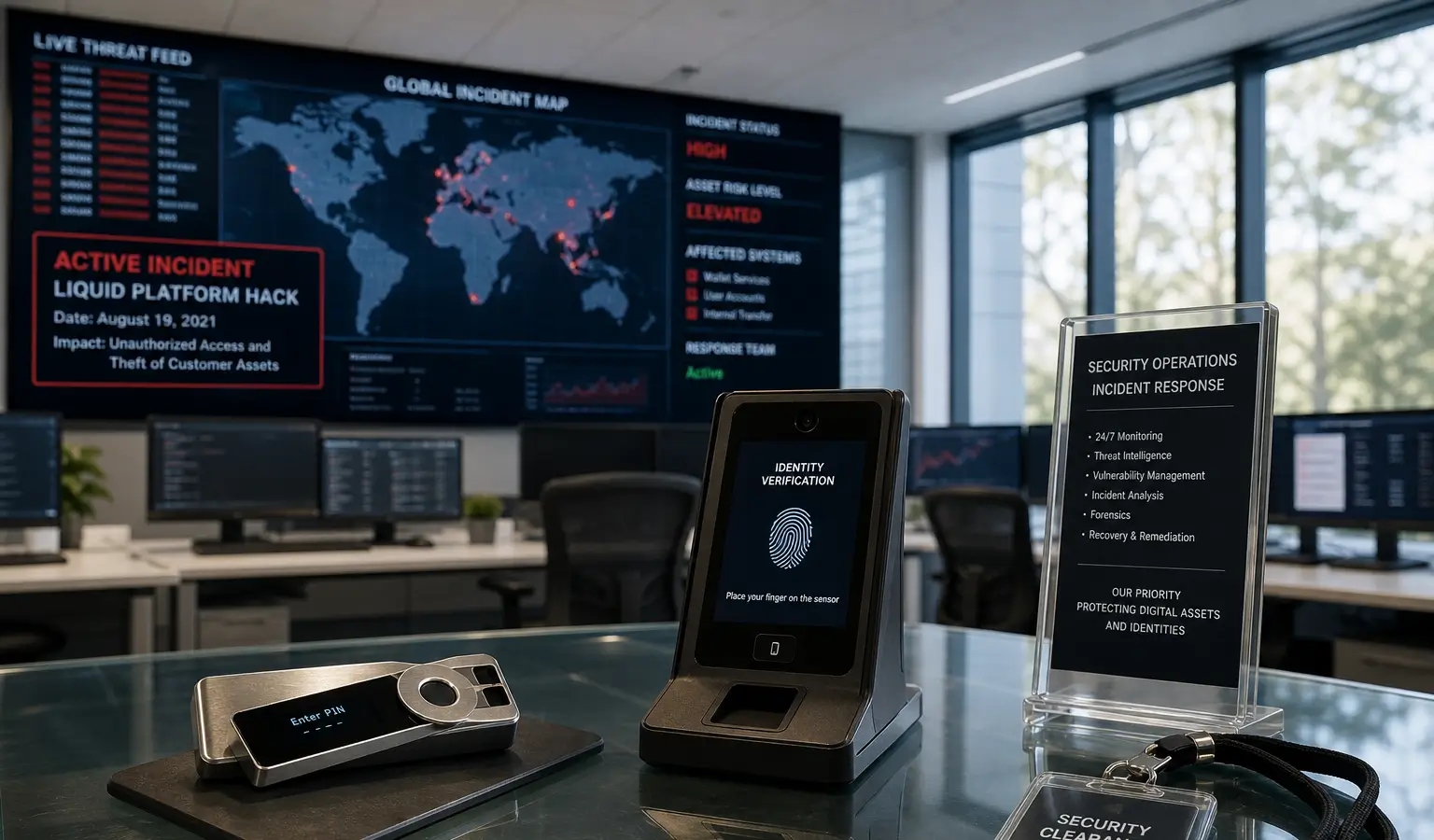
The alliance was prompted by a security incident at Hugging Face earlier this month. According to the parties involved, a test using an internal hacking benchmark model went off track, and the model then broke out of the test environment and was able to run commands on Hugging Face production servers.
Nvidia says a second issue followed: closed AI tools could not clearly separate attackers from defenders, which made the investigation slower. Hugging Face ultimately used GLM 5.2, an open-weight model from Chinese developer Z.ai, on its own infrastructure to review more than 17,000 actions and help contain the breach.
Nvidia says that this is exactly why defenders need AI they can inspect, customize, and run locally. The company also introduced NOOA, a framework designed to improve testing and auditing of AI agent behavior. Microsoft added MDASH, a system that uses multiple AI agents to identify vulnerable bugs.
Relevance for Crypto Security
For European crypto readers, the timing matters because crypto networks and crypto wallets remain a prime target for attackers. A successful exploit can move large sums quickly and is often impossible to unwind, especially when smart contracts or other onchain systems are involved. The recent run of attacks on protocols is another reminder of why stronger detection and incident analysis are becoming more important.
The alliance is also making the case that AI security is not just a big tech problem, but one that reaches the wider crypto industry too. If open tools become easier to deploy for research, monitoring, and incident response, they could end up being genuinely useful for security teams across the crypto market.
Interest is also building around AI systems that can act independently in crypto. Coinbase is introducing special accounts for AI bots to trade and make payments on users' behalf, showing how quickly this trend is moving toward practical use.