

Nvidia Drops Sharply After Jensen Huang Exit and Kress Appointment
Kress is taking the reins temporarily while Nvidia looks for a permanent successor; the sell-off is also hitting the broader AI supply chain and raising questions in Washington about export controls.
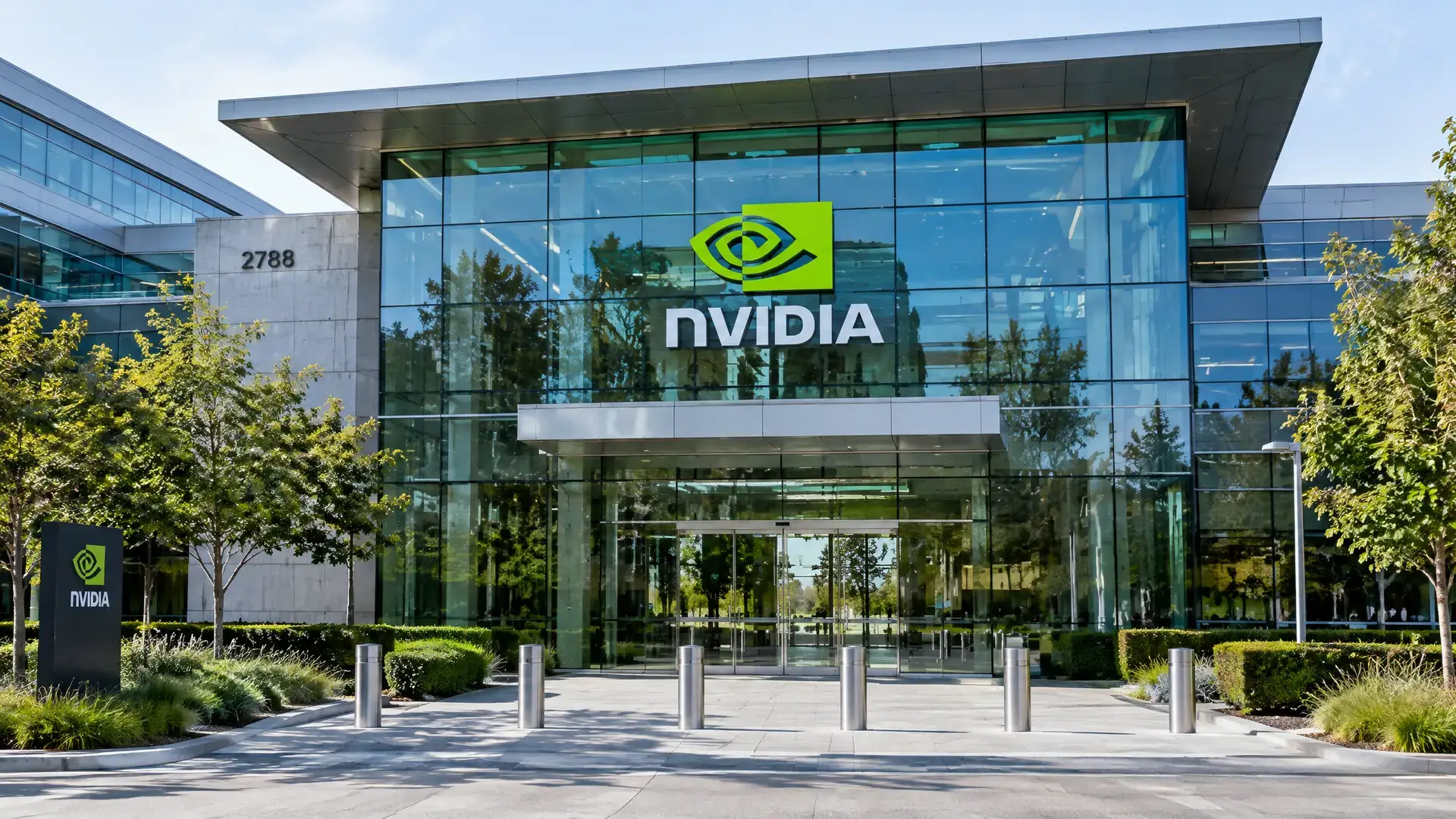
Key Takeaways
- Nvidia fell hard on Thursday after Jensen Huang stepped down effective immediately and Colette Kress became interim CEO.
- The stock opened more than 13% lower, and the company has lost about $2 trillion in market value since the start of October.
- Nvidia is looking for a permanent successor and is sticking with its November 17 earnings report, while the broader AI supply chain also came under pressure.
Nvidia tumbled hard on Thursday after CEO Jensen Huang stepped down effective immediately and Chief Financial Officer Colette Kress temporarily took over. The stock opened more than 13% lower, and the company has lost about $2 trillion (€1.8 trillion) in market value since the start of October.
Kress Takes Over Temporarily
According to Nvidia, Kress will remain CFO alongside her role as interim CEO. The company said the board has a lot of confidence in her and in the management team, and that operations, customer commitments, and product planning will continue without interruption.
Nvidia is now starting its search for a permanent successor. The company is looking at both internal and external candidates. It is also sticking with its November 17 earnings presentation.
Kress has worked at Nvidia since 2013. Before that, she held senior finance roles at Texas Instruments, Microsoft, and Cisco. Her appointment is meant to bring some calm after a period in which attention on Huang grew sharply because of questions around his private life and the possible impact on the company.
Stock Under Heavy Pressure
The sell-off came on top of an already weak week for Nvidia. The stock closed Wednesday at $173.73 (€156), after peaking at $239.24 (€215) on October 6. That means a big chunk of the recent gains has now disappeared.
The broader AI supply chain also felt the shock. Suppliers and companies that rely heavily on Nvidia’s chips, such as CoreWeave, IREN, and Nebius, also moved lower. At the same time, some rivals, including AMD and Broadcom, actually gained ground.
The timing is especially sensitive because Nvidia has long been under a microscope in Washington. U.S. regulators and politicians are closely watching export controls and whether Nvidia chips have made their way into China through back channels. That makes Huang’s succession not just a boardroom issue, but also one with broader political weight.
Why This Matters Beyond Nvidia
For European readers, this matters because Nvidia is one of the biggest names in the global AI trade. If the company goes through such a major leadership change, it could also affect sentiment around AI stocks, chipmakers, and companies that depend on Nvidia hardware. The mix of boardroom turmoil and U.S. oversight shows how tightly technology, politics, and capital markets are now tied together. Companies directly linked to Nvidia, such as CoreWeave, often move with it when sentiment around the chipmaker shifts.