Oil Fears Weigh on Bitcoin as U.S.-Iran Conflict Drags On
Rising tension around the Strait of Hormuz is pushing oil prices higher and putting pressure on Bitcoin. Traders worry that a longer U.S.-Iran conflict could further hurt risk appetite.
Key Takeaways
- A Reuters/Ipsos poll shows that 79% of Americans expect the conflict between the U.S. and Iran to last a long time.
- Bitcoin fell to around $62,600 as traders priced in possible disruptions around the Strait of Hormuz and broader risk aversion.
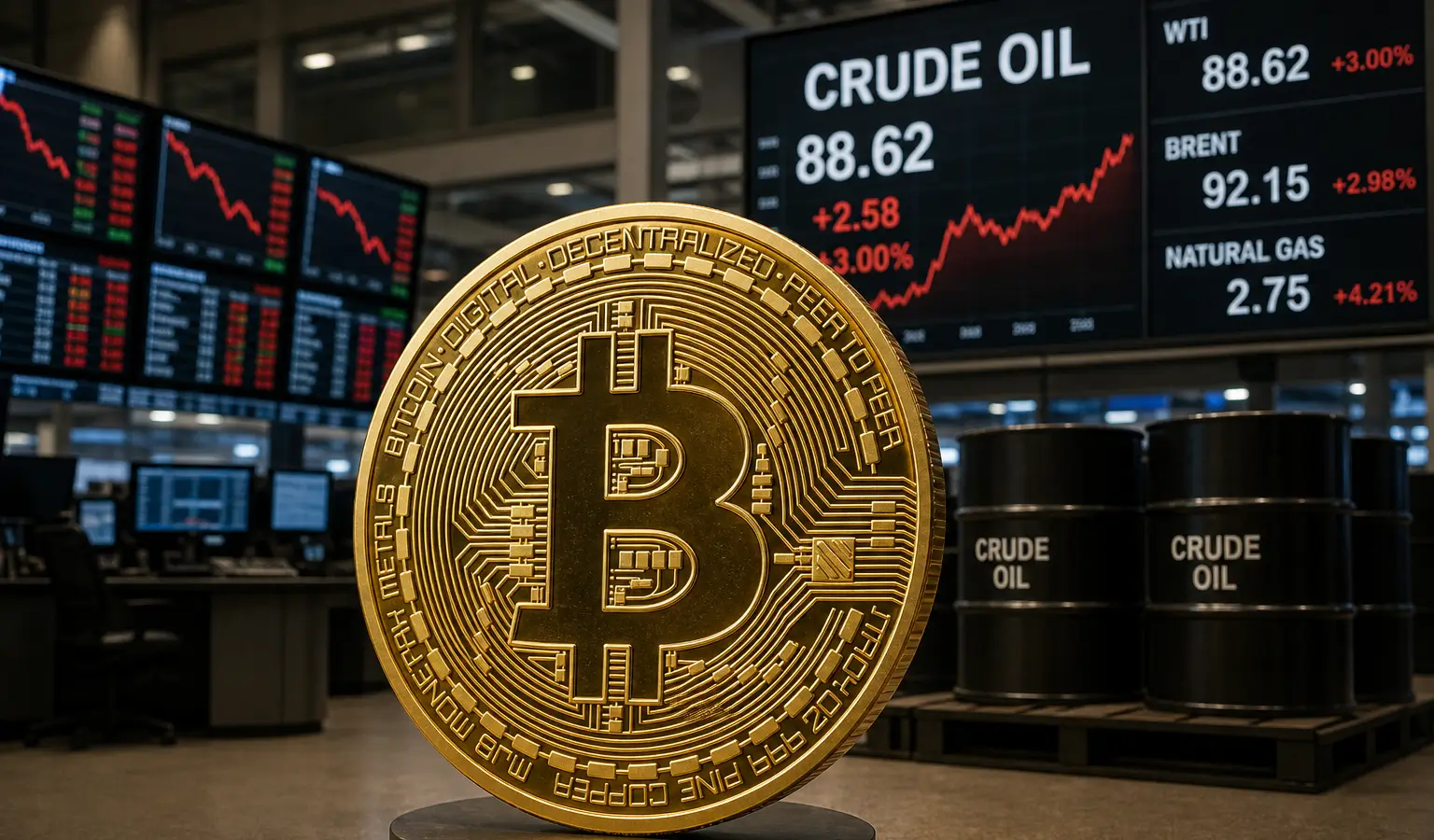
- Oil rose about 4% after tensions escalated, while the market worries about higher energy prices and extra pressure on crypto.
A new poll suggests that almost four in five Americans think the U.S. and Iran are headed for a drawn-out conflict. Meanwhile, crypto is already feeling the strain from rising tension around the Strait of Hormuz. Bitcoin slipped to about $62,600 as traders once again priced in possible disruptions to energy flows and a broader move away from risk.
Poll Points to a Long War
A Reuters/Ipsos poll of 1,019 U.S. adults found that 79% do not expect the fighting to end soon. Just 18% said they think the conflict could wrap up within a few weeks. Public support for the strikes also looks limited, with 37% of respondents saying they back them.
The politics around the conflict are also delicate. President Donald Trump told Congress that military action restarted on July 7, which gives the military another 60 days to keep operating without congressional approval. That lands months before the November midterms, when higher gas prices could add pressure on Republicans.
Hormuz Keeps Markets on Edge
The Strait of Hormuz remains one of the biggest flash points for oil traders and investors. Roughly 20% of global oil trade, or about 20 million barrels a day, moves through the narrow waterway every day. That means any talk of a blockade can quickly affect energy prices and market sentiment more broadly.
Trump said Monday that he wants to shut down Iranian ports near the strait and take 20% off every shipment that passes through. Tehran had already said the channel was closed earlier. Crude then climbed about 4%, while Bitcoin came under pressure as traders priced in the risk of a longer bottleneck.
The move fits a familiar pattern in which geopolitical shocks quickly spill into crypto. In an earlier market reaction, Bitcoin had already fallen to around $62,600 (€54,800) when Trump announced his plan around the Strait of Hormuz and oil moved higher.
Why This Matters for Crypto
For European crypto readers, the main takeaway is that Bitcoin often trades like a risk asset when tensions like this flare up. If oil keeps rising, investors may start focusing more on inflation, growth, and liquidity, all of which can spill over into crypto as well. With geopolitical uncertainty and higher energy prices both in play, Bitcoin is especially sensitive to headlines out of Washington and the Middle East.