Ondo Finance Put Up for Sale After Founder Nathan Allman’s Death
After Nathan Allman’s death, his estate is clashing with interim CEO Ian De Bode, while Ondo’s tokenized Treasuries and stocks are worth more than $3.8 billion.
Key Takeaways
- Ondo Finance was pitched to potential buyers after the sudden death of founder Nathan Allman.
- A legal dispute over control of the company is temporarily blocking a possible sale.
- Ondo manages tokenized Treasuries and stocks and has more than $3.8 billion outstanding, according to available figures.
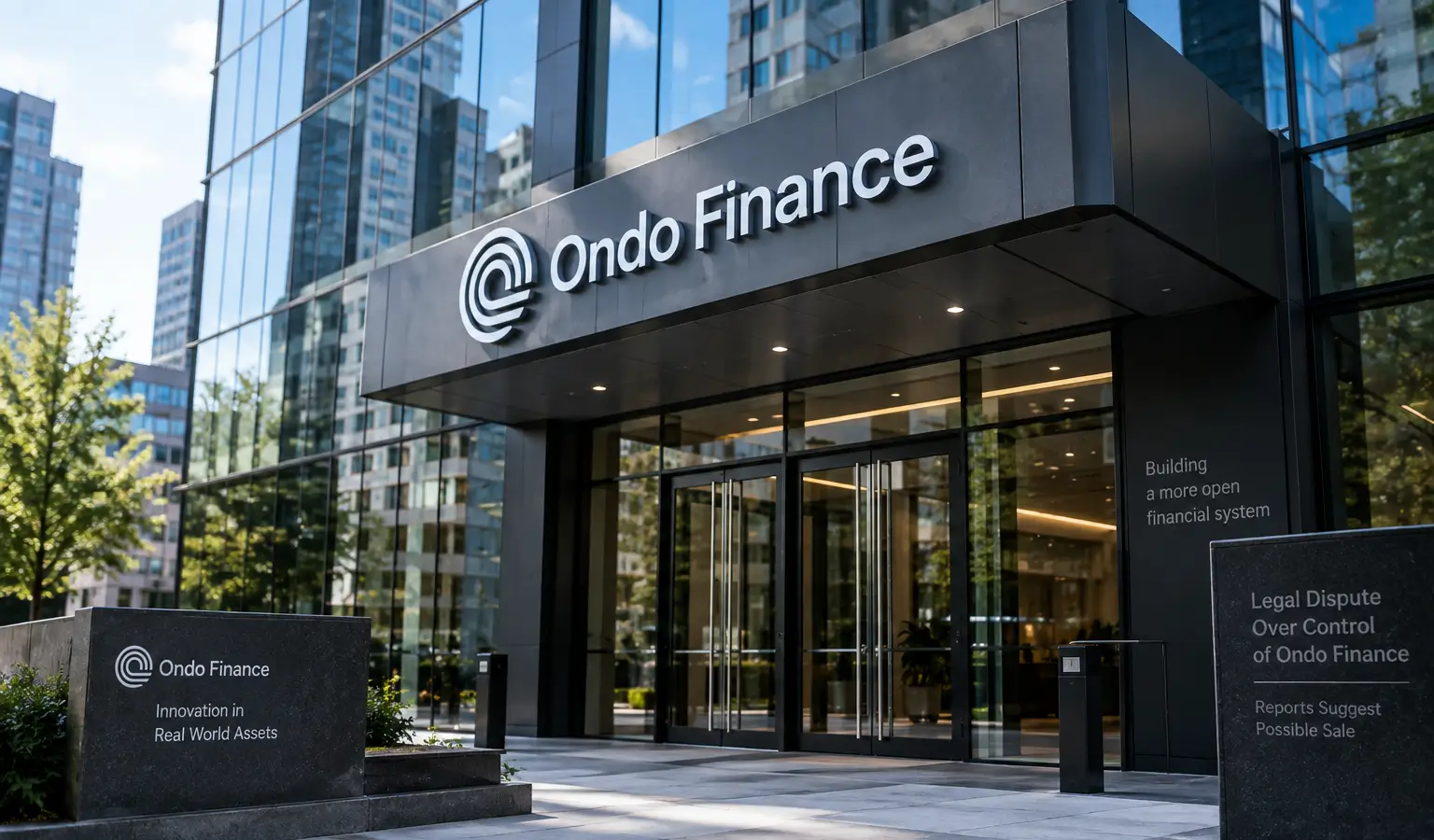
Ondo Finance was pitched to potential buyers after the sudden death of founder and CEO Nathan Allman, but a legal battle over control of the company appears to be temporarily blocking a sale. The tokenization firm manages tokenized Treasuries and stocks and has more than $3.8 billion in products outstanding, according to available figures more than $3.8 billion in products outstanding.
Sale Attempt After Allman’s Death
According to people familiar with the matter, potential buyers were approached after Allman died on May 25. It is not clear who exactly was behind those talks. The company itself denies that there was ever a sale process and says the reports about it are incorrect.
Ondo was founded in 2021 by former Goldman Sachs employees and grew into one of the better-known names in tokenized finance. The company says it offers tokenized U.S. Treasuries and stocks, and Ondo’s OUSG funds include investments in BlackRock’s tokenized BUIDL fund.
Control Fight Puts Sale on Hold
After Allman’s unexpected death, his estate went to his parents because he did not leave a will. In August, the estate filed a lawsuit against interim CEO Ian De Bode, accusing him of an unlawful power grab and money grab. Under a current court ruling, De Bode is allowed to run the company day to day, but he cannot make major changes while the dispute continues.
That fight makes a sale difficult. One person involved said the escalating feud likely put deal plans on hold. Ondo itself did not want to comment on the matter, while the estate also declined to comment.
Why This Matters
The case shows how fragile governance can be at crypto companies that rely heavily on a founder and a small group of controlling shareholders. That matters even more in the market for tokenized real-world assets, where companies like Ondo are trying to bring traditional investments onto the blockchain. The sector is growing fast, but this case also makes clear that legal structure and succession can be just as important as product growth.