

Paraguay Puts Bitcoin Miners Under Pressure With AI Contracts
ANDE is letting crypto contracts expire at the end of 2027, while a 15-year power deal for an AI campus has already been signed. HIVE Digital Technologies, in particular, risks losing capacity in Paraguay as a result.
Key Takeaways
- Paraguay is letting ANDE's special crypto power contracts expire on December 31, 2027.
- HIVE Digital Technologies has the most Paraguayan capacity and may have to renegotiate two major power deals.
- ANDE has already signed a 15-year contract for up to 286 megawatts for a planned AI campus.
Paraguay is putting its cheap power for Bitcoin miners under pressure as the state utility ANDE wants all special crypto contracts to expire on December 31, 2027. At the same time, the country has signed a 15-year power contract for a large AI campus, which is further heating up the fight over electricity in the country.
Cheap Power Comes Under Pressure
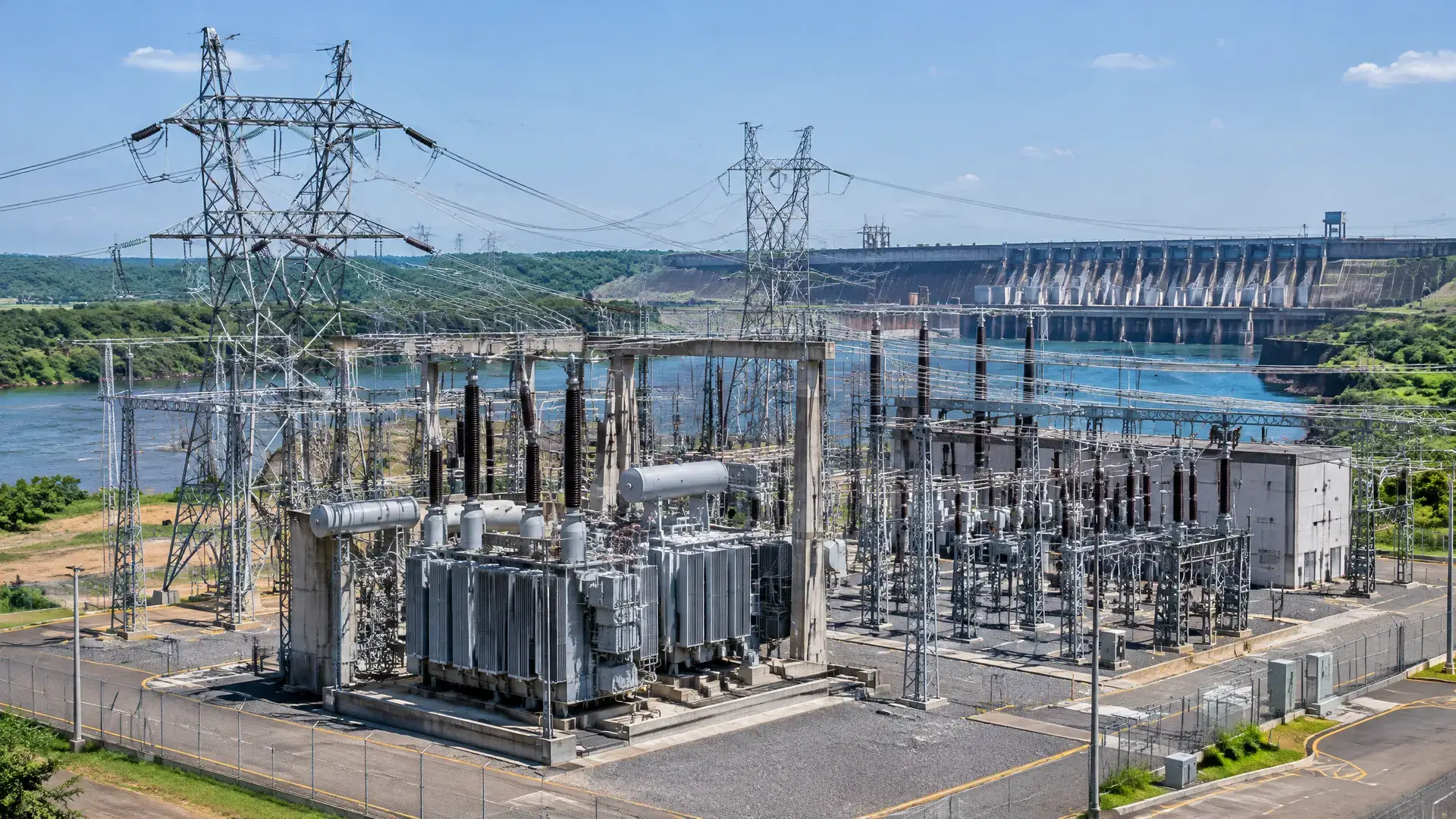
For years, Paraguay attracted foreign mining companies with surplus hydropower from the Itaipu Dam, on the border with Brazil. According to the primary figures, those deals brought the country about $350 million a year and made Paraguay the fourth-largest Bitcoin mining hub in the world.
That picture is changing fast. ANDE says the end-of-2027 deadline is final, while domestic power demand keeps growing. The utility was already expecting national demand to rise by almost 8% per year through 2027 and then by about 5% per year after that. In 2025, total electricity use in Paraguay also rose 12.5% to 29,419 GWh, while energy-intensive sectors such as data processing, storage, crypto mining, and data centers together used 5,464.9 GWh, up 138.5% year over year.
HIVE Has the Most to Lose
For HIVE Digital Technologies, the stakes are highest. The Nasdaq- and Toronto-listed mining company has two Paraguayan power deals, for 200 megawatts in Yguazú and 100 megawatts in Valenzuela, both of which expire at the end of 2027. In its annual report, HIVE said that continuing depends on the ability to renegotiate that agreement.
The company has most of its mining capacity in Paraguay. Of the 385 megawatts HIVE had in operation at the end of April, about 297 megawatts were at those two sites. HIVE did not want to comment on ongoing talks with ANDE, but it did stress that it supports a transparent and sustainable framework for large power users.
The debate also ties into HIVE's broader strategy. The company uses revenue from mining to fund its AI business, BUZZ HPC. That makes the outcome in Paraguay relevant not just for Bitcoin mining, but also for how a publicly traded crypto company can support its other growth plans.
AI Already Has a Contract
While miners wait for clarity, an AI project in the same area has already secured a contract. On October 22, ANDE signed a 15-year contract with Kuntur, a Paraguayan company linked to Araico Corporation, for up to 286 megawatts for the planned Iguazú AI City campus.
Deliveries start on December 1 with 6 megawatts and ramp up to 146 megawatts in April 2028, three months after the mining contracts expire. The average price is $48.91 (€44) per megawatt-hour and rises each year with U.S. inflation, with a minimum of 2.5%.
That fits into a broader shift in Paraguay. Power demand is growing faster because of energy-hungry industries, while Itaipu is already supplying more electricity to keep up with that demand. According to the available forecasts, current hydropower capacity could get tight around 2029, which would further increase the pressure on how power is split between Bitcoin miners and new AI projects.