

Payward Sees Revenue Decline and Expands Beyond Kraken
Revenue fell because of weak trading volumes, but Payward is shifting its focus to banking, custody, data, and tokenized assets. AI and talks with Wells Fargo and BNY are also part of the picture.
Key Takeaways
- Payward, Kraken's parent company, saw revenue in the third quarter come in 12% lower than a year earlier because of lower trading fees.
- The revenue metric came in at $487 million, while 52% of income came from customer assets and access to products, data, and services.
- Payward is expanding into banking, asset management, AI, and tokenized assets to become less dependent on trading volumes.
Payward, the parent company of crypto exchange Kraken, saw revenue in the third quarter come in 12% lower than a year earlier. The decline was mainly because trading fees fell in a market with little activity, although revenue was still higher than in the second quarter.
Less Trading, More Diversification
Payward's preferred revenue metric came in at $487 million (€439 million). That metric replaces adjusted revenue and subtracts, among other things, staking rewards for customers and trading fees. That shows the company is not only leaning on Kraken, but increasingly on a broader mix of services.
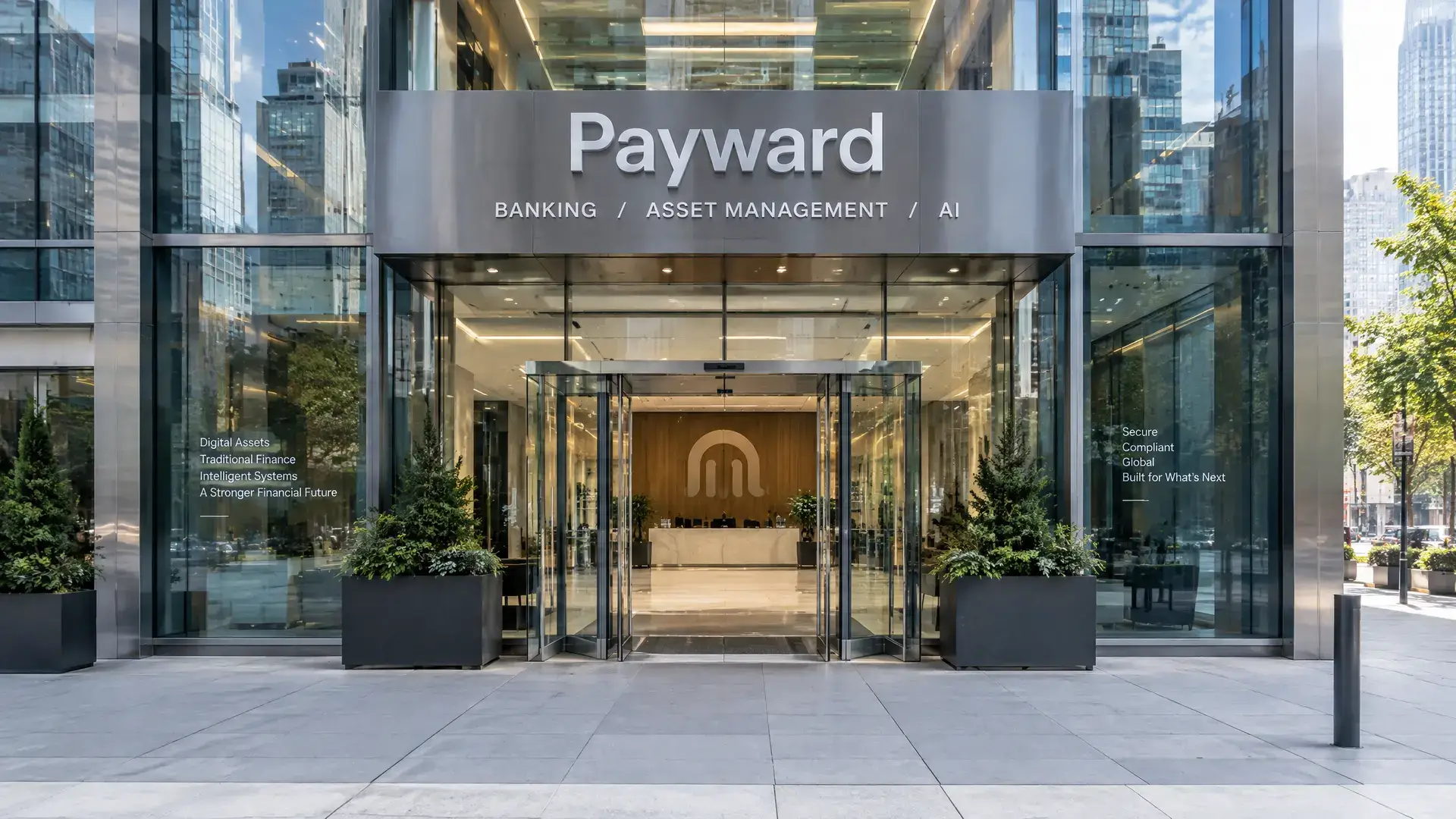
That shift is also visible in the makeup of its income. In the third quarter, 52% of total income came from customer assets and access to products, data, and services, up from 46% a year earlier. Payward is expanding its activities into trading, banking, asset management, and Payward Services, which provides financial infrastructure to other companies.
AI and Tokenized Assets
On top of that, Payward added artificial intelligence as a fifth pillar. The company mentioned plans for a personal financial agent and investment funds based on the xStocks platform for tokenized equities. It also wants to keep growing in futures, stocks, payments, custody, and lending.
That broader move is not unique to Payward. Other crypto exchanges are also looking for revenue outside trading fees as volumes come under pressure. Coinbase, for example, said subscription and services revenue in the third quarter of 2026 made up 49% of net revenue, compared with 41% a year earlier.
Banks Remain Interesting
Payward is also clearly looking to connect with traditional financial firms. The company spoke with Wells Fargo about liquidity for crypto trading and also held talks with BNY about a possible partnership around digital assets, custody, wealth management, trading, and payments. Those contacts show how crypto exchanges are increasingly trying to blur the line between crypto and traditional financial services.
For European crypto followers, that matters because the sector is trying to become less dependent on volatile trading volumes. If exchanges can generate more income from banking, custody, and data services, that can make their business model broader than transaction fees alone. As a result, competition between major platforms becomes less about pure volume in the crypto market.