

Plume Subsidiary Kimber Gets SEC and FINRA License
As a broker-dealer, Kimber Digital Securities can link U.S. securities to blockchain claims, with access to the DTC and self-custody wallets. The move fits into the rise of tokenization and stablecoin use under SEC and FINRA oversight.
Key Takeaways
- Kimber Digital Securities received registration from the SEC and approval from FINRA, allowing it to operate as a broker-dealer.
- The company can now buy and sell securities and link digital tokens to legal rights such as dividends and voting rights.
- Customers get access to the Depository Trust Company and can hold eligible stocks, ETFs, and bonds in a self-custodial wallet.
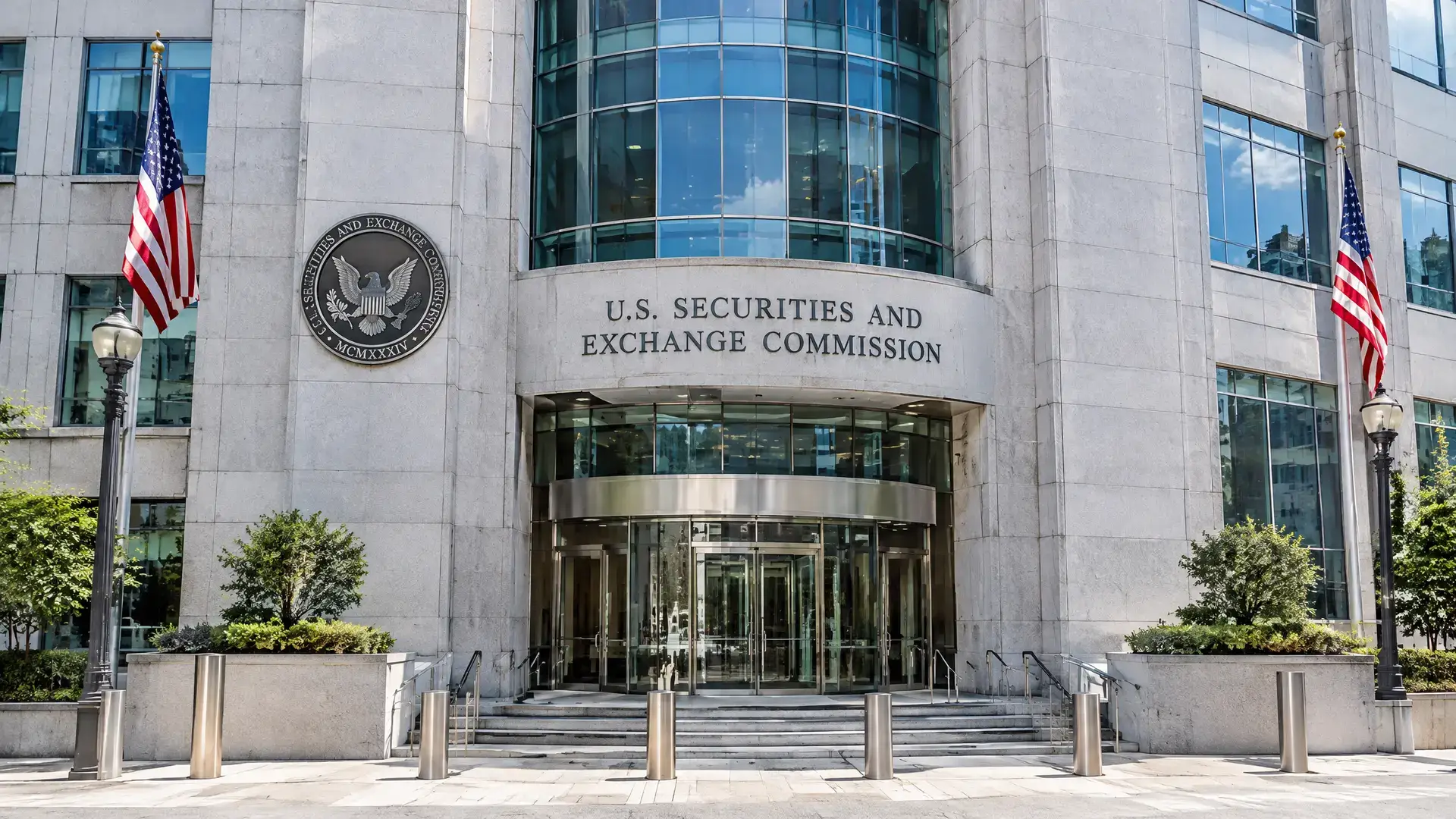
Kimber Labs, which operates under the name Plume, has taken an important regulatory step toward bringing real U.S. assets directly onto blockchain rails. Its subsidiary Kimber Digital Securities received registration from the SEC and approval from FINRA, allowing the company to now act as a broker-dealer.
Direct Access to DTC
According to the company, KDS can now buy and sell securities for clients. That means it does not have to work with synthetic wrapped tokens, but can link digital tokens to the legal rights of the underlying asset, such as dividends and voting rights.
The registration also gives clients access to the Depository Trust Company, the central securities depository for U.S. markets. Kimber says investors can therefore hold eligible stocks, ETFs, and bonds in a self-custodial wallet, while the bookkeeping as a claim is already recorded at the DTC.
That matters because traditional market infrastructure is moving closer to a public Ethereum-compatible blockchain. In practice, that means digital claims on U.S. financial assets can be held directly in a crypto wallet without the legal claim disappearing.
The broader market is moving in that direction too: major Wall Street firms are now using DTCC’s tokenization service for digital versions of U.S. stocks and Treasuries.
Why This Matters for Stablecoins
Kimber is clearly targeting stablecoin users. The company says stablecoin apps could use this to offer access to SEC-regulated yield-bearing products, including tokenized shares in funds from major U.S. asset managers, once U.S. stablecoin rules under the GENIUS Act take further shape.
For European crypto readers, this is especially relevant because it shows how quickly tokenization and regulated market infrastructure are moving toward each other. Kimber’s move also fits into a broader trend in which firms like Nasdaq Ventures, Wintermute USA, and GSR got more room in 2026 to work with tokenized securities and access to U.S. markets.