Polish Prosecutors Expand Zondacrypto Investigation
Roman Ż. is the fifth suspect in the BitBay/Zondacrypto investigation, where customers allegedly lost at least 350 million zloty in total, according to Polish justice officials.
Key Takeaways
- Polish prosecutors have charged a fifth suspect in the investigation into BitBay, later renamed Zondacrypto.
- Roman Ż. was arrested in Silesia and is suspected of, among other things, fraud; he denies the accusations.
- Customers are said to have lost at least 350 million zloty in total, while the fraud and money laundering investigation has been extended into next year.
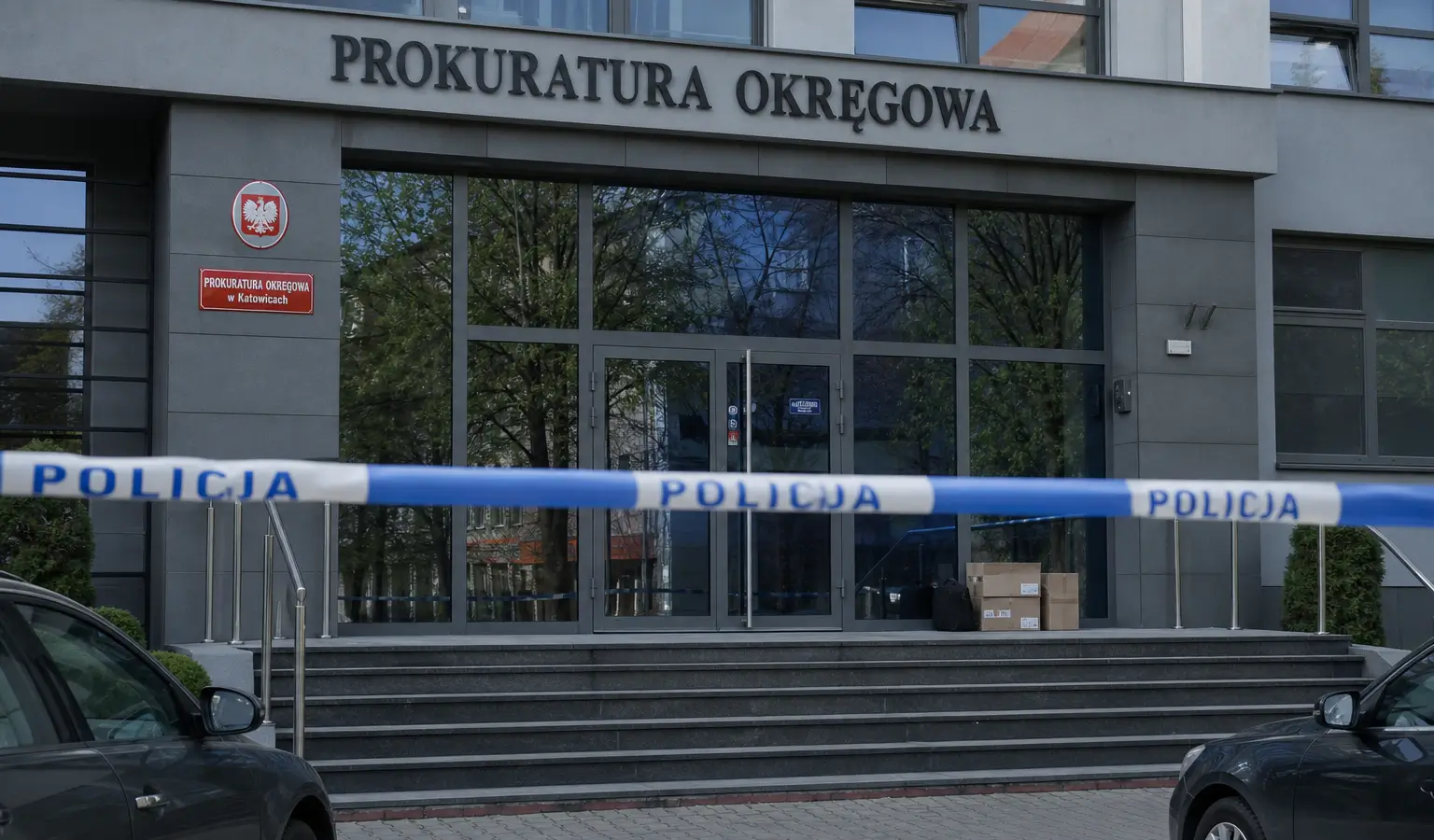
Polish prosecutors have charged a former business partner of Sylwester Suszek in the investigation into the collapsed crypto exchange BitBay, later renamed Zondacrypto. He is the fifth suspect to come into focus since the case was merged with the investigation into the founder's disappearance.
New Suspect Comes Into Focus
Roman Ż. was charged with two offenses, including fraud, according to Polish authorities. He was arrested on Saturday in the Polish region of Silesia and, according to his lawyer, had helped manage BitBay before the company became Zonda.
Prosecutors want Ż. to remain in custody for now. According to lawyer Błażej Gazda, his client denies the accusations and has given investigators a detailed statement. The second charge has not yet been publicly explained.
During searches, police seized expensive watches and documents linked to Zondacrypto. Prosecutors said they ordered the arrest because they feared Ż. would flee after hearing that he wanted to travel to China.
Impact on Customers
The case centers on the collapse of an exchange that started in 2014 as BitBay and was renamed Zondacrypto in 2021. The platform then had more than 1 million registered users. In April, the exchange stopped trading after customers reported frozen or delayed withdrawals.
There had already been payment delays for some customers, and on March 17 bitcoin deposits were halted, with the company pointing to market volatility. Shortly after that, the website went offline. The Estonian Financial Intelligence Unit also partially suspended the license of BB Trade Estonia OÜ, the entity behind the brand, which meant it could no longer accept new assets.
According to authorities, customers lost at least 350 million zloty in total, about $94 million (€80.9 million). Polish justice officials had already received more than 3,600 complaints in June, and the investigation into suspected large-scale fraud and money laundering has now been extended into next year. Local media also say there is still 4 million euros sitting in a frozen bank account.
Why This Matters
The case shows how quickly a major crypto exchange can turn into a broad criminal case, especially when customer funds get stuck and regulators step in. For European crypto readers, the key point is that this case is not just about business failure, but also about licenses, oversight, and who was responsible for managing customer funds.
BitBay's history also plays a role here. Poland's KNF regulator already put the platform on a public warning list in 2018 because of unauthorized financial activity. The exchange then moved its operations to Malta in 2019 and later to Estonia, outside direct Polish oversight. Suszek's disappearance in March 2022 is still unresolved, and that trail has now been merged with the Zondacrypto investigation. The arrest of another suspect in the same Zondacrypto case also shows how wide the Polish investigation has become.