Ripple Bets on XRPL Adoption With Aviva Investors
Aviva Investors wants to bring traditional funds onchain through XRPL, while Ripple sees MiCA and institutional adoption in Europe as a lever.
Key Takeaways
- Ripple President Monica Long wants 2026 to be the year institutional adoption on the XRP Ledger really breaks through at scale.
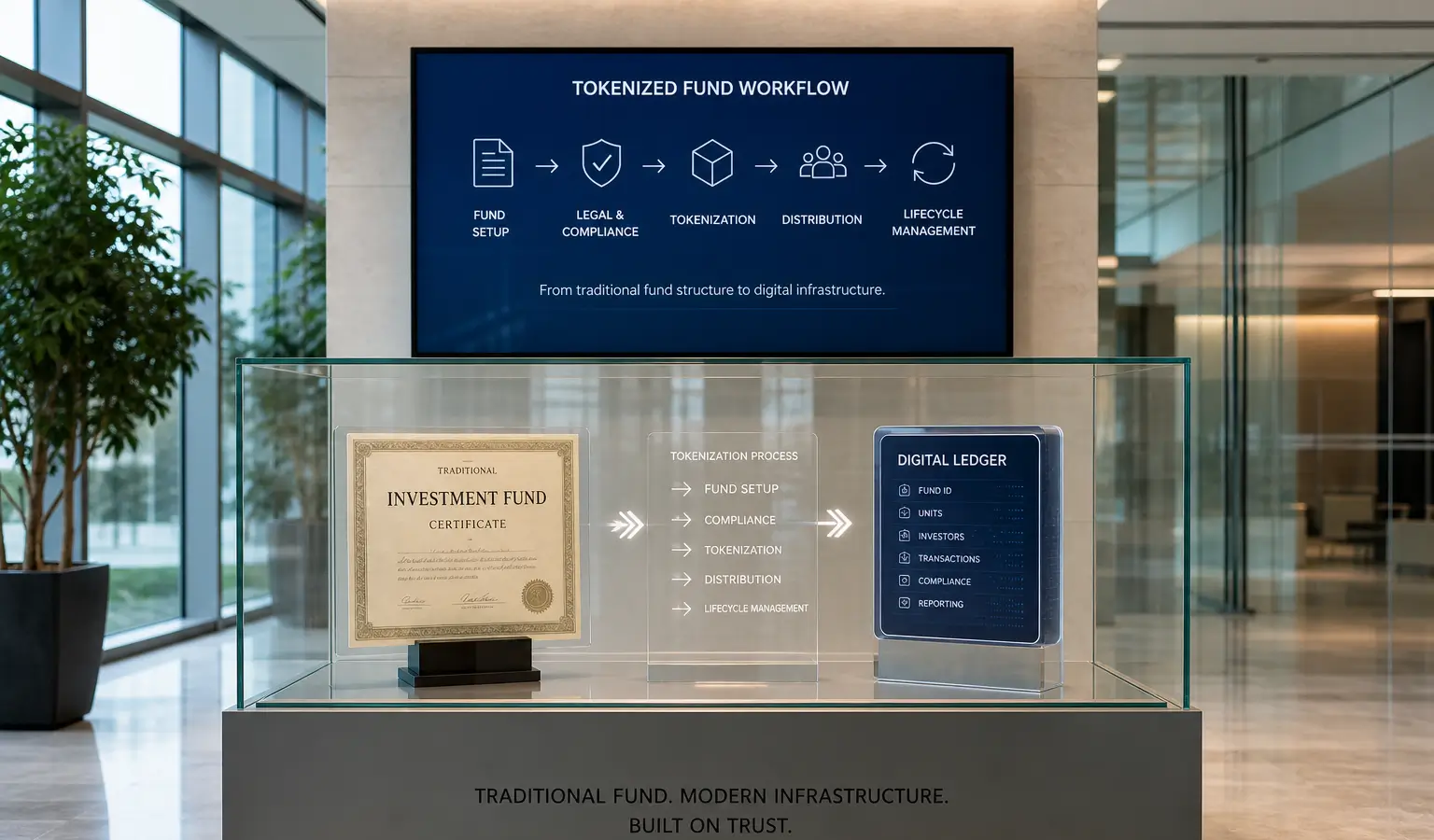
- Aviva Investors wants to bring traditional funds onchain through XRPL, which Ripple sees as an important sign for institutional use.
- Ripple is laying out ambitious goals for 2026, while the exact live date and volumes of the Aviva partnership have not yet been confirmed publicly.
Ripple President Monica Long says 2026 could be the year institutional adoption finally starts to scale on the XRP Ledger. That outlook is tied to the partnership with Aviva Investors, which plans to bring traditional funds onchain through XRPL. The bigger question, though, is how much of that vision turns into live activity this year and how much remains in the announcement phase.
Aviva Gets XRPL Moving
Aviva Investors, the asset management arm of insurer Aviva plc, is being held up by Ripple as evidence that traditional finance is moving past the experimentation stage. Markus Infanger, SVP at RippleX, described the development as a point where institutional players are no longer just testing the waters, but actually moving onchain.
That lines up with the broader momentum around tokenized finance. Over the past few quarters, the XRP Ledger has drawn more attention from firms exploring tokenized funds, settlement, and other investment products built on blockchain infrastructure. For Ripple, the Aviva deal stands out because it is not a small pilot, but a partnership with real scale in European asset management. The recent MiCA registration in Luxembourg also gives these institutional moves in Europe a clearer regulatory backdrop.
Ripple Sets Bold Goals
At XRP Community Day, Long laid out a few concrete targets. By the end of 2026, she said 50 percent of Fortune 500 companies should have a formal digital asset strategy or hold crypto on their balance sheet. She also said 5 to 10 percent of capital markets settlement should happen onchain through custodian banks and clearinghouses.
Other Ripple executives have pointed to a similar future. CEO Brad Garlinghouse previously said 2026 could be the best year ever for crypto markets, helped by regulatory clarity and institutional capital. Managing Director Reece Merrick said that by year-end, every major bank, asset manager, and payments network would have meaningful exposure to digital assets. CTO Emeritus David Schwartz has also framed the shift as one from experimentation to operational infrastructure.
Those comments are closely tied to Ripple’s own business case. The company is presenting the Aviva deal as proof that the market is moving beyond pilots, but the exact live date and volumes have not yet been confirmed publicly.
Why This Matters for Europe
For European crypto readers, the key point is that Ripple has already received MiCA approval, which gives the company a stronger regulatory footing in Europe. That makes it easier to frame the move from testing to production within a legal structure that institutional players actually care about.
Aviva’s size makes that even more relevant. The asset manager oversees more than $500 billion (€433 billion), putting it among Europe’s largest investment managers. If a firm of that scale starts tokenizing funds on XRPL, it could become a useful benchmark for how quickly institutional adoption is moving in practice.
XRP and the Market Context
XRP is trading around $1.07 (€0.93), well below the levels often associated with earlier adoption waves. Even so, market data suggests interest in the ecosystem is still building. According to recent figures, inflows into spot XRP ETFs have topped $1.23 billion (€1.1 billion) since launch in November 2025.
Beyond Ripple itself, some companies are also holding XRP as a reserve asset, including Evernorth, Webus, and VivoPower. Meanwhile, the value of real-world assets on the XRP Ledger rose 124 percent quarter over quarter in Q1 2026 to $2.25 billion (€2 billion), while RLUSD increased 45 percent. None of that guarantees price performance, but it does show that XRPL’s infrastructure is becoming more visible to institutional players.