Robinhood Will Soon Let AI Agents Trade Crypto for Customers
Robinhood is expanding Agentic Trading from stocks into crypto through a separate account for U.S. customers. The move comes as concerns grow in Washington about oversight of AI-driven trading.
Key Takeaways
- Robinhood wants U.S. customers to trade crypto through an AI agent using a separate account.
- The Agentic Trading product is expanding from stocks to crypto, with real-time profit and loss tracking and push notifications.
- Regulators and politicians are watching the development closely because of possible risks to market volatility and liability.
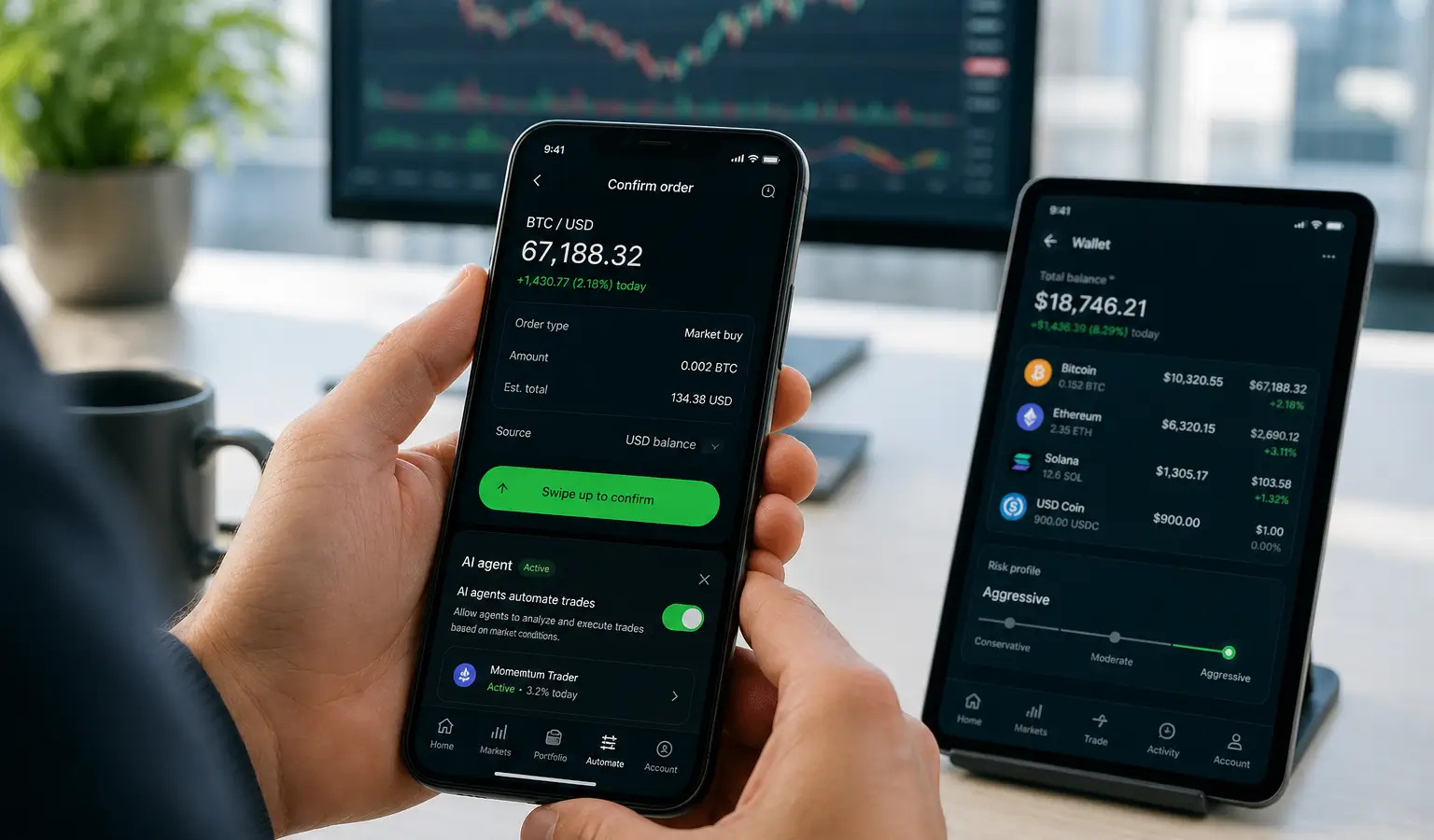
Robinhood is preparing to let U.S. customers trade crypto with an AI agent through a separate account. In practice, that means the broker is taking its new Agentic Trading product beyond stocks and into crypto. It also shows how quickly automated trading tools are moving into retail investing platforms.
From Stocks to Crypto
Robinhood introduced Agentic Trading on May 27, starting in beta and limited to stocks. Even then, the company said crypto, event contracts, and futures would be added later. That rollout is now moving forward, with connected agents getting the same real-time profit and loss tracking and push notifications already built into the stock version.
Customers have to open a separate account and add their own funds. The agent can only use that balance, and users can disconnect it whenever they want. Robinhood said the setup runs through its Model Context Protocol servers.
Early demand appears to be solid. During the presentation, a Robinhood executive said more than 70,000 agentic accounts were opened in the first few weeks. She described the product as the next step in giving retail investors access to tools institutions have used for years.
Oversight Is Watching
Robinhood is not the only company moving in this direction. Coinbase launched Coinbase for Agents in June, allowing users to connect agents for trading, payments, and other automated tasks. AI agents have also started appearing through tokenized stocks, including on Virtuals.
Regulators and lawmakers are paying attention, too. In June, Democrats on the House Financial Services Committee sent the SEC 13 questions about agentic trading and asked for responses by July 31. Representatives Bill Foster and Brad Sherman also warned that agents trained on similar data could start mirroring each other and potentially add to market volatility.
Why This Matters
For European crypto readers, the bigger story is how much thinner the line is getting between traditional brokerage services and crypto. If AI agents become a more common way to trade, that raises fresh questions about liability, risk controls, and how current rules should apply to these systems. It could also shape how companies build or offer similar products in other markets.