Robinhood Engineers Charged in Hyperliquid Insider Trading Case
Prosecutors say the two traded futures on tokens Robinhood Crypto planned to list before the public announcement. The case also touches on oversight of decentralized derivatives and the CFTC.

Key Takeaways
- Two Robinhood engineers have been charged over alleged insider trading around Hyperliquid futures and upcoming token listings.
- Prosecutors say Hefu Chai and Huaisong Xiang traded on inside information and made more than $50,000 combined.
- Hyperliquid denies staff involvement; the case matters for oversight of perpetual futures and crypto derivatives.
Two Robinhood engineers were charged on Tuesday in an insider trading case involving Hyperliquid. According to prosecutors, Hefu Chai and Huaisong Xiang bought futures on tokens before Robinhood Crypto publicly announced those new listings.
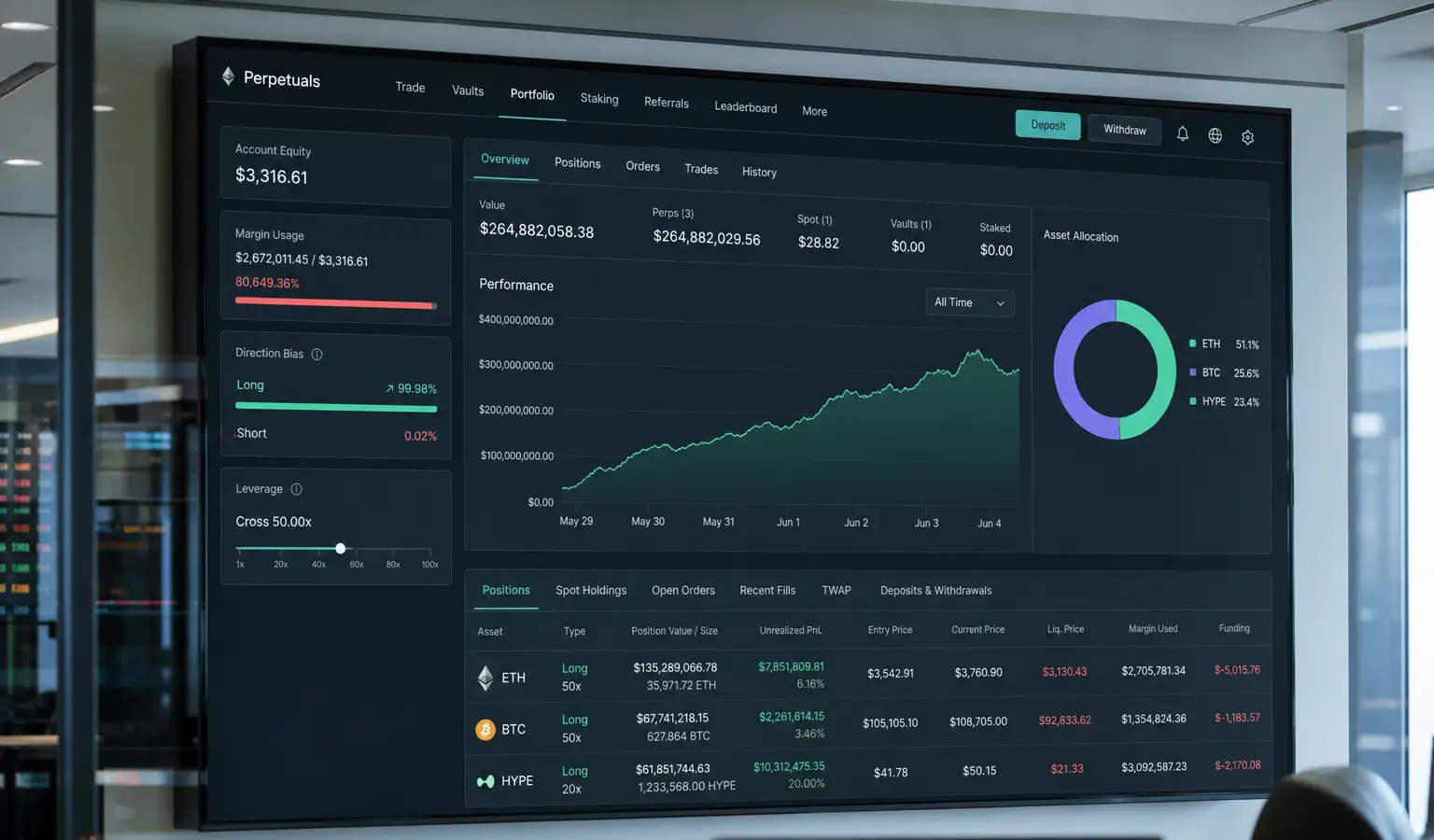
The case centers on trading in perpetual futures on Hyperliquid, a decentralized exchange where positions do not expire. That means traders can hold a position indefinitely, as long as they meet the market’s requirements. The U.S. prosecutors say the two traded with inside information between 2025 and 2026 about which tokens Robinhood planned to list.
What the Indictment Says
Chai, 36, and Xiang, 30, are each accused of one violation of the Commodity Exchange Act and one count of wire fraud. According to prosecutors, they each made more than $50,000 (€43,300). U.S. Attorney Jamie McDonald said that using confidential information to trade derivatives for personal gain is illegal.
The core of the case is simple: when a major broker lists a token, interest often jumps quickly. By getting ahead of that move with futures, prosecutors say the defendants were able to profit from a price move that was not yet public.
Hyperliquid Under Scrutiny
Hyperliquid already faced similar accusations in December 2025. At the time, traders pointed to a wallet that shorted HYPE during a token unlock. Hyperliquid denied then that staff were involved in insider trading and said the wallet belonged to a former employee who was fired in early 2024. The company also said team members are not allowed to trade HYPE derivatives.
The HYPE token traded around $77 (€67) on Tuesday, down 4.5% in 24 hours. That keeps the token among the bigger names in the decentralized derivatives market, with a market value of about $17.1 billion (€14.8 billion).
Why This Matters
The case is also relevant for European crypto followers because perpetual futures make up a major part of trading on decentralized exchanges. The CFTC has long been focused on oversight of crypto markets, especially where derivatives and leveraged trading are central. For firms like Robinhood, which is expanding its crypto business with perpetual futures in Europe, this shows how sensitive information about listings and trading products can be.