Second Circuit Finalizes SBF Appeal
The U.S. appeals court has now made the fraud and money laundering conviction tied to FTX final. Only a possible move to the Supreme Court could still change that.
Key Takeaways
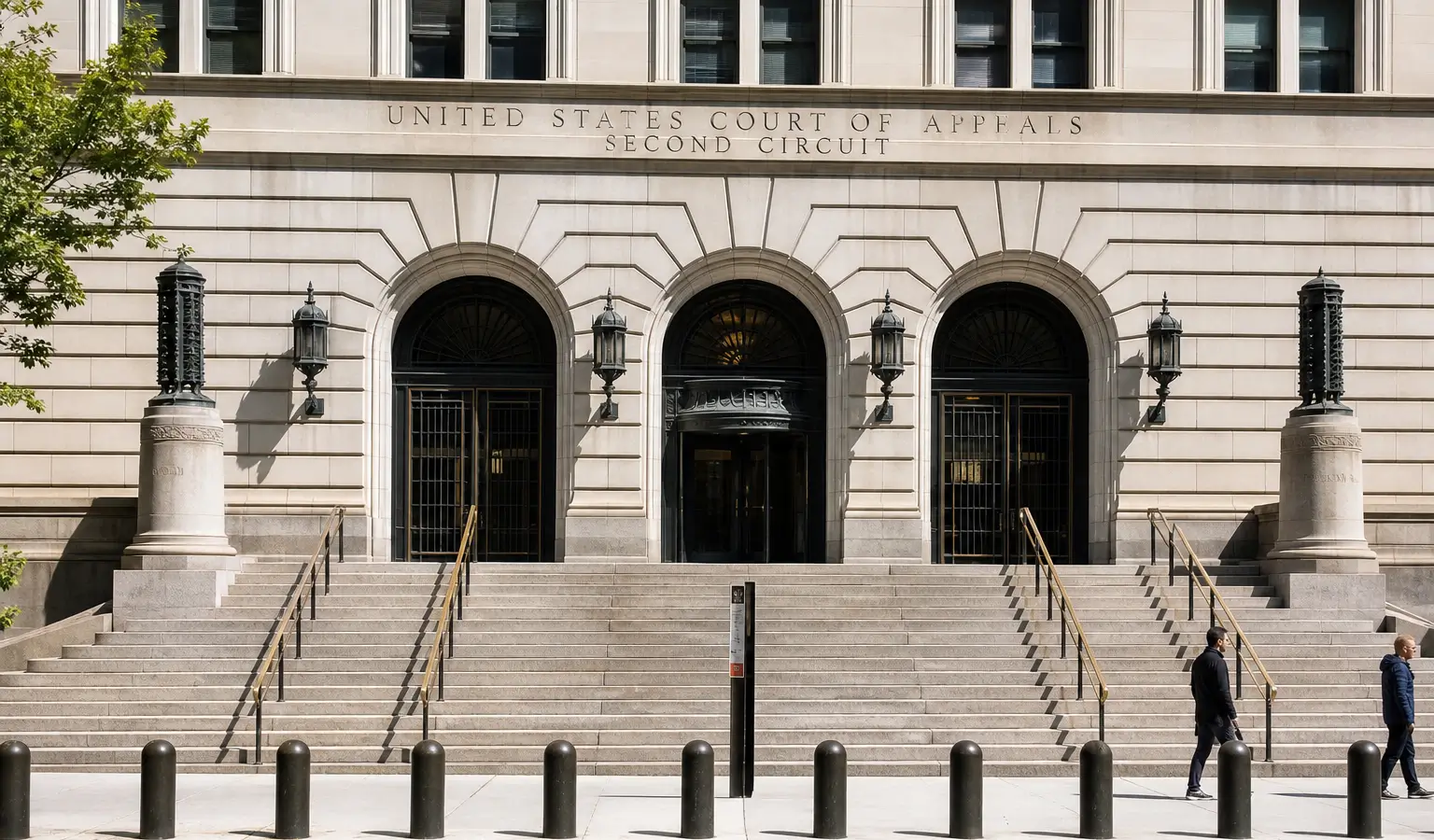
- The U.S. Court of Appeals for the Second Circuit issued the judgment mandate in Sam Bankman-Fried's case on August 4, 2026.
- That formally closes his appeal and leaves the FTX fraud conviction and 25-year prison sentence in place.
- The case still matters for the crypto sector because of its impact on oversight, governance, and the use of customer funds.
The U.S. Court of Appeals for the Second Circuit issued the official judgment mandate in Sam Bankman-Fried's case on August 4, 2026. That move officially ends his appeal and keeps the June 12 ruling intact, including the conviction for fraud tied to FTX and the 25-year prison sentence.
Final Legal Step
The mandate is procedural, but it matters. It turns the earlier ruling into a final decision within the circuit. For Bankman-Fried, that means the criminal judgment now stands unless the case goes to the U.S. Supreme Court.
The case stems from the collapse of FTX, one of the biggest scandals in crypto history. Bankman-Fried was convicted in November 2023 on seven counts, including fraud and money laundering, after misusing billions of dollars belonging to customers and investors. When FTX collapsed in November 2022, at least $8 billion (€6.9 billion) in customer funds was lost.
Why This Still Matters
For crypto investors and companies, the case is still a major reference point. It shows how quickly regulators and courts can move when customer funds are mishandled. Before it failed, FTX was one of the most recognizable names in crypto, with a global footprint and more than 130 international affiliates, so the fallout and reputational damage stretched well beyond the U.S.
The case also drew intense media coverage and became a key example in the debate over oversight, governance, and the role of major crypto exchanges. The SEC also previously said that FTX manipulated the price of its native token FTT, which has only sharpened scrutiny of internal controls and token design across the crypto market.
That broader enforcement backdrop also includes the case against Miles Guo, who was sentenced to 30 years in prison in the U.S. in a fraud case involving about $1 billion (€0.9 billion). Cases like these show that U.S. judges are still willing to hand down heavy sentences in major fraud prosecutions.