Senate Limits Trump’s Iran War Powers, Bitcoin Barely Moves
The Senate puts the brakes on Trump’s Iran powers, but Bitcoin stays almost completely unfazed. So what is actually driving the price?

Key Takeaways
- The U.S. Senate passed a resolution by a 50-48 vote that limits Trump’s war powers against Iran.
- Bitcoin stayed almost unchanged and traded around $62,667, despite the political impact of the vote.
- The BTC drop is mainly tied to ETF outflows and the Federal Reserve’s cautious interest rate policy.
The U.S. Senate took a historic step on Tuesday, narrowly passing a 50-48 resolution that limits former President Trump’s war powers against Iran. Even with the political impact of the vote, the price of Bitcoin (BTC) barely moved, which suggests the crypto market is reacting more to its own internal forces right now than to geopolitical developments.
Limits on War Powers and Market Reaction
The passed War Powers Resolution is the first of its kind to clear both chambers of the U.S. Congress. The resolution, which builds on the War Powers Act of 1973, is meant to limit the president’s ability to deploy military force without Congress’s approval. Although four Republicans joined Democrats in voting yes, it is still a concurrent resolution that is not sent to the president for signature and therefore has no legal force.
The vote comes after an earlier ceasefire between the U.S. and Iran, which already helped stabilize oil prices and reopen the Strait of Hormuz. Stocks and oil prices had already reacted to that news, so the Senate vote had only a limited effect on financial markets. The S&P 500 barely moved, while oil ticked higher after earlier losses.
Bitcoin’s Price Is Following Its Own Pattern
Bitcoin traded around $62,667 on Wednesday, down about 2.5% over 24 hours. That move is mostly being linked to crypto-specific factors, including a record 13 straight days of roughly $4.4 billion (€3.9 billion) in outflows from U.S. spot Bitcoin ETFs since the start of June. BlackRock’s IBIT fund, the biggest of its kind, had its worst week ever with nearly $980 million (€860 million) in outflows.
The Federal Reserve’s reluctance to cut interest rates is also adding pressure on Bitcoin. Right now, BTC is trading at about half of its record high of $126,000 (€110,600) in October. These developments show that Bitcoin is currently reacting more to liquidity and interest rate policy than to geopolitical events. The recent drop to $62,300 shows that the coin is mostly moving with broader risk sentiment and liquidations in the crypto market. This pattern is not new; during earlier conflicts, like Russia’s invasion of Ukraine in 2022, Bitcoin also temporarily fell along with the stock market instead of acting as a safe haven.
What This Means for European Crypto Investors
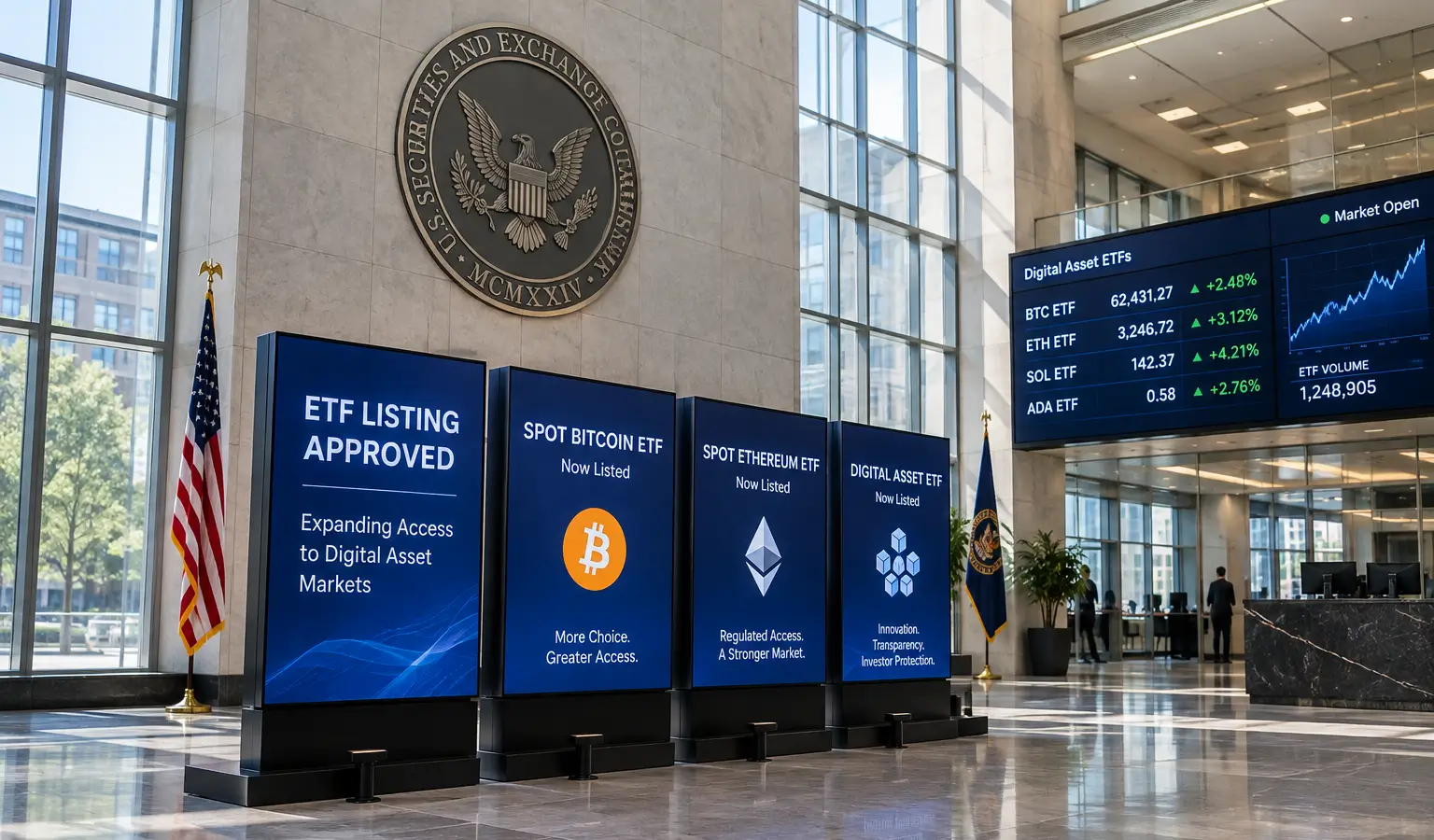
For European investors, this situation may be a sign that Bitcoin and similar crypto assets are becoming more integrated into the broader financial markets. The recent approval of Bitcoin spot ETFs in the U.S. has led to a stronger correlation between Bitcoin and traditional stock indexes like the S&P 500. As a result, geopolitical events may have less direct impact on crypto prices than before, while macroeconomic factors and institutional investors play a bigger role.
That means European crypto investors should keep a close eye on developments in U.S. financial regulation and interest rate policy, since those factors are likely to affect Bitcoin and related ETF price moves more than political tensions like the one between the U.S. and Iran.