How Many Bitcoins Have Been Lost So Far?
Lost your private keys? Then your Bitcoins are probably gone.

Lost your private keys? Then your Bitcoins are probably gone. How many Bitcoins disappear each year, anyway? More than you think.
The history of Bitcoin literally starts with coins that couldn’t be moved. The Genesis block, which saw the light of the digital world in January 2009, contained 50 BTC that could only be moved again in 2022.
There have also been many Bitcoins lost. A few years later, a crypto-GAU would hit Mt. Gox, the world’s first Bitcoin exchange. 850,000 Bitcoin were lost in a suspected hack. Investors have no idea where their bitcoins are and will (likely) never find out.
But aside from these hacks, it keeps happening that investors lose, misplace, or simply don’t note their private keys. James Howells also became famous for this when he discarded a hard drive during a 2013 cleanup. The contents: 8,000 Bitcoin.
And apparently he wasn’t the only one. According to Chainalysis data, we’ll see about 1.46 million BTC that are likely permanently lost in 2023. Analysts call these "zombiecoins".
Where Have All Those Bitcoins Gone?
All those coins aren’t really lost, they’re just stuck on the blockchain. Unless the individual somehow finds their private keys again or a future super-AI guesses the private keys via brute-force, it looks grim.
This quick tour through the land of lost coins once again demonstrates: not your keys, not your coins. Whether an exchange gets hacked or you lose your keys, the principle remains: In the Bitcoin network, everyone is responsible for the security of their own holdings.
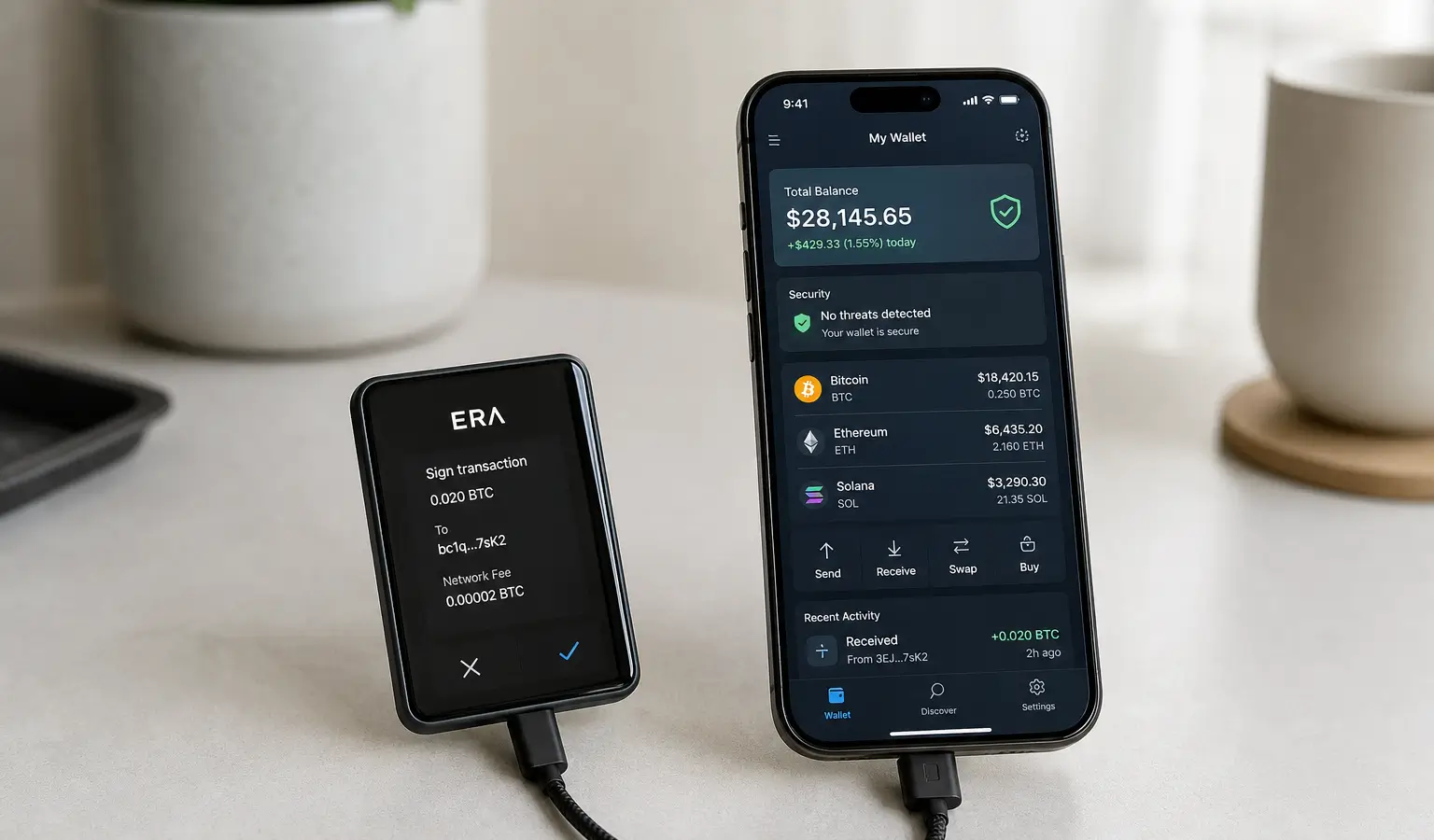
And to keep security at the highest possible level, it’s wise to store your keys in a cold wallet. These are USB-like devices that typically come with multiple security procedures at multiple levels. This is how you protect your coins.