South Africa Wants Tighter Controls on Crypto Transfers
Treasury and the SARB want individuals and businesses to comply more closely with capital controls, even as stablecoin flows and crypto activity surged.
Key Takeaways
- South Africa’s crypto market grew 52% in the year through June 2026 to $39.3 billion, despite a global bear market.
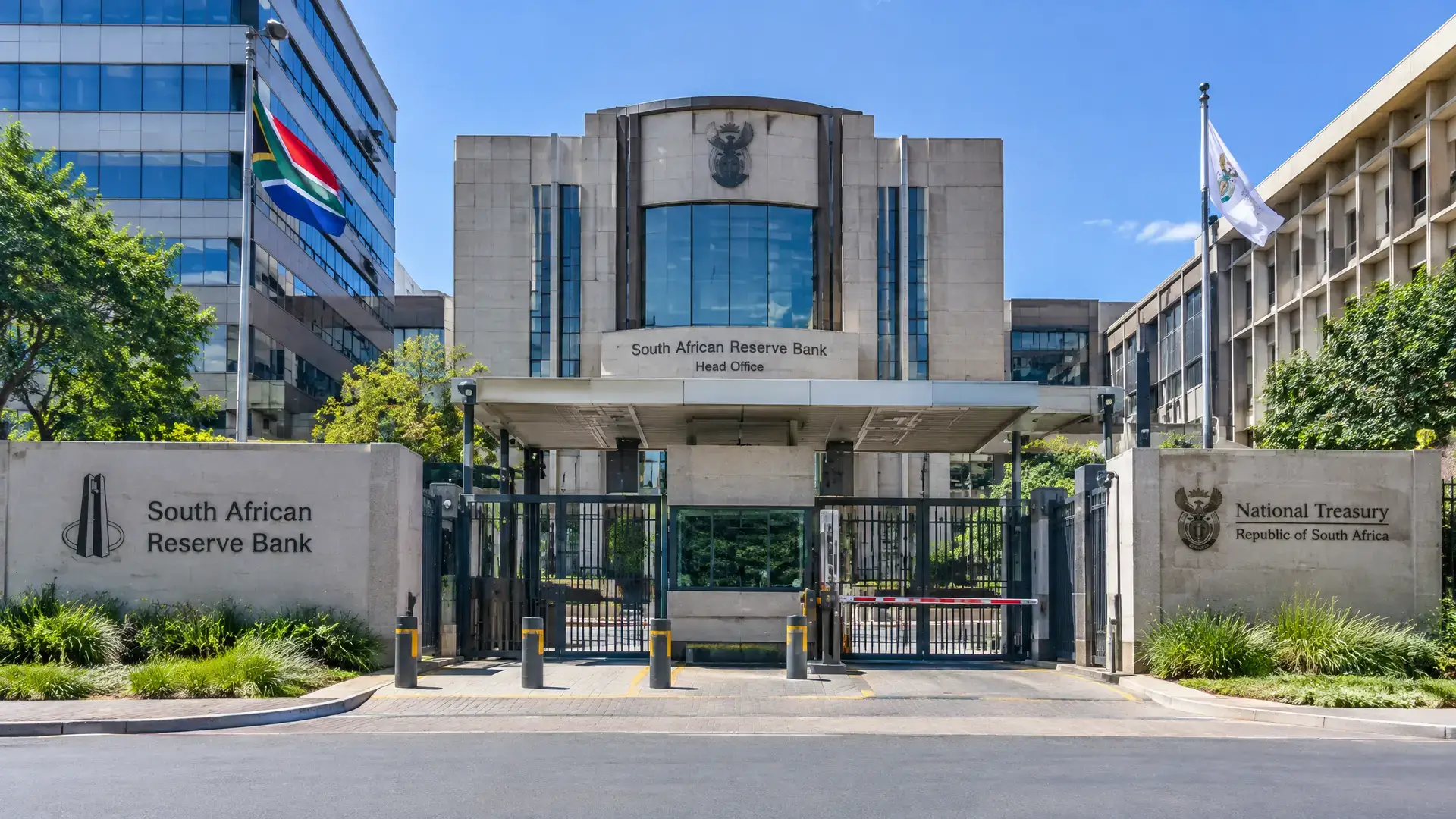
- Treasury and the South African Reserve Bank are working on stricter rules for cross-border crypto transfers through a draft crypto manual.
- According to Chainalysis, the new rules could also affect regional crypto flows, since South Africa acts as a crypto hub in Africa.
South Africa’s crypto market grew 52% in the year through June 2026 to $39.3 billion (€35.3 billion). At the same time, the government is working on stricter rules for cross-border crypto transfers. That makes the country stand out: the market grew fast in a global bear market, while access to international flows could soon be more tightly defined.
Growth Despite Bear Market
According to Chainalysis, every activity category the company tracked in South Africa increased. Cross-border stablecoin transfers and crypto service flows drove the growth, while stablecoins in P2P channels in Sub-Saharan Africa are now at the same level as Bitcoin. Stablecoin inflows came to $14.6 billion (€13.1 billion) in 2026, equal to BTC.
Business-like payments also showed strong growth. That category reached $8.34 billion (€7.5 billion) over the past 12 months and kept rising every quarter. The latest quarter was more than $1 billion (€0.9 billion) above the first quarter. That category includes both P2P traders and merchants. Inflows to institutional activity came to $1.29 billion (€1.2 billion).
New Rules for Cross-Border Activity
Treasury and the South African Reserve Bank published a draft crypto manual for cross-border activity on August 3. Under it, individuals would only be allowed to send crypto offshore through authorized local providers and within their existing foreign allowance. Businesses would not be allowed to move crypto across borders at all without separate SARB approval.
The Financial Sector Conduct Authority had licensed 310 crypto asset service providers by the end of March, but under the draft, that license would not be enough for cross-border work. Providers would then need extra SARB approval under a three-tier system that is not yet in force. The industry raised concerns about extra compliance and operational burdens, while the government is also looking at how the rules fit with existing capital flow controls.
Why This Matters Regionally
According to Chainalysis, South Africa also acts as a regional crypto hub. Payment flows to Nigeria, Kenya, the DRC, Tanzania, Namibia, and Zimbabwe overlap with the country’s broader investment ties. So if the new rules get tighter, they could affect not just local users, but also how crypto moves across borders in the region.
The timing matters even more because South Africa in October 2025 came off the gray list for money laundering risks. The government has not set a date for a second draft version yet, but Finance Minister Enoch Godongwana said on October 21 that Treasury does want to publish one after thousands of responses from the market.