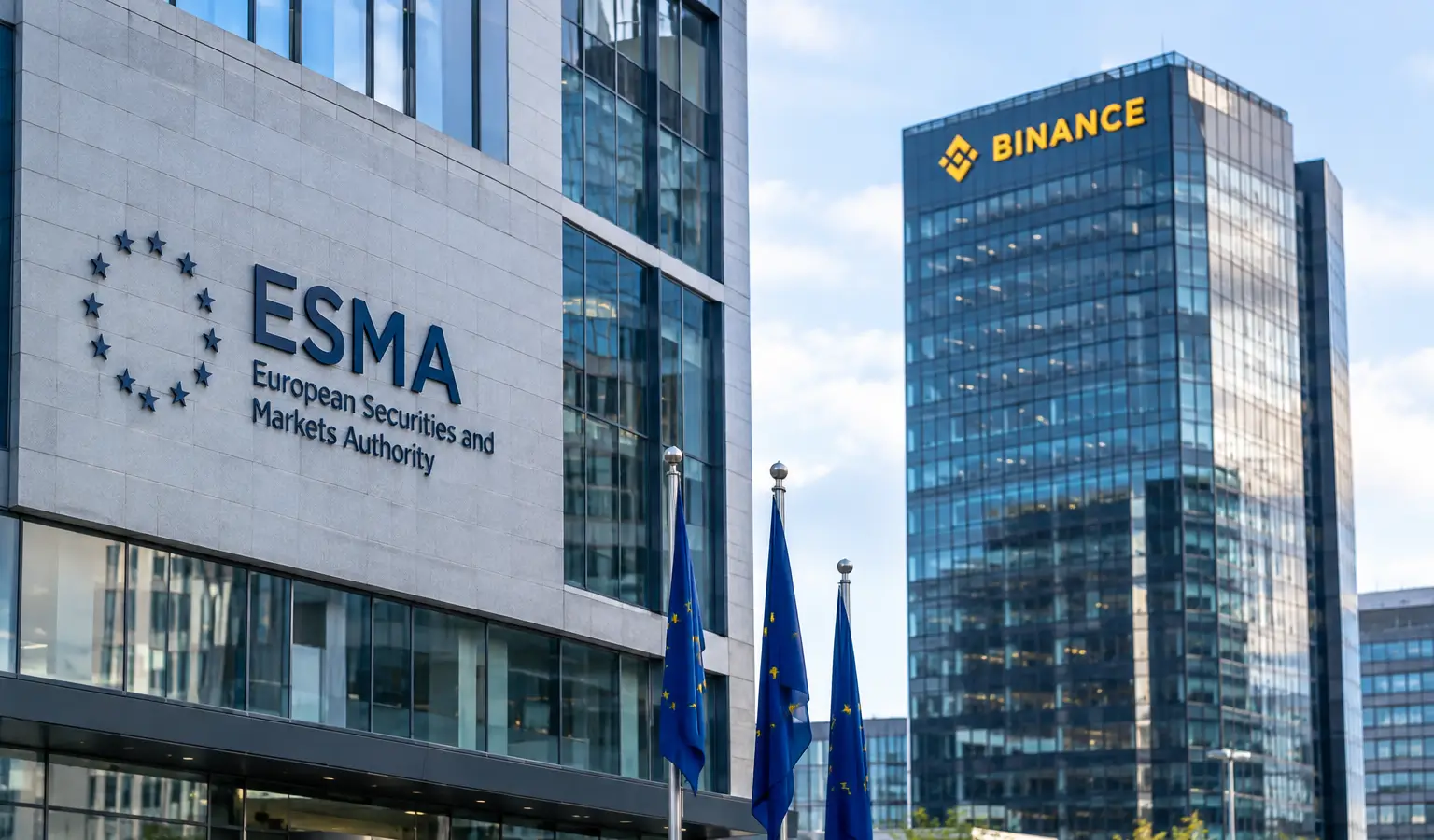
Spain Keeps Strict MiCA Deadline in Place for Binance and Other Crypto Exchanges
The CNMV says exchanges without a license must stop operating in the EU by July 1. Binance previously withdrew its Greek application, while MiCA continues to shake up the market.
Key Takeaways
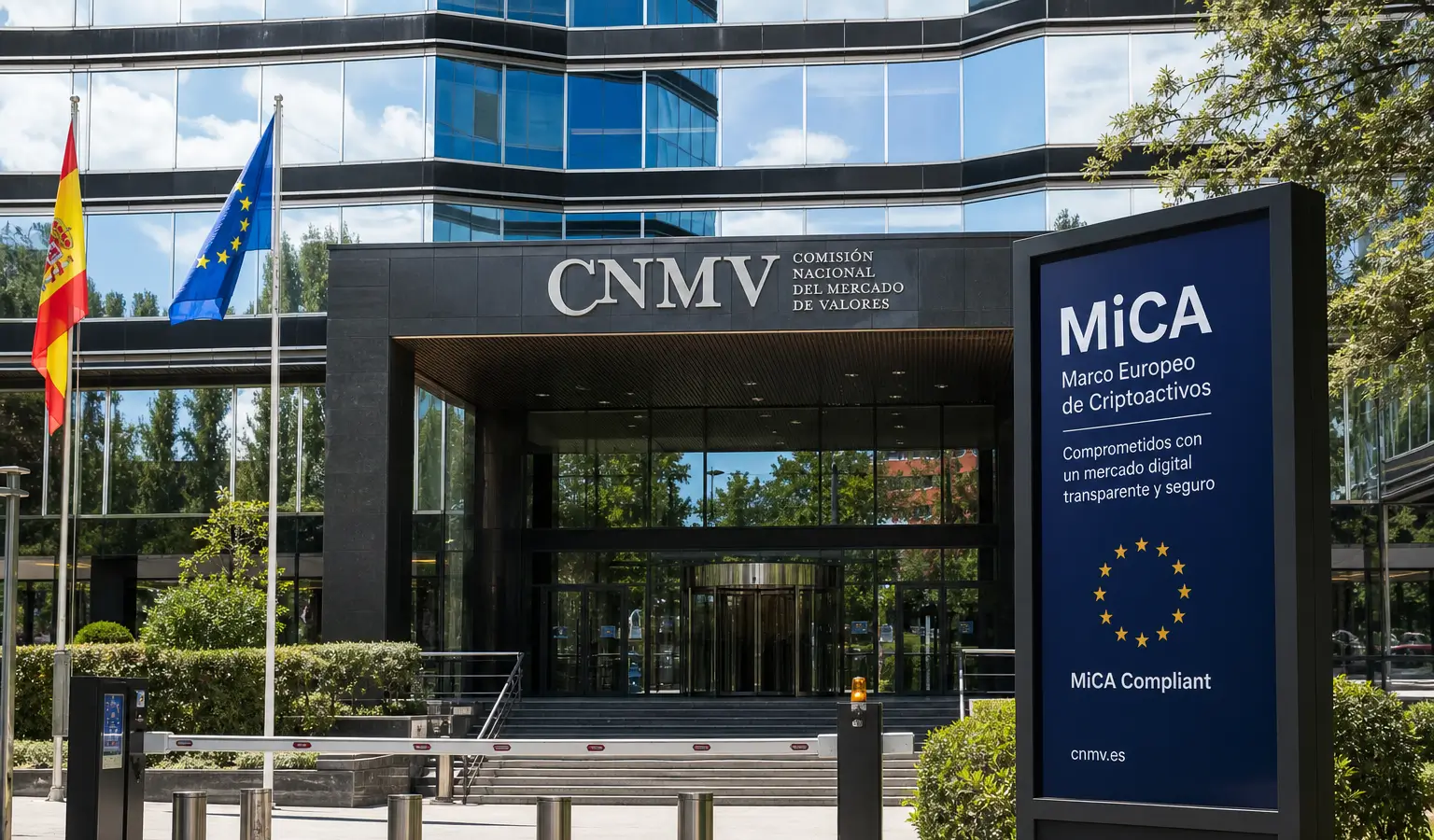
- Spain says crypto companies without a MiCA license will not get any extensions or exceptions before July 1.
- CNMV Chair Carlos San Basilio does want to work on an orderly wind-down and protect customer interests.
- MiCA is forcing exchanges to meet higher compliance standards, which could hit smaller players and further consolidate the European market.
Spain is drawing a hard line ahead of the MiCA deadline on July 1, saying crypto firms that have not secured a license will not get extra time or special treatment. The Spanish regulator CNMV is putting platforms like Binance and other crypto exchanges on notice: meet the new European regulation requirements or stop serving customers in the EU.
Strict Enforcement of MiCA Rules
CNMV Chair Carlos San Basilio said firms without MiCA authorization should not expect any exceptions. Even so, the regulator is still working with affected companies to make sure any exit happens in an orderly way and that customer interests are protected during the transition. The warning comes after Binance pulled its MiCA license application in Greece and said it plans to pursue authorization elsewhere in the EU. In the meantime, customers in countries including Poland, Italy, Spain, and France have been told to withdraw their funds.
Crypto Industry Reactions to MiCA
The MiCA rollout is splitting opinion across the crypto industry. Binance founder Changpeng Zhao said he was disappointed to lose access to what he called "the best liquidity in the world," and argued that liquidity is a key part of consumer protection. By contrast, OKX CEO Star Xu Zhao took aim at Binance, accusing the exchange of violating laws and regulations. Other platforms, including Kraken, have welcomed the new framework, saying MiCA creates a single rulebook and passport across 30 countries, which should give users more clarity and security.
MiCA's Impact on the European Crypto Market
MiCA sets out one unified regulatory framework across the EU, with tough rules around governance, capital, and transparency. For crypto companies, that means serious spending on compliance and the systems needed to support it. Smaller exchanges are likely to feel the strain first, raising the odds of consolidation or a pullback from the European market. And because the rules also emphasize ongoing supervision and market integrity, exchanges will need strong data systems to track and report activity properly.
For Dutch and European crypto investors and users, these changes could shape how easily they can access exchanges in the EU and which platforms remain available. They also underscore why regulated venues that meet Europe’s new standards may become more important, especially if users want more safety and transparency.