Stolen iPhone in London Leads to $14,000 Crypto Loss
The theft gave criminals access to MetaMask, Bybit, and banking apps, and also led to unauthorized card payments and eToro positions.
Key Takeaways
- A stolen iPhone in London cost former crypto executive Magnus Ahmad about $14,000 in losses across crypto, card payments, and trading.
- Thieves gained access to his wallets, payment accounts, Uber account, and eToro within hours, where they opened leveraged positions.
- Ahmad warns crypto users to secure accounts right away, lock devices remotely, and notify banks and providers immediately.
A stolen iPhone in London led to about $14,000 in losses for former crypto executive Magnus Ahmad after thieves gained access within hours to his crypto wallets, trading accounts, and payment accounts. The case shows how quickly an ordinary street theft can turn into a broader security issue for crypto users.
How the Theft Unfolded
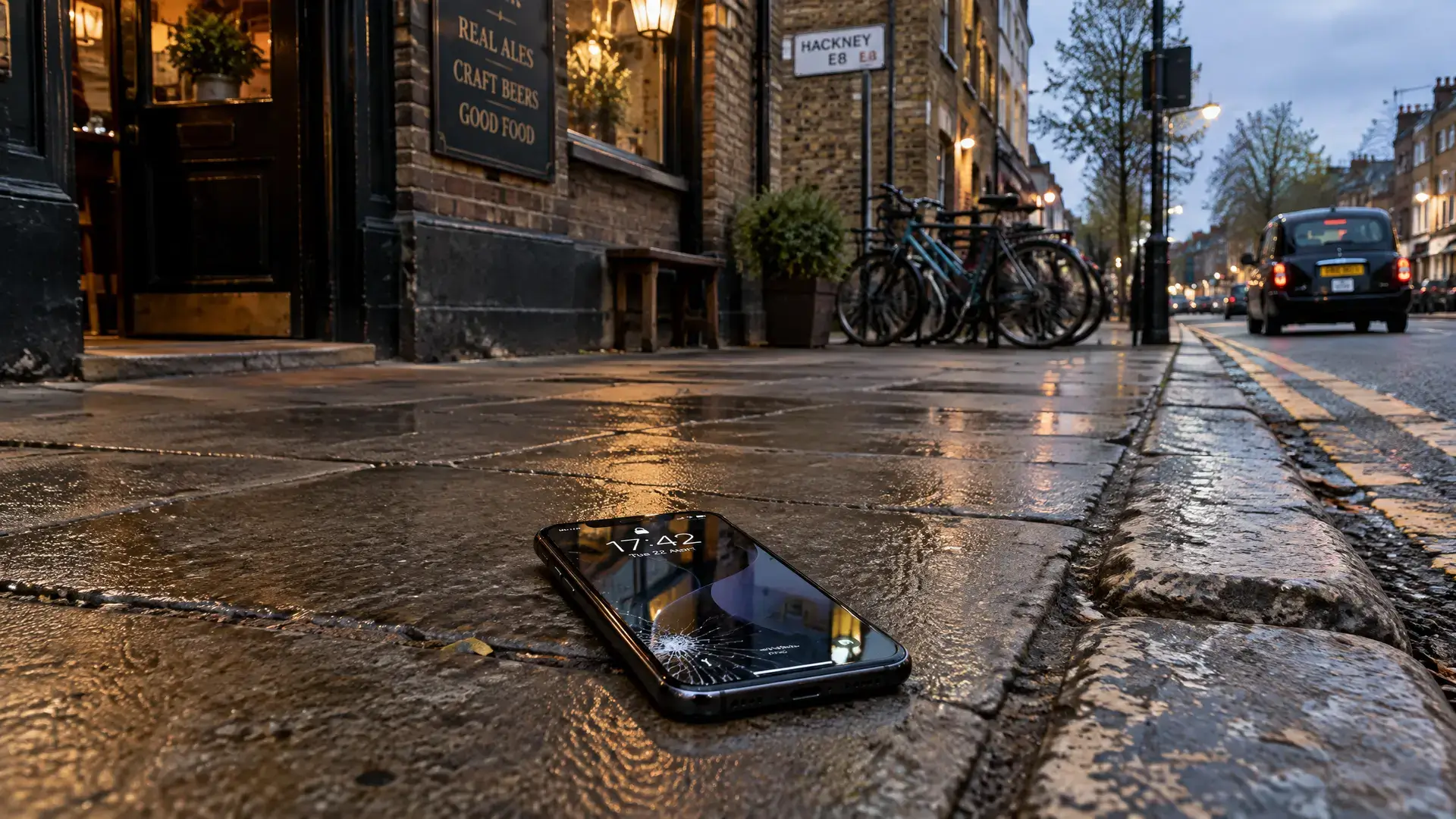
Ahmad had just arrived in London in early August and was out with old friends when he handed his unlocked iPhone to a stranger outside a bar in Hackney. He thought the man wanted to enter his number, but seconds later a second man grabbed the device and ran off. Ahmad chased after him, but later returned to the bar to have the police called.
According to his account, the damage started quickly. Around 1:53 a.m., crypto was moved out of his MetaMask wallet and converted. His Phantom and Bybit accounts were also accessed. Later, six unauthorized card payments followed, including purchases at Costcutter. In addition, the thieves got into his Uber account and his eToro account, where they opened leveraged crypto positions with exposure of nearly $44,000 (€39,400). That led to extra costs and losses.
Why This Matters for Crypto Users
Ahmad estimates his total losses at about $14,000 (€12,500), including around $9,500 (€8,500) in crypto, nearly $3,000 (€2,690) in unauthorized card transactions, and more than $800 (€716) in losses and fees through eToro. His larger bank balances and other crypto holdings stayed out of reach after he managed to block cards and recover some accounts.
The case fits into a broader wave of crypto-related thefts and scams. In 2026, more than $1.27 billion (€1.1 billion) had already been lost to crypto hacks and scams across 249 incidents, according to industry figures. That highlights how vulnerable a phone can be when it gives access to wallets, email, banking apps, and trading platforms.
Lesson for Mobile Security
Ahmad says that in hindsight, he mainly regrets chasing the thief instead of securing his accounts on another device right away. He advises crypto users to log into Apple or Google accounts immediately, lock the device remotely, and alert banks and mobile providers right away.
His experience also shows that a stolen phone can hold more than just the device itself. His iPhone contained photos of identity documents, which could later create extra risk of identity fraud. For crypto users, that is another reason to focus not just on the hardware, but especially on what a thief can access through that device. A data leak involving passports and Bitcoin data also showed how quickly identity information can turn into extra risks for crypto accounts.