
Storj Files for Chapter 11 as STORJ Holders Wait for the Outcome
Storj says the network will keep running, but the court still has to decide whether STORJ holders will get equity later or end up behind creditors.
Key Takeaways
- Storj has filed for Chapter 11 bankruptcy protection in the United States, while the network and the STORJ token keep running as usual.
- The company says token holders may get a stake in the restructured Storj, but the terms for that have not been set yet.
- In a Chapter 11 process, creditors come first, which means the outcome for STORJ holders is still uncertain.
Storj filed for Chapter 11 bankruptcy protection in the United States on Sunday. The company says the network and the STORJ token are still operating normally. For token holders, the main question is whether they will end up with a stake in the reorganized company or whether creditors will be paid first.
Why Storj Went to Court
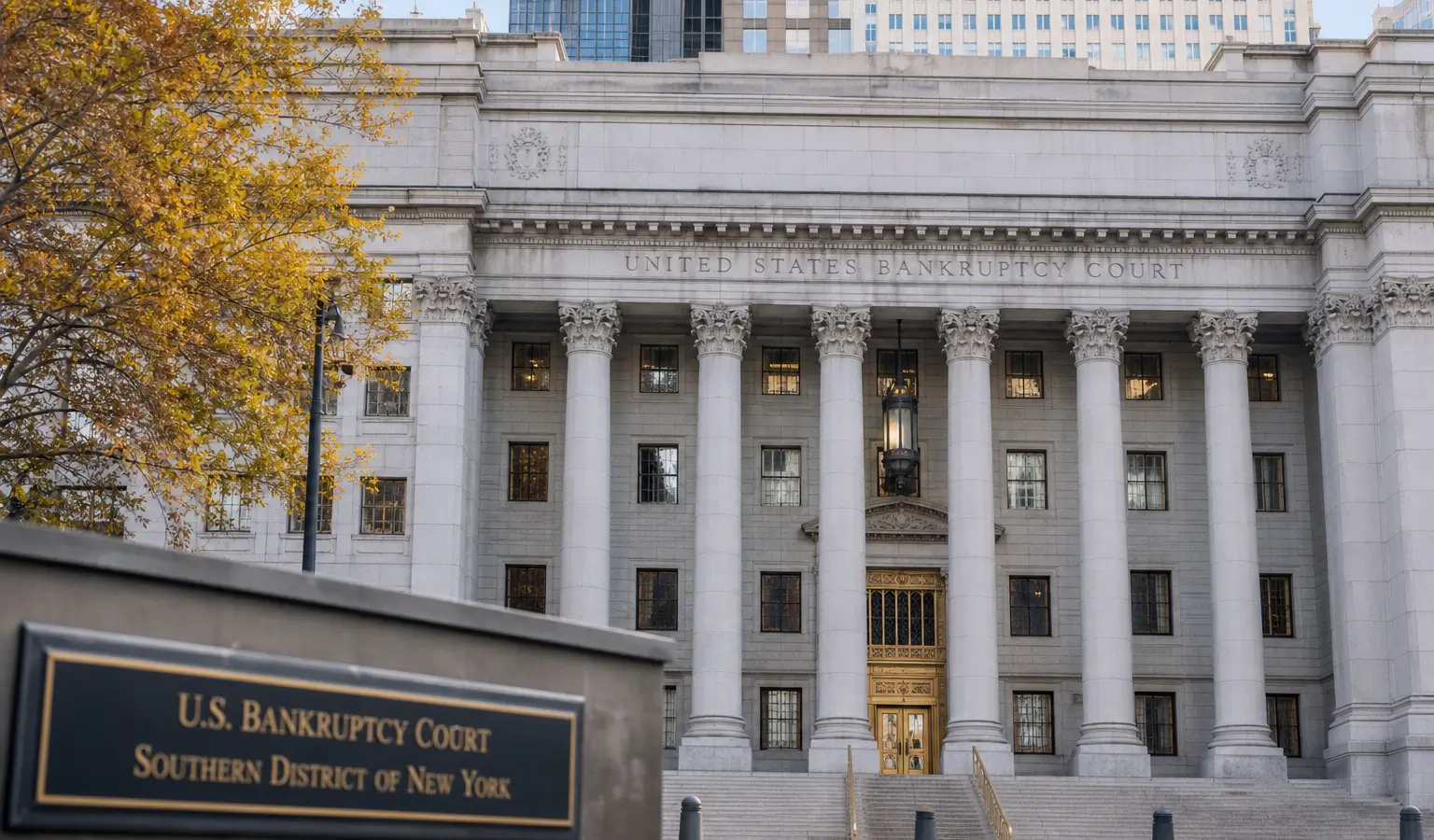
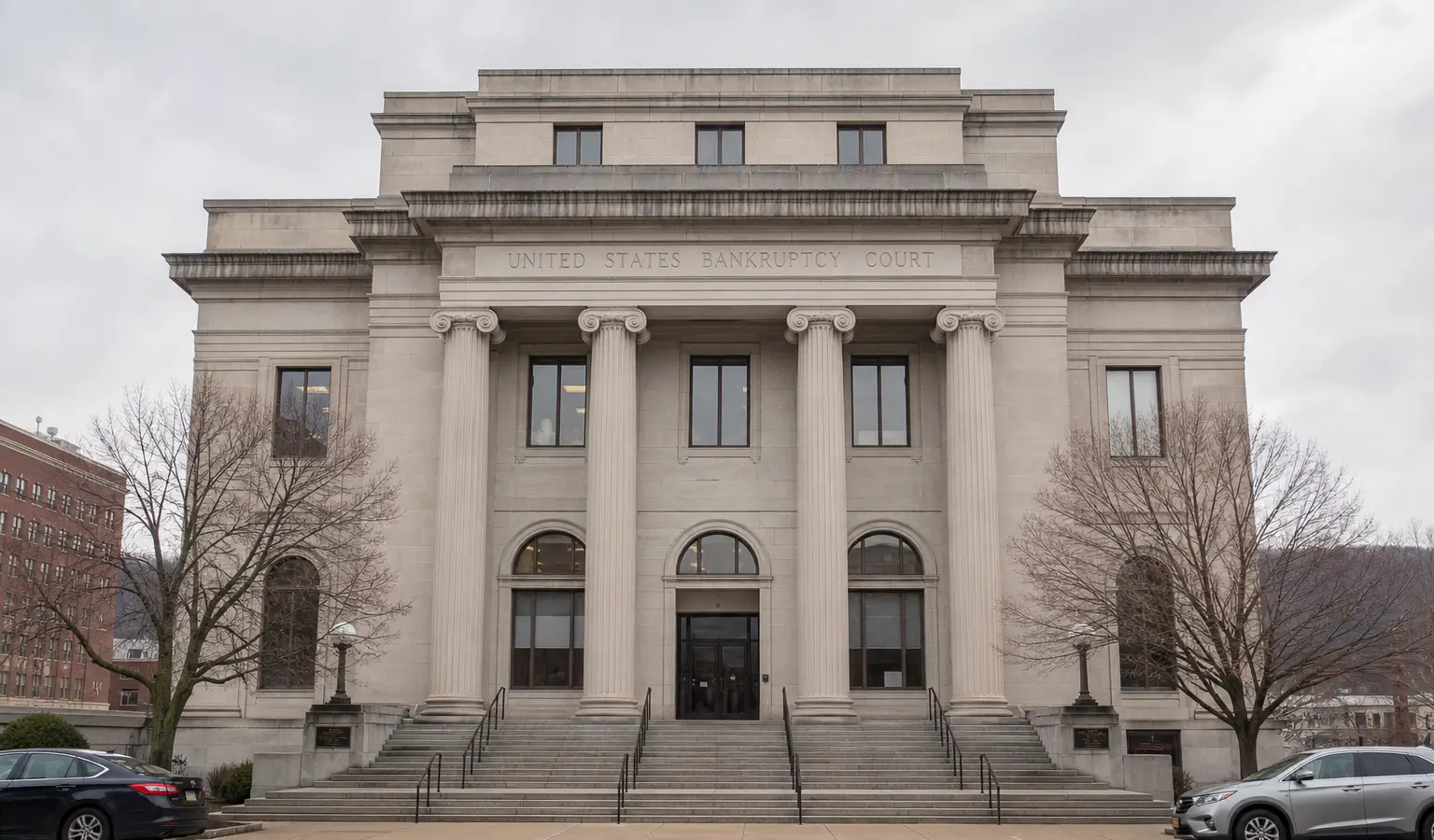
Storj Labs submitted the filing to a federal bankruptcy court in West Virginia under case number 5:26-bk-00512. Chapter 11 in the U.S. does not mean a company has to stop operating right away. Instead, it can keep running while the court works through the debt and restructuring process.
Storj says the filing is tied to old obligations from an earlier phase of the business. Kaloyan Raev, director of software engineering, said the core business is strong and well matched to its current scale, but that legacy liabilities from the company’s earlier days are slowing growth. He also signed the letter to token holders, rather than CEO Colby Winegar.
What STORJ Holders Know Now
Storj says the token itself is not changing for now. The network is still moving data across tens of thousands of storage locations in more than 100 countries. The company also says it wants to give token holders equity in the new Storj, but it has not yet defined the exact criteria for who would qualify.
That is where the uncertainty starts. In Chapter 11, creditors are paid before owners, so token holders are not at the front of the line. Storj says it can only point to its intention at this stage, not guarantee the result. That makes the legal process more important than the promise itself.
Why This Matters More Broadly
For European crypto readers, the case is a reminder of how quickly token structures can become complicated when a crypto company enters restructuring. In earlier U.S. bankruptcy cases, unsecured creditors, including token holders, sometimes recovered only a small portion of what they were owed. Treatment of digital assets also differs from case to case, which makes the outcome for STORJ holders difficult to predict.
The timing adds another layer of sensitivity. Inveniam Capital Partners said in October 2025 that it was acquiring Storj and said there would be no changes to contracts, pricing, or leadership. STORJ was trading around $0,1872 (€0.16) at the time and is now down about 60 percent. The token is currently trading around $0,0745 (€0,065), up 1.5 percent on the day, with volume of $5.6 million (€4.9 million) and a market cap of $10.7 million (€9.4 million).