Supreme Court Blocks Cook Firing, Bitcoin Under Pressure
The ruling keeps the Fed independent, while rate fears and outflows from Bitcoin ETFs add more pressure on BTC. For European investors too, the U.S. rate path remains the key factor.
Key Takeaways
- The U.S. Supreme Court has temporarily blocked President Trump from firing Fed Governor Lisa Cook.
- That keeps the Federal Reserve independent in the short term and makes a quick easing of interest rate policy less likely.
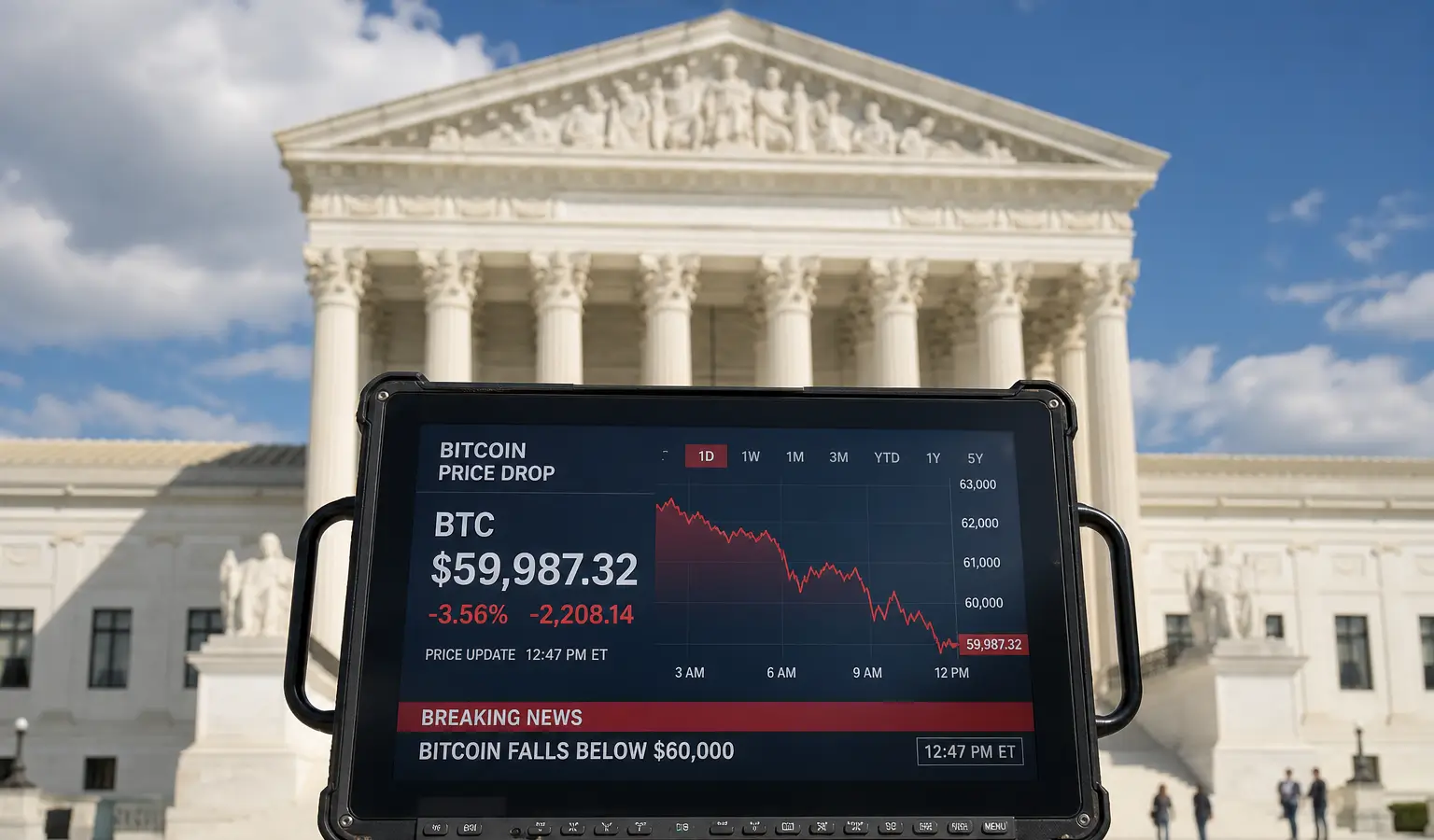
- Bitcoin is under pressure: the price fell below $60,000, while higher rates and outflows from Bitcoin ETFs make risk assets less attractive.
The U.S. Supreme Court ruled 5 to 4 on June 29 that President Donald Trump cannot temporarily fire Federal Reserve Governor Lisa Cook. For Bitcoin, that is a negative development: it suggests the Fed will stay on its current course for now, while higher rates typically weigh on risk assets that do not offer yield.
Fed Stays Out of Political Reach
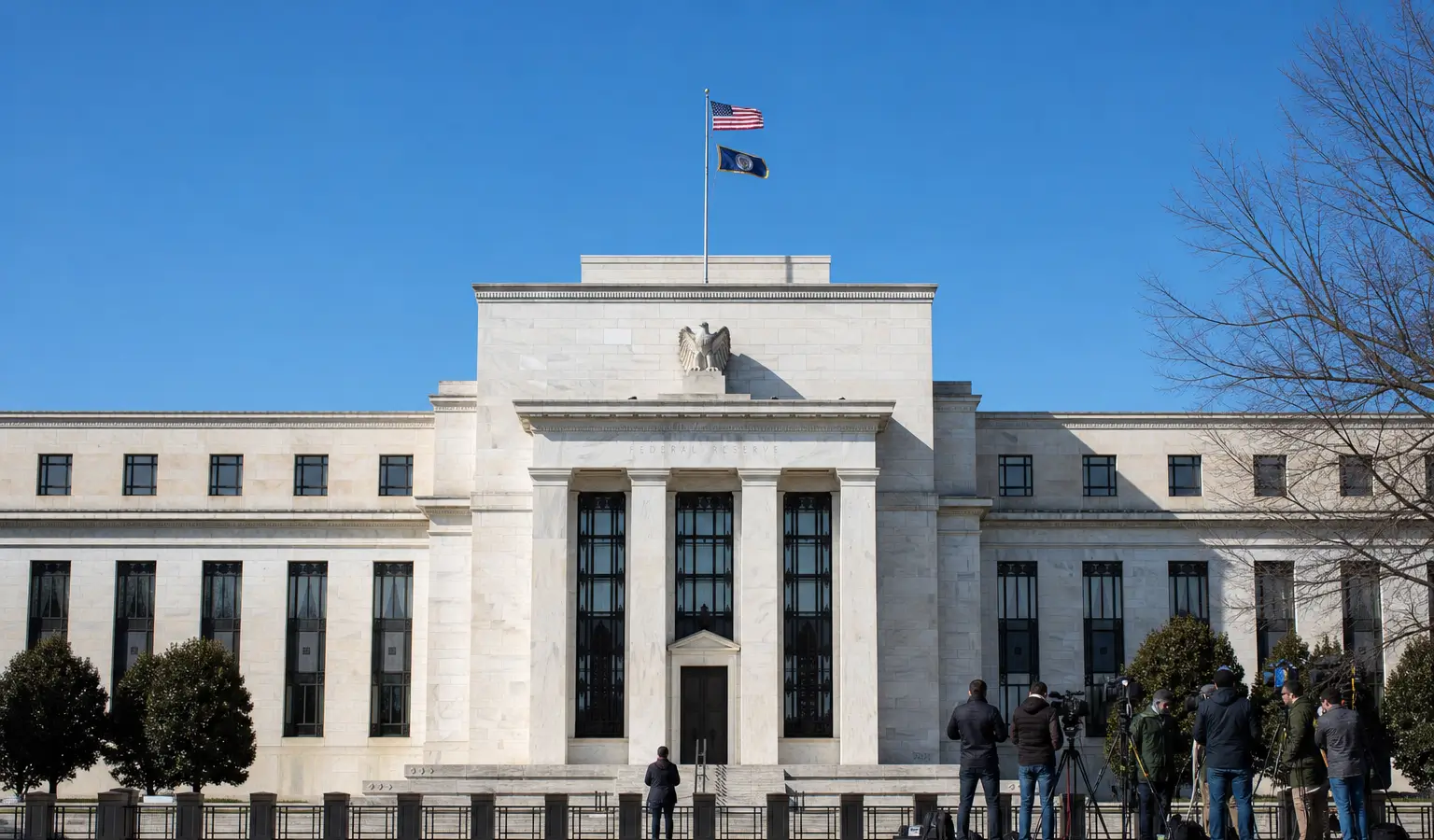
The decision helps protect the independence of the Federal Reserve at a moment when the crypto market was already preparing for a tougher rate backdrop. In practical terms, Trump cannot swap Cook out for someone who may have been more willing to support rate cuts. That makes a near-term shift toward a more dovish board less likely.
That independence is a big deal because it allows the central bank to focus on inflation and employment rather than political pressure. History shows why that matters: when the Fed has had less room to act freely, inflation has often proven harder to bring down. For crypto investors, the link is straightforward, since expectations for Fed policy feed directly into demand for Bitcoin and other higher-risk assets.
Bitcoin Feels the Rate Fears
The ruling comes at an awkward time for Bitcoin. In June, the Federal Open Market Committee fully removed expectations for rate cuts in 2026 and even brought rate hikes back into the discussion. At the same time, Bitcoin ETF outflows continued through June, as investors kept rotating away from assets that do not produce income.
Bitcoin dropped below $60,000 (€52,600) on Monday, leaving it more than 50 percent below its all-time high. The Supreme Court decision does not change the price action immediately, but it does take away one of the few short-term paths that could have led to a faster shift toward easier policy.
Why This Matters in Europe
For European crypto readers, this case is another reminder of how strongly U.S. political and monetary decisions still shape the market. The U.S. does more than set the tone for rates; it also influences sentiment around Bitcoin ETFs and broader risk-on flows. With the Fed still independent, rates may stay higher for longer than many investors expected, which puts macro headlines back at the center of crypto.
The mix of a restrictive Fed and ongoing outflows from Bitcoin ETFs shows how exposed the market remains to macro pressure. Unless those inflows improve, Bitcoin is likely to keep facing a difficult recovery path.