TeraWulf Signs $19 Billion AI Deal With Anthropic
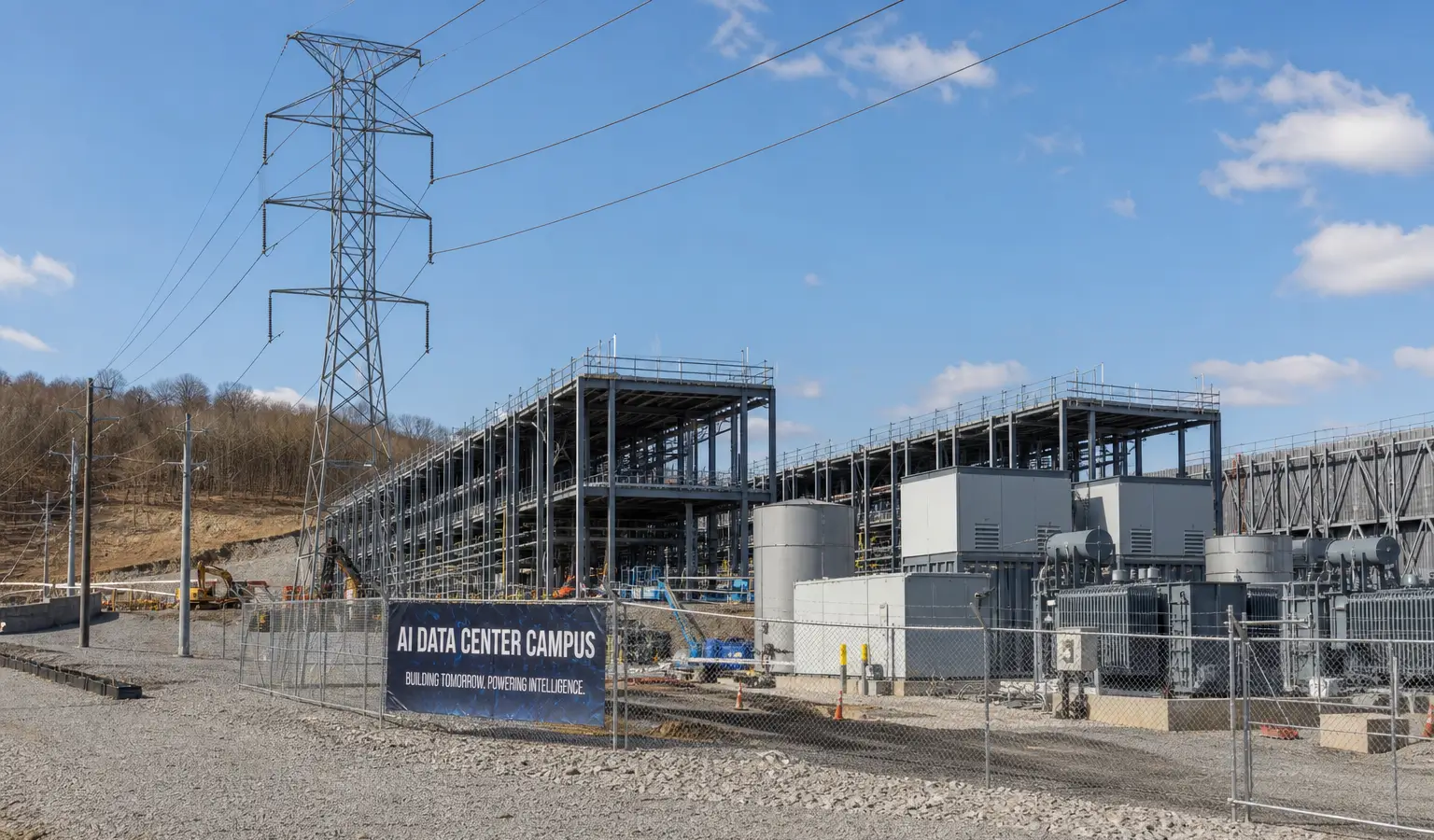
The 20-year lease with Anthropic highlights how Bitcoin miners are turning power and data center capacity into AI infrastructure. Kentucky is a key part of that plan, with Fluor handling construction.
Key Takeaways
- TeraWulf signed a 20-year lease agreement with Anthropic worth about $19 billion.
- The Kentucky project was won through a competitive bidding process where access to power and long-term infrastructure were the main focus.
- TeraWulf is selling non-core assets to free up capital for full ownership of AI infrastructure.
TeraWulf is pushing further away from its roots as a Bitcoin miner and deeper into AI infrastructure after signing a 20-year lease with Anthropic worth about $19 billion (€16.6 billion). CEO Paul Prager said the agreement underscores how quickly demand for AI compute is expanding, and how control over power, land, and operating capacity can create a real advantage.
Kentucky Becomes Strategic
Prager said Anthropic won the Kentucky project through a competitive process that was driven by access to grid power and the ability to build out infrastructure over the long term. In his view, megawatts are not all the same, since AI customers care most about dependable power, redundant transmission, and a site that can scale without delay.
He also said the deal is larger than TeraWulf's current market value, which highlights just how much the AI hosting market has grown. TeraWulf already works with Anthropic and Google at its Lake Mariner campus in New York, so Prager said the companies had an existing relationship before the Kentucky contract was finalized.
Capital Is Moving Toward Owned Sites
TeraWulf is also selling non-core assets, including its stake in the Abernathy project, as it looks to raise capital for full ownership of AI infrastructure. Prager described that move as disciplined capital allocation rather than a shift in strategy, adding that the money will be reinvested in projects such as eastern Kentucky.
That approach fits a wider trend across the sector, where several Bitcoin miners are converting existing infrastructure into AI data centers. Those sites can often generate steadier revenue than the swings of the crypto market. For TeraWulf, the new model is built around energy management, land ownership, and data center operations.
The market is starting to price in that shift as well. Analysts recently said the AI sites of Cipher and TeraWulf are undervalued relative to the contract value of their long-term leases.
Why This Matters
For European crypto readers, the bigger takeaway is how fast capital and infrastructure are moving from pure mining toward high-performance computing. It also suggests that energy access, permits, and location are becoming even more important for crypto companies trying to benefit from the AI boom. TeraWulf expects the Kentucky facility to be online in 2028 and has hired Fluor to build it, while Prager said the biggest challenge right now is finding qualified workers and specialized contractors.