Tether Funds Frozen at EQIBank After U.S. Seizure
It involves less than 0.034% of Tether’s reserves, but the case is drawing more attention to offshore counterparty risk around USDT and the role of smaller banks.
Key Takeaways
- Tether says less than 0.034% of its assets are stuck at EQIBank after a U.S. seizure.
- EQIBank is trying to recover about $89 million and is warning about liquidation risk.
- The case raises questions about how much of Tether’s USDT reserves are held outside the U.S.
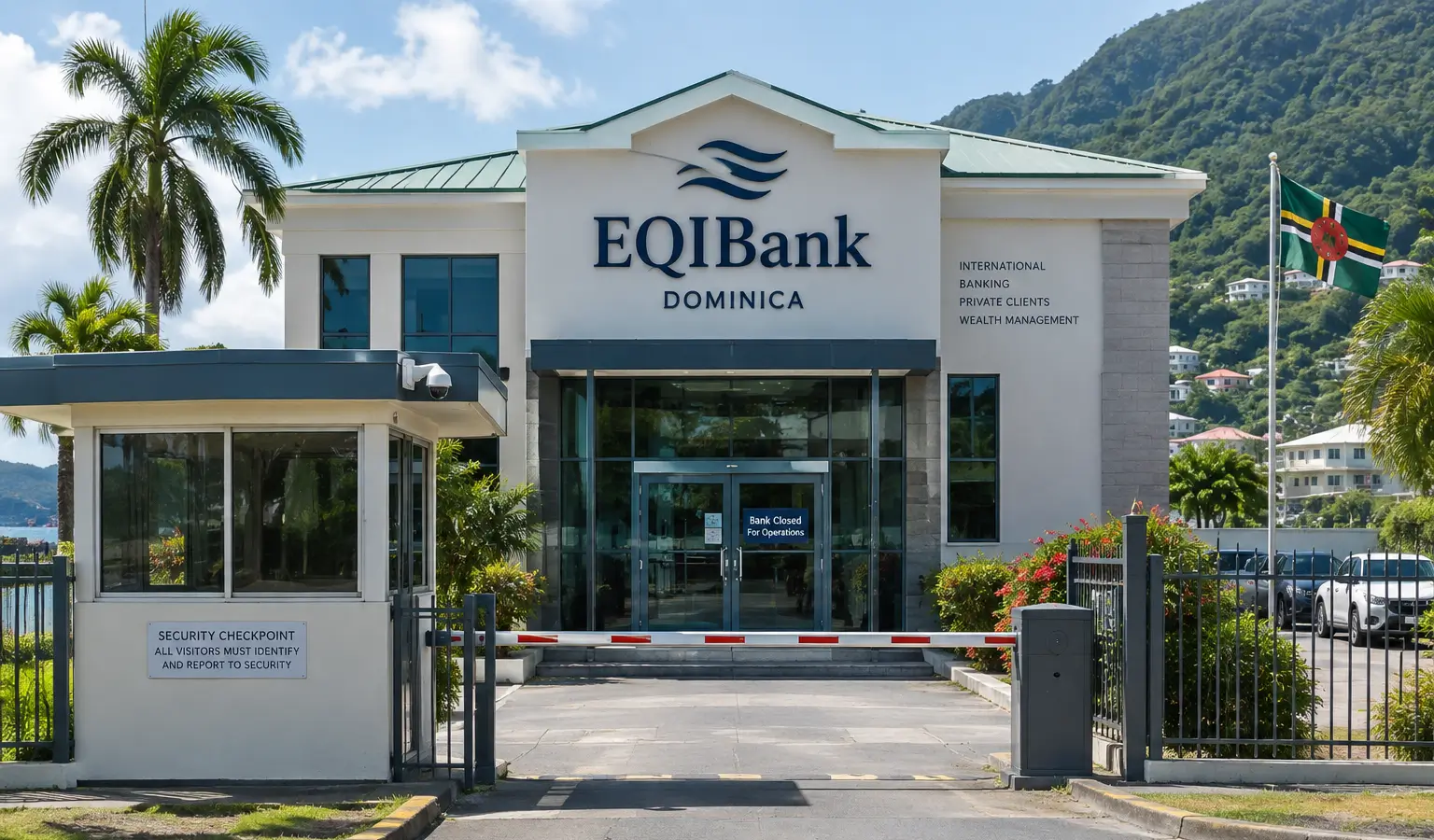
Tether says a small part of its reserves is stuck at offshore bank EQIBank after U.S. authorities seized money linked to the bank. According to the crypto company, it involves less than 0.034% of total assets, but the incident is once again putting the spotlight on how much of the USDT reserves is held outside the U.S.
EQIBank Under Pressure
The Information first reported that EQIBank is facing liquidation risk. The digital bank, which is licensed in Dominica, is trying to recover about $89 million (€78.3 million). According to the report, that money was frozen in accounts at Wells Fargo and JPMorgan Chase after it was linked to payment processor Capstone Ltd.
In EQIBank’s own filings, the seizure affected about 80% of the bank’s total cash holdings. Because of that, the bank warned that liquidation is a real possibility. Against that backdrop, Tether’s funds also became stuck with the same party.
What This Says About Reserves
Tether’s direct exposure looks small, but the bigger question is how much reserves the company holds offshore in total. That is not visible in the report about EQIBank itself, while that number would say more about the real concentration of risk outside government bonds and money market funds.
That question is not just theoretical. Concentration at smaller banks has caused problems before, including when Silicon Valley Bank collapsed in 2023 and U.S. companies temporarily lost access to their deposits.
In its latest attestation, Tether said total reserves are around $190 billion (€167 billion), with most of that in U.S. government bonds. Context from earlier reserve updates also shows that a large share of liquid assets is in cash and cash equivalents, while a smaller part consists of Bitcoin and precious metals like gold. That is exactly why the offshore banking layer remains an important, but still unclear, part of the picture.
Why This Matters for USDT Holders
For European crypto readers, this matters mainly because USDT is one of the biggest stablecoins in the market. If an issuer does not fully spell out where all reserves are held, it can raise questions about transparency and counterparty risk, even if the amount involved here is limited. The EQIBank case is still ongoing in California, so there is no final outcome yet.
The broader debate over reserve quality also plays a role: the ECB previously pushed for stricter MiCA rules for Tether, precisely because the split between reserves and bank deposits is a recurring concern for regulators.