Ukrainian Police Expose Crypto Scam Pulling In $1 Million a Month
The SBU linked the network to fake investment sites, wallet drainers, and data theft. Investigators traced servers to the Netherlands, where they found a database with wallet addresses and victims.
Key Takeaways
- Ukrainian police shut down a fraud network that stole crypto through fake investment platforms in more than 20 countries.
- The SBU estimates the operation brought in up to $1 million per month and that 62 victims have been identified.
- Investigators traced server equipment to the Netherlands and found a database there with victim data, wallet addresses, and internal communication.
Ukrainian police shut down a fraud network that stole crypto from victims in more than 20 countries through fake investment platforms. According to the Security Service of Ukraine, or SBU, the operation could bring in up to $1 million (€0.9 million) per month. In total, 62 victims have been identified.
How the Scam Worked
The websites first showed users that their deposits were growing. According to the authorities, that was just a fake display. When victims wanted to withdraw their money, they were told to connect their main crypto wallet. After that, they approved a small test transaction, and then the funds were moved through a hidden drainer to the perpetrators' wallets.
Police say the operators manually adjusted account balances and created fake transactions to build trust. In addition to crypto, the sites also collected passport details, phone numbers, email addresses, login credentials, passwords, and photos. According to investigators, that increased the risk that the stolen data would be misused outside this fraud as well.
Network and Investigation
According to police, a 25-year-old IT specialist was the leader of the group. He is said to have recruited more than 46 Ukrainian citizens and managed several offices in Kyiv and the surrounding area. Technical staff built and maintained the fake websites, while others contacted potential victims, ran the offices, or handled security.
The victims came from Germany, Poland, Lithuania, Latvia, Spain, France, the United Kingdom, Canada, and Israel, among others. A major breakthrough came when investigators traced server equipment outside Ukraine to the Netherlands. There, they gained access to a database with victim lists, crypto wallet addresses, amounts that were allegedly stolen, and internal communication.
Why This Matters
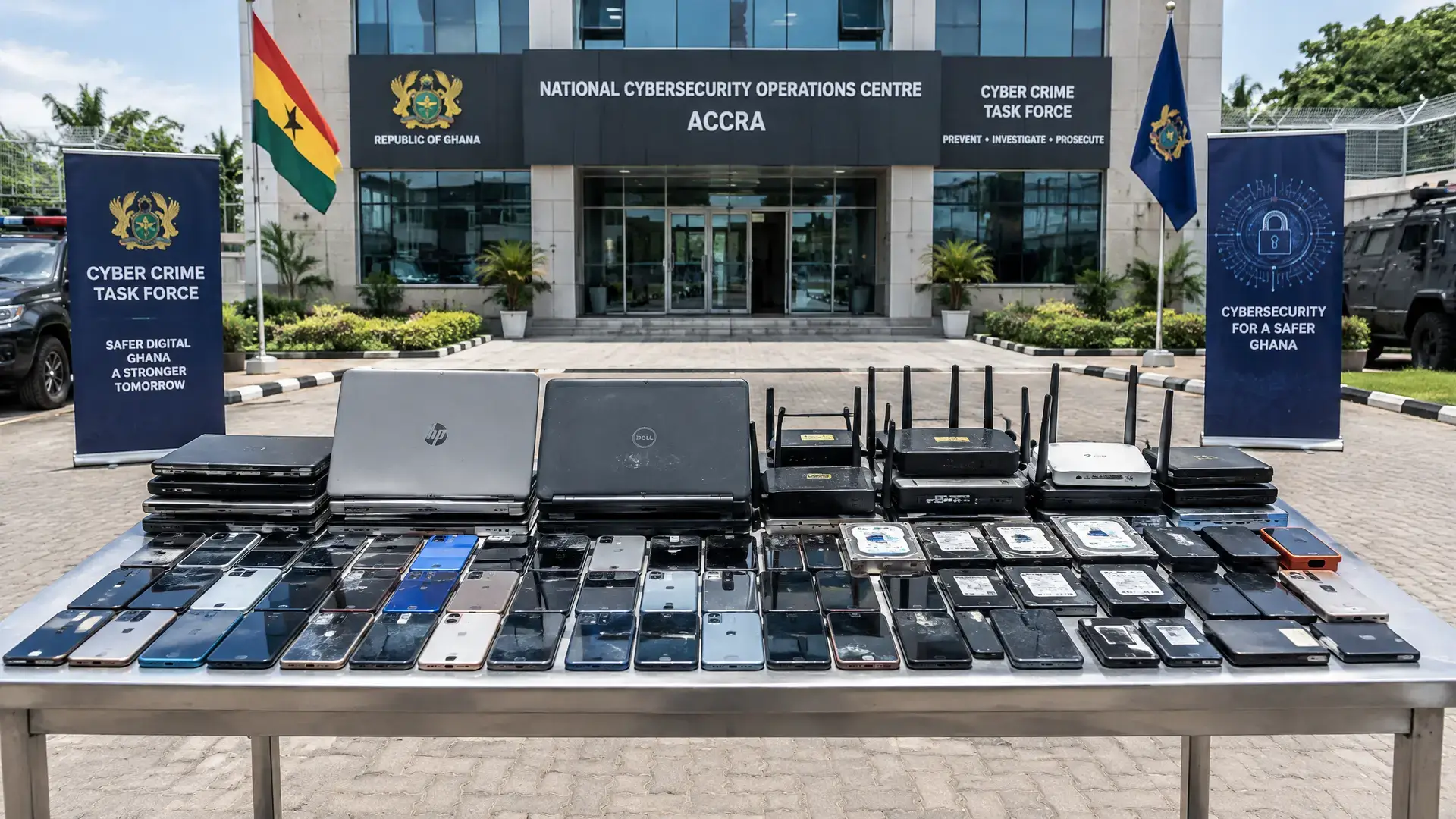
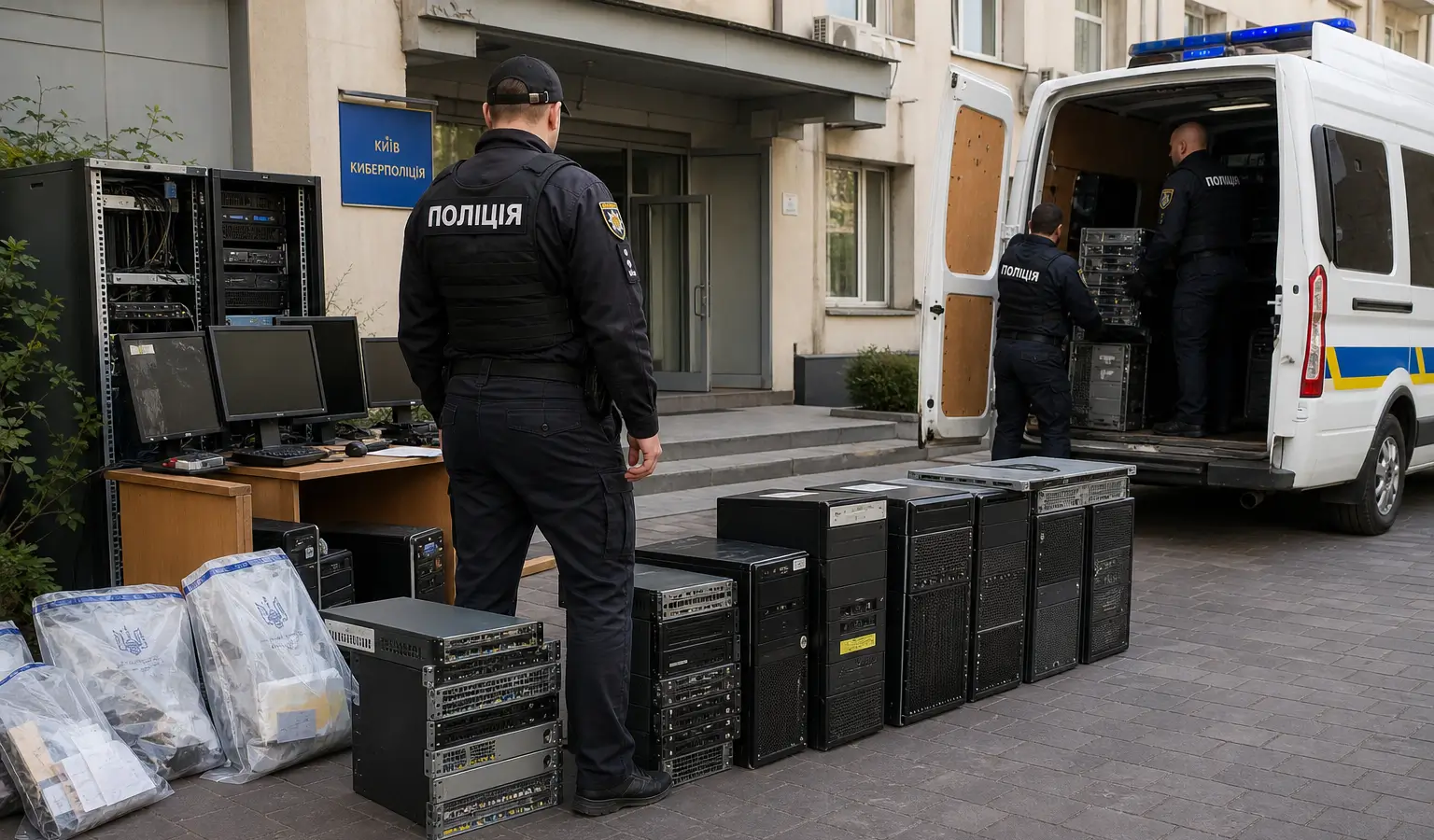
The case shows how crypto fraud is increasingly built around fake platforms, wallet access, and stolen personal data in one and the same operation. For European crypto users, what stands out most is that victims came from multiple countries and that infrastructure outside Ukraine played a role in the investigation. Police and the SBU later carried out 34 searches in Kyiv and the surrounding area and seized computers, phones, SIM cards, documents, cash, and 15 vehicles, among other things.