Strong U.S. Inflation Puts Bitcoin Under Pressure
The Fed did not get the relief it wanted: higher CPI and core inflation increase the odds of another rate hike. Bitcoin and U.S. stocks reacted lower right away.
Key Takeaways
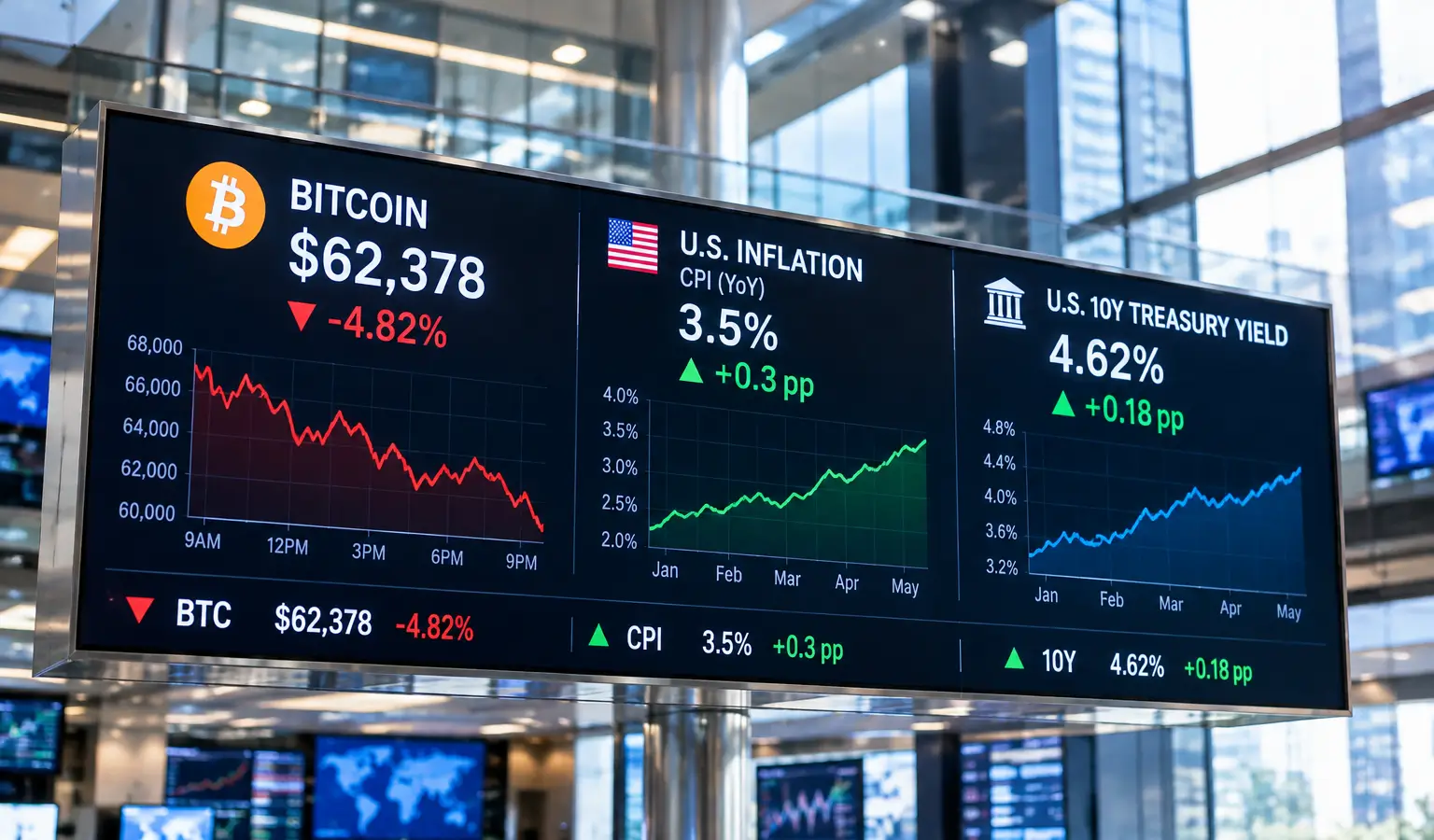
- U.S. CPI rose 0.6% month over month and 3.7% year over year in September, higher than expected.
- After the inflation news, Bitcoin lost about $1,000 and traded around $82,800.
- Higher inflation increases the chance of tighter Fed policy and also puts rates and stocks under pressure.
U.S. inflation rose more sharply than expected in September and immediately put Bitcoin under pressure. CPI rose 0.6% month over month and 3.7% year over year. After the news, Bitcoin lost about $1,000 (€894) and traded around $82,800 (€74,000).
Inflation Surprises Again
Core inflation also disappointed. Core CPI rose 0.3% in September compared with August, while economists had expected 0.2%. On a yearly basis, core inflation came in at 2.6%, compared with 2.4% a month earlier.
For the crypto market, the key point is that higher inflation reduces the room for looser monetary policy. Ahead of this report, several Fed officials had already suggested that another 25 basis point rate hike could still happen before the end of the year. The new numbers make a rate hike in October an option again.
Rate Expectations Rise
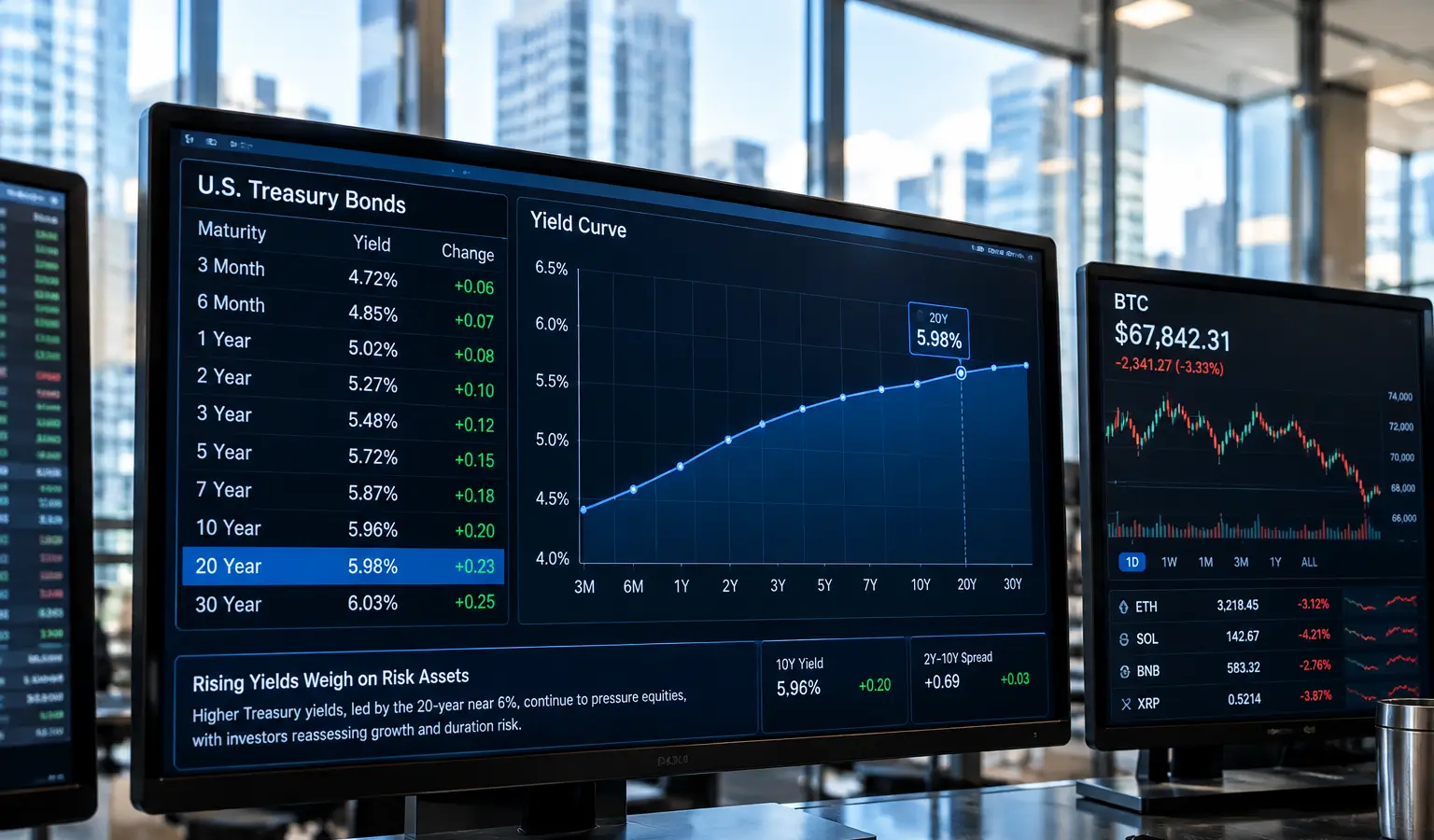
The reaction was not limited to Bitcoin. The yield on 10-year U.S. government bonds rose 6.5 basis points to 5.284%, while futures on U.S. stocks were lower. The Nasdaq 100 fell the most, dropping 0.65%.
That fits a market where investors are watching every signal from the Federal Reserve closely. The central bank raised rates in September 2026 to 3.75% to 4.00%, the first move higher since 2023, and the new forecasts still point to one more increase in 2026.
The crypto market’s reaction to earlier Fed signals also showed how sensitive Bitcoin is to this kind of macro data; an earlier hint at a rate hike caused immediate movement in the price at the time.
Why This Matters for Crypto
For European crypto investors, this is especially relevant because U.S. inflation and Fed policy often quickly spill over into the broader crypto market. If rates stay high for longer, that can slow demand for riskier investments like crypto. So the combination of sticky inflation and higher rates keeps the market focused on new macro data.