U.S. Seeks $61 Million in Binance Cases Tied to Iranian Oil
The U.S. Justice Department links the funds to Binance accounts and alleged oil trading through Iran. The case comes just before Binance’s UK license application with the FCA.
Key Takeaways
- The U.S. Attorney’s Office in New York is seeking $61 million in crypto in a civil forfeiture case over alleged illegal Iranian oil sales through Binance accounts.
- According to the complaint, the funds moved through Blessed Trust and Hexa Whale to Iran’s Islamic Revolutionary Guard Corps and an Iranian exchange.
- Binance is not a defendant, but the case once again increases pressure on the company just before its UK license application with the FCA.
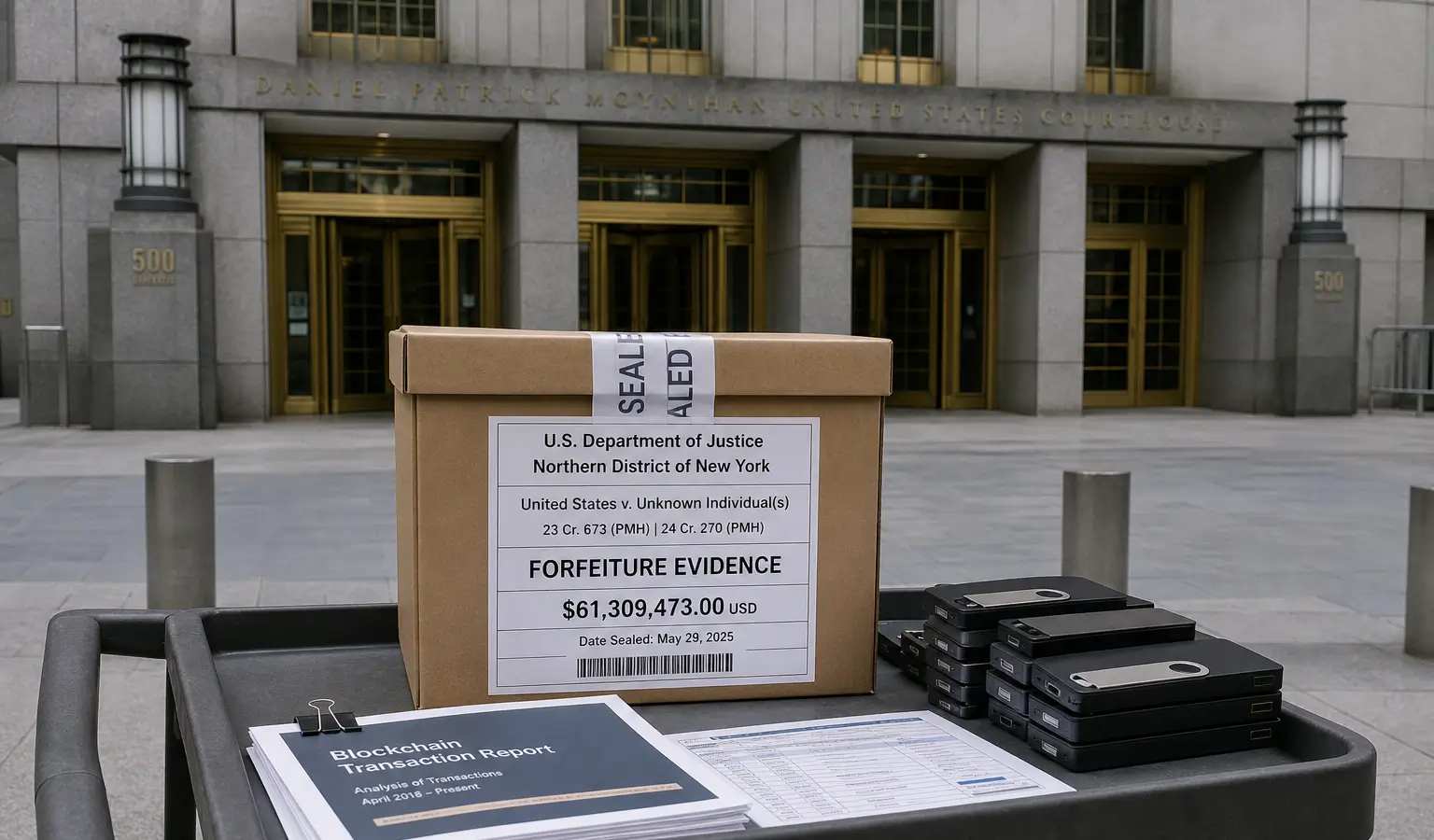
The U.S. Attorney’s Office in New York filed a civil forfeiture case on September 14 against $61 million (€52.8 million) in crypto that prosecutors say is linked to Binance accounts and the illegal sale of Iranian oil. The case puts Binance back in the spotlight, after the company has already appeared several times in sanctions cases involving Iran.
What the Prosecutors Say
According to the complaint, the funds moved through trading accounts at Blessed Trust and Hexa Whale, two companies from China, before ending up with Iran’s Islamic Revolutionary Guard Corps, which the U.S. designates as a terrorist organization. Deputy U.S. Attorney Sean Buckley said at the announcement that the action is meant to strip the Iranian government and its proxies of money that he says is used to threaten people in the U.S. and elsewhere.
The complaint also names a network of wallets, referred to as Entity A, that allegedly moved more than $1.5 billion (€1.3 billion) in illegal proceeds from Iranian oil. That money would have been funneled to services linked to the IRGC and to an Iranian exchange.
Binance Under Pressure Again
Binance itself is not a defendant in this case, but the crypto company’s name is showing up again in a sanctions and money flow case. In March, co-CEO Richard Teng called similar accusations “false and defamatory,” while Binance said at the time that no money went directly to Iranian parties.
The new complaint did not come out of nowhere. Binance pleaded guilty in a U.S. sanctions case in 2023 and paid $4.3 billion (€3.7 billion). For European readers, the key point is that cases like this show how closely regulators and law enforcement now look at where money comes from on major crypto exchanges, especially when sanctioned countries or geopolitical risks are involved.
Pressure on compliance is also rising elsewhere in the sector: the debate over sanctions evasion shows that lawmakers and regulators are increasingly holding crypto to the same anti-money-laundering standards as traditional financial infrastructure.
Timing Ahead of the UK Application
The timing is awkward for Binance, because the filing comes two weeks before the planned opening of the UK license application on September 30. The company wants approval from the UK Financial Conduct Authority under the new crypto framework, where governance and compliance are central.
It is still unclear how heavily the FCA will weigh this U.S. case. What is clear is that old sanctions cases involving Binance are still shaping how regulators view the company.