U.S. Seizes $560,000 in Crypto in Hamas Case
The FBI also took over domains and servers from Alqassam.ps so more crypto donations could be intercepted. The case fits into the U.S. approach to terrorism financing through wallets, chats, and websites.
Key Takeaways
- U.S. authorities seized more than $560,000 in crypto that they say was meant for Hamas.
- The FBI took over domains and servers used for fundraising and recruiting supporters.
- Investigators tracked changing crypto addresses and linked them to a system that moved more than $1.5 million since October 2024.
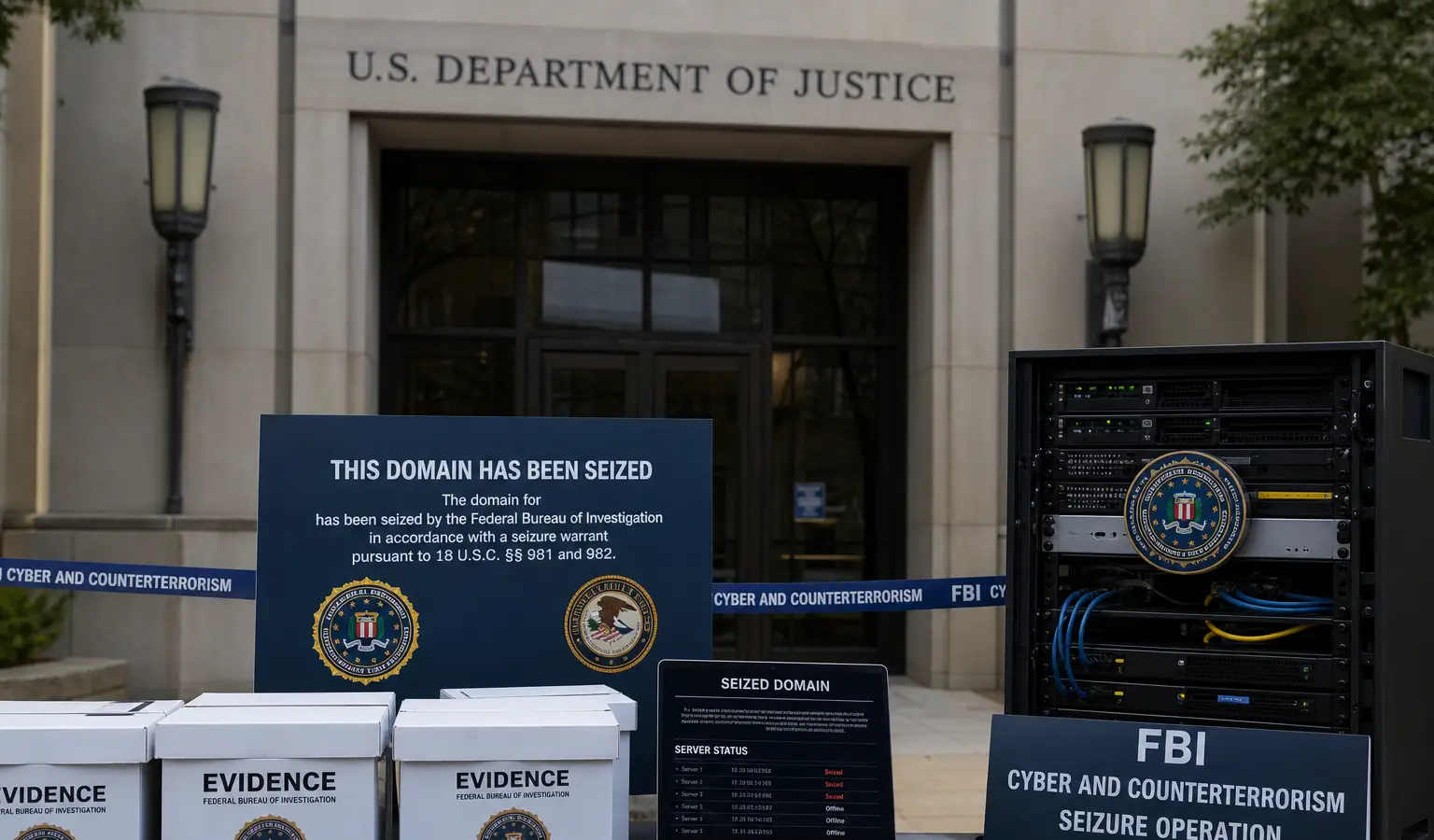
The American Justice Department says it has seized more than $560,000 (€483,700) in crypto that was intended for Hamas. At the same time, the FBI took over domains and servers used to raise money and recruit supporters.
Crypto and Websites
According to the Wednesday announcement, the case involves five affidavits. Three of them, dated March 25, June 25, and October 10, 2025, support the crypto warrants that together account for the $560,000 (€483,700). Two other documents, from July 29 and August 18, 2026, deal with the seizure of the infrastructure.
Investigators used human sources to identify and track changing crypto addresses. Those addresses were promoted through an encrypted group chat and a fundraising website, according to court documents. The first action brought in about $201,400 (€174,000) from wallets and accounts that authorities say were tied to a system that had moved more than $1.5 million (€1.3 million) since October 2024.
Alqassam.ps Under Control
The FBI also took over domains and servers used for the main site Alqassam.ps. That allowed the agency to intercept more crypto donations. The department says the operation also uncovered information about thousands of people who reached out to Hamas-related platforms to donate through crypto or traditional payment methods.
Hamas has used crypto donations to raise money for years. According to earlier reports, this has been happening since early 2019, including through Telegram, where anonymity and hard-to-trace payments were emphasized. That makes cases like this relevant for European readers, because law enforcement agencies are increasingly trying to tackle digital money flows and online channels at the same time.
Broader Crackdown on Financing
The action fits into a broader effort by U.S. authorities against terrorism financing. They are focusing not only on wallets and transactions, but also on websites, chats, and other online channels used for recruiting and donations. The case also shows that blockchain analysis is becoming an increasingly important tool for tracking money flows that move through crypto.