U.S. Puts Brazil's Pix Under Pressure in Tariff Fight
Washington is treating a national payment system as part of a trade dispute for the first time. At the same time, use of dollar stablecoins is growing in Brazil, while the central bank is preparing tougher rules.
Key Takeaways
- The United States will impose a 25% tariff on most Brazilian goods on July 22 and is using Section 301 against Brazil's Pix payment system for the first time.
- Pix is used by more than 90% of Brazilian adults and processes more transactions than credit cards and debit cards combined, which hurts U.S. payment companies.
- Brazil is trying to limit stablecoins in cross-border payments, while the case shows how payment infrastructure can shape geopolitics and regulation.
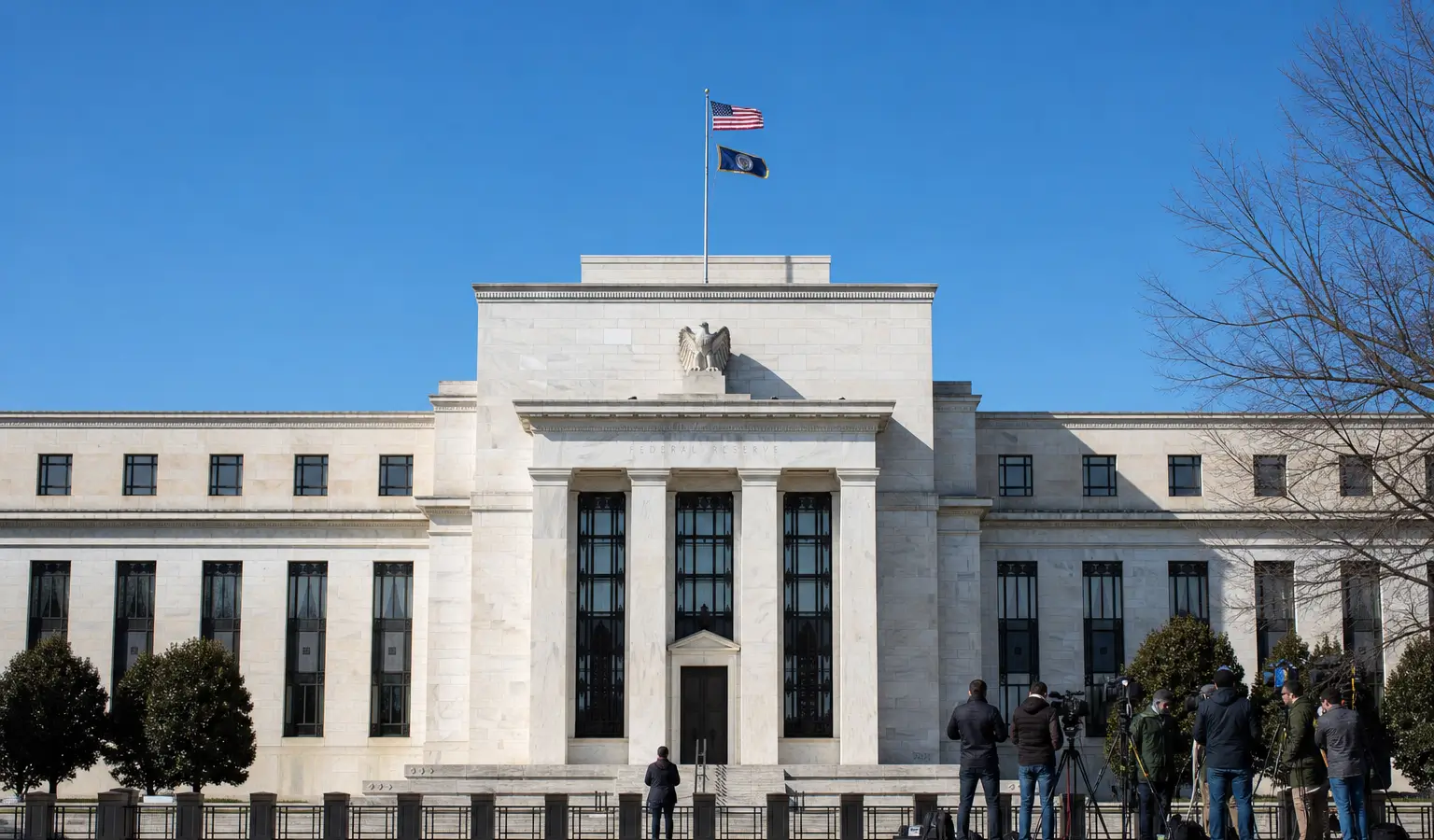
The United States is set to slap a 25% tariff on most Brazilian goods on July 22, and it is also leaning on Section 301 for the first time to pressure Brazil's payment system. That is a significant step, because Washington has typically used that trade tool to address issues such as intellectual property, subsidies, and market access. Now, for the first time, it is treating a domestic payment network as a trade barrier.
Pix Becomes a Trade Issue
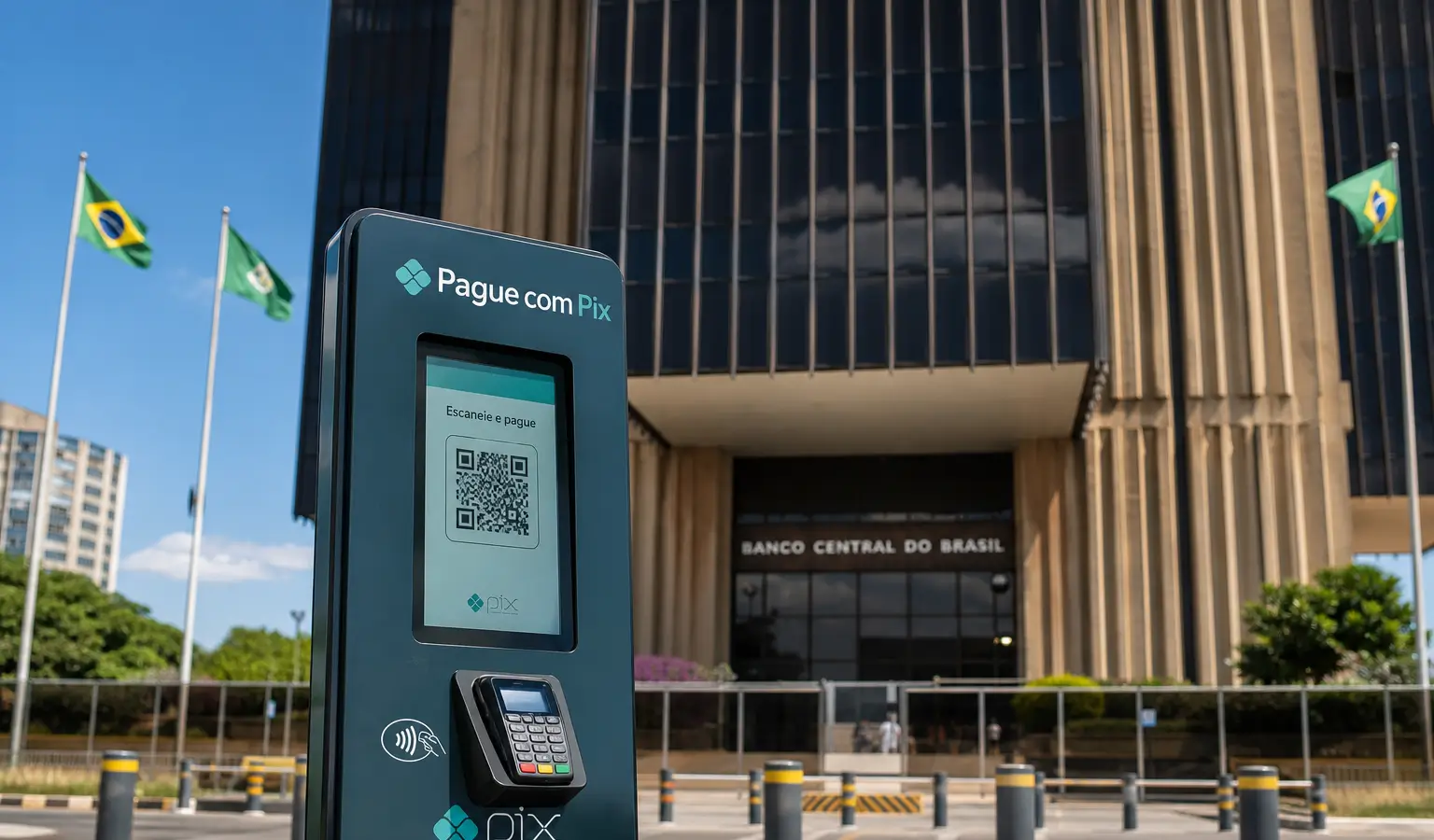
The target is Pix, Brazil's central bank-run instant payment system, which is used by more than 90% of Brazilian adults. The U.S. trade representative says Pix now handles more transactions than credit cards and debit cards combined, and that has put U.S. payment firms like Visa and Mastercard under pressure because participating institutions must offer the service to consumers at no cost.
The numbers are striking. Pix launched in November 2020 and has since grown to more than 170 million users. In June, it processed nearly 7 billion transactions worth about R$3 trillion (€2.6 trillion), or $590 billion (€516 billion). In the second half of 2025, it handled 42.9 billion transactions, compared with 23.8 billion across credit, debit, and prepaid cards combined.
Stablecoins Keep Gaining Ground
The U.S. move comes as the dollar is already deeply woven into Brazil's payment flows through blockchain rails. Tax data shows that roughly 90% of crypto transaction volume in the country is linked to dollar stablecoins, mostly for payments and settlement. Brazil is also estimated to move between $6 billion (€5.2 billion) and $8 billion (€7 billion) in crypto each month, with a large share of that activity running through dollar-denominated stablecoins rather than the local currency.
At the same time, Brazil's central bank is moving to curb the use of stablecoins in regulated cross-border payments. Resolution 561, which takes effect on October 1, is designed to bar payment companies from settling cross-border transfers in stablecoins or other crypto. Regulators view those tokens as a threat to monetary sovereignty, tax collection, and anti-money-laundering oversight.
Implications for Europe
For European crypto readers, the bigger lesson is that payment infrastructure itself can quickly become a geopolitical flashpoint. The combination of state-backed systems like Pix, dollar stablecoins, and new settlement rails such as Drex could also accelerate debates over digital payments and regulation in other regions. That makes Brazil a useful precedent for markets where governments are building their own networks or trying to defend existing ones.