Wall Street Makes Tokenization a Strategic Priority
Broadridge says 84% of institutions see tokenization as important, while BlackRock, JPMorgan, and DTCC are already building infrastructure for tokenized securities.
Key Takeaways
- Tokenization is now a strategic priority for 84% of the financial institutions surveyed, according to a Broadridge poll.
- 92% expect digital and traditional assets to coexist for now, while 69% want tokenization built into existing infrastructure.
- Regulatory uncertainty and operational complexity are still the biggest obstacles to wider adoption of tokenized securities.
For a large part of Wall Street, tokenization has moved from a side experiment to a strategic priority. In a new Broadridge survey, 84% of financial institutions said the technology matters to their business, and many are now planning for a market where digital and traditional assets operate side by side.
From Experiment to Infrastructure
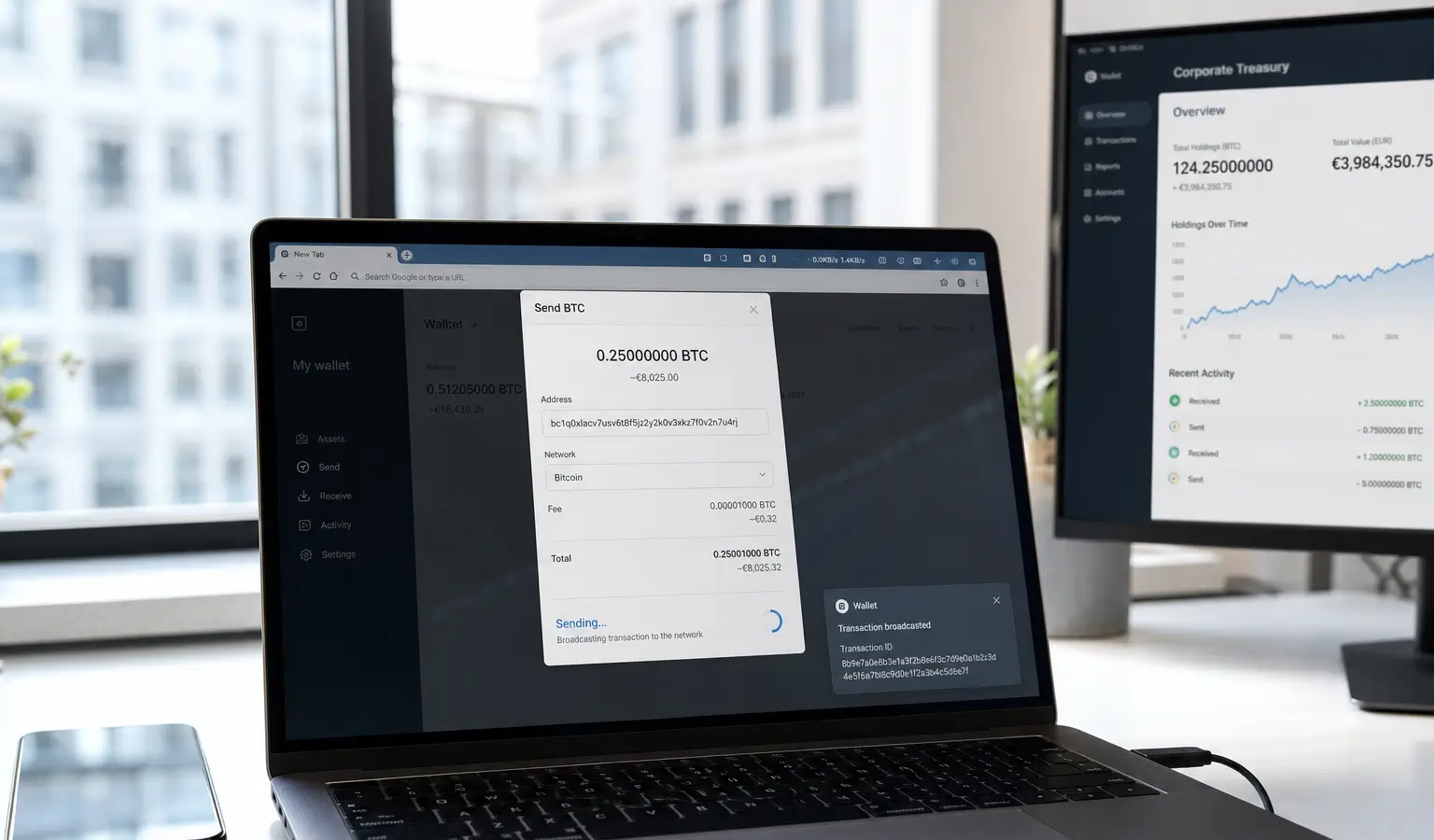
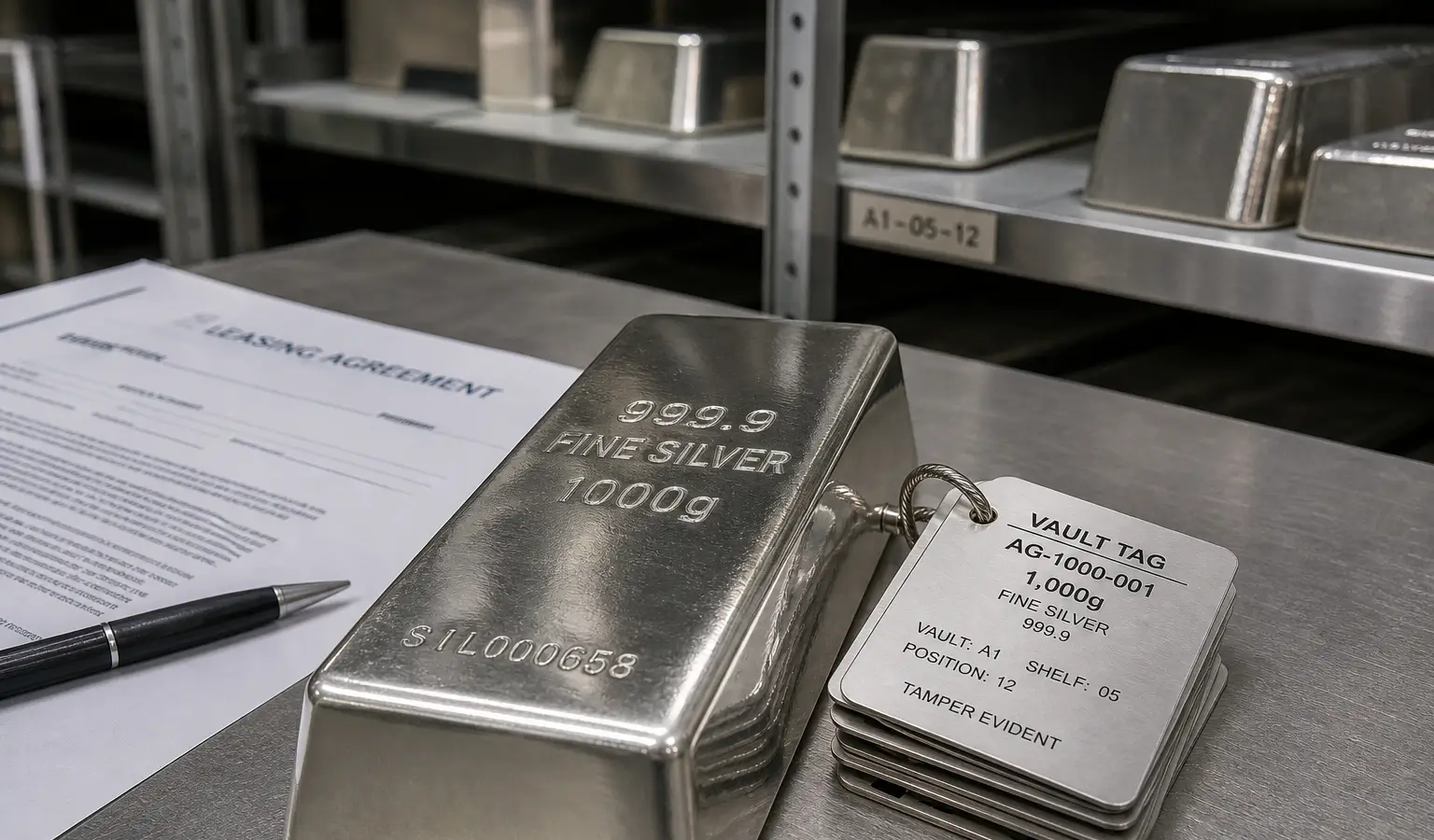
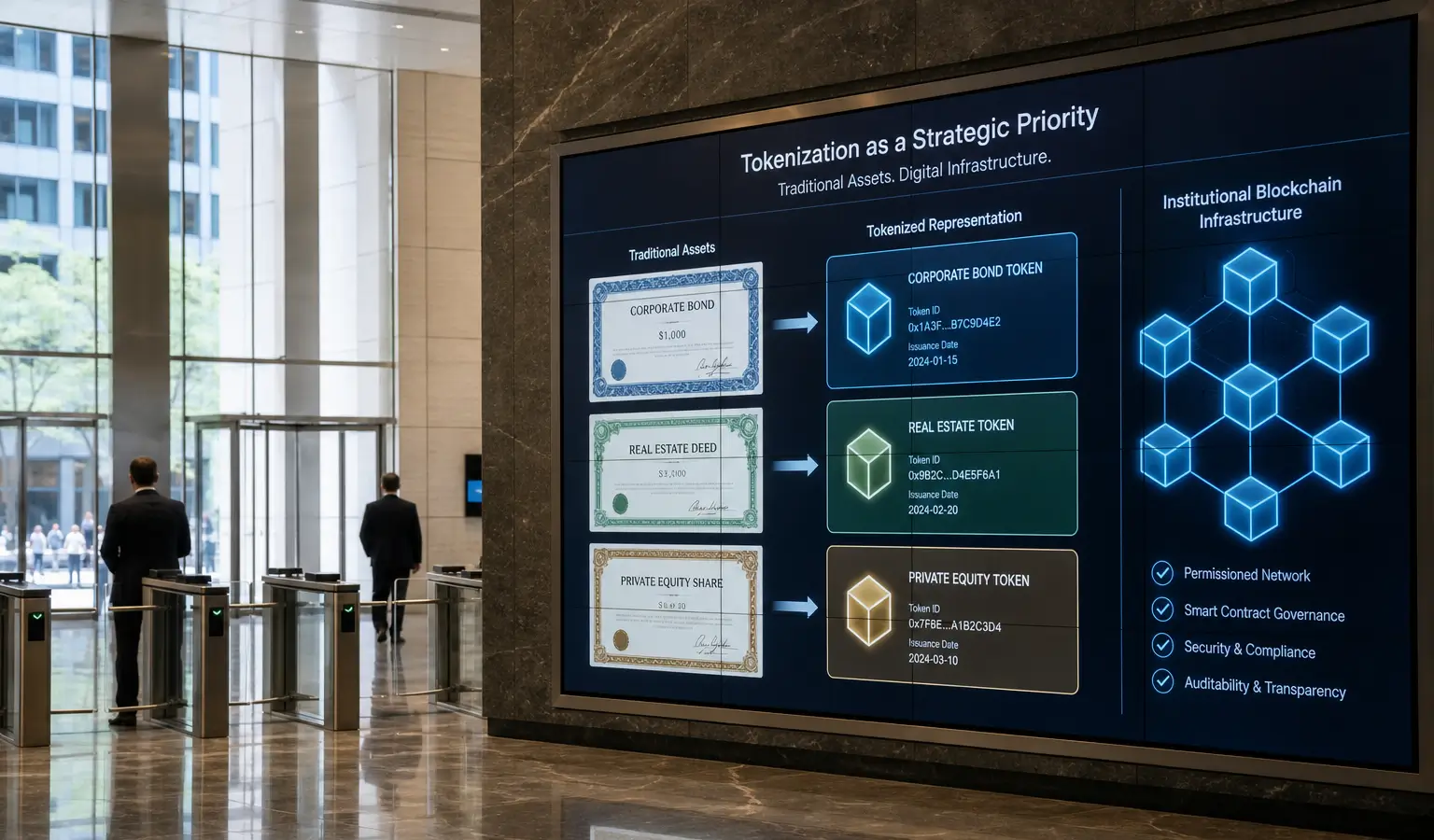
The poll, which surveyed 200 North American executives in financial services, suggests the industry is looking well beyond isolated blockchain tests. Tokenization refers to recording ownership of real-world assets, including stocks, bonds, funds, or real estate, as digital tokens on a blockchain. Backers say it can speed up settlement, cut operating costs, enable 24/7 trading, and make assets easier to divide into smaller pieces.
That momentum did not appear overnight. BlackRock and Franklin Templeton have already launched tokenized funds, JPMorgan has widened blockchain-based settlement through Kinexys, and firms such as Visa and DTCC are building the plumbing for tokenized payments and securities. On Wednesday, DTCC also said it completed its first live production trades with tokenized securities, another step toward folding blockchain into traditional markets.
A Hybrid Market Is Still the Baseline
Broadridge says most firms are not expecting a fully onchain market anytime soon. A full 92% believe digital and traditional assets will continue to coexist for now, and 69% prefer to plug tokenization into existing infrastructure rather than build separate blockchain-native systems. That lines up with the approach many large financial institutions are taking, since they are mainly trying to connect blockchain networks with current trading, custody, and settlement workflows.
Even so, adoption is still uneven. In the survey, 44% of capital markets firms said tokenization is already in production or running at scale, compared with 20% of asset managers and 9% of wealth managers. Respondents also said tokenized mutual funds and money market funds are most likely to gain traction over the next five years, while about half expect tokenized equities to see similar adoption in that same period.
Why This Matters
For European crypto and market watchers, the shift matters because tokenization is becoming less of a niche idea and more of an infrastructure issue. The way existing financial systems and blockchain networks are combined could also shape the debate outside the U.S., especially as regulators and market participants work out where tokenized securities fit under current rules.
Regulatory uncertainty is still the biggest barrier, followed by the operational challenge of fitting blockchain into legacy systems. The SEC has already said tokenized securities are covered by existing federal securities laws, while IOSCO has flagged added risks such as legal uncertainty and operational vulnerabilities. In other words, the industry is moving ahead, but the groundwork is still far from finished.