Wall Street Puts Blockchain to Work for Real Revenue
Securitize, Ondo, and Backpack are bringing tokenized stocks to Solana, while JPMorgan is already processing billions through Kinexys. For investors, the question now is which tokens can actually generate revenue from that.
Key Takeaways
- Wall Street is moving more and more financial activity onto blockchain, which means crypto investors need to take a closer look at which tokens can really benefit from it.
- Securitize, Ondo Global Markets, and Backpack Securities are expanding tokenized stock trading on Solana, while the SEC is allowing regulatory exemptions.
- Pantera Capital sees a shift toward sustainable revenue and infrastructure, with JPMorgan's Kinexys processing about $7 billion every day.
Wall Street is moving more and more activity onto blockchain. That means crypto investors need to take a closer look at which tokens can really benefit from it. New products around tokenized stocks, rising revenue at major banks, and a tougher stance from regulators are turning adoption into a concrete business story, not just a market story.
Tokenized Stocks Are Gaining Ground
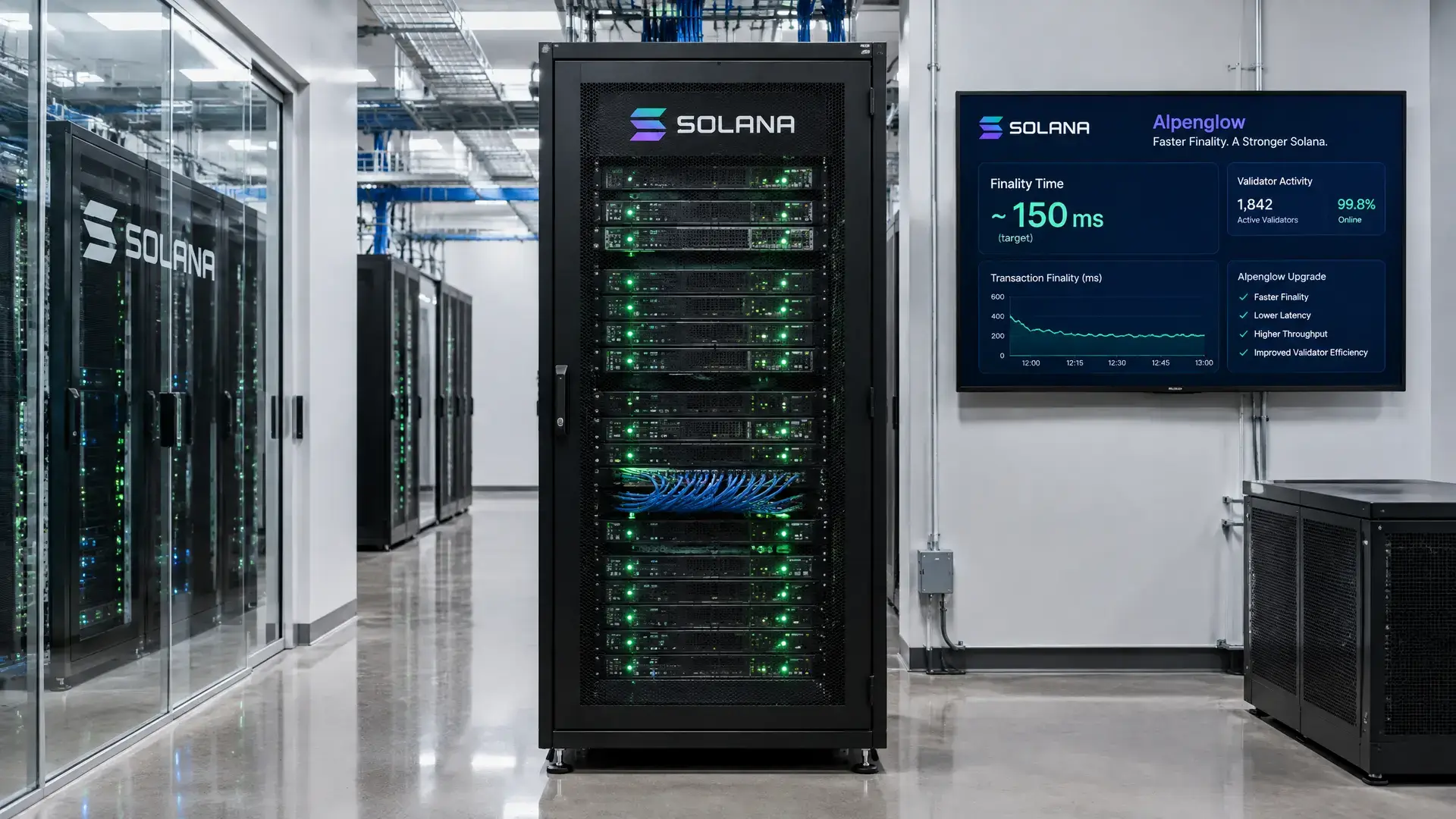
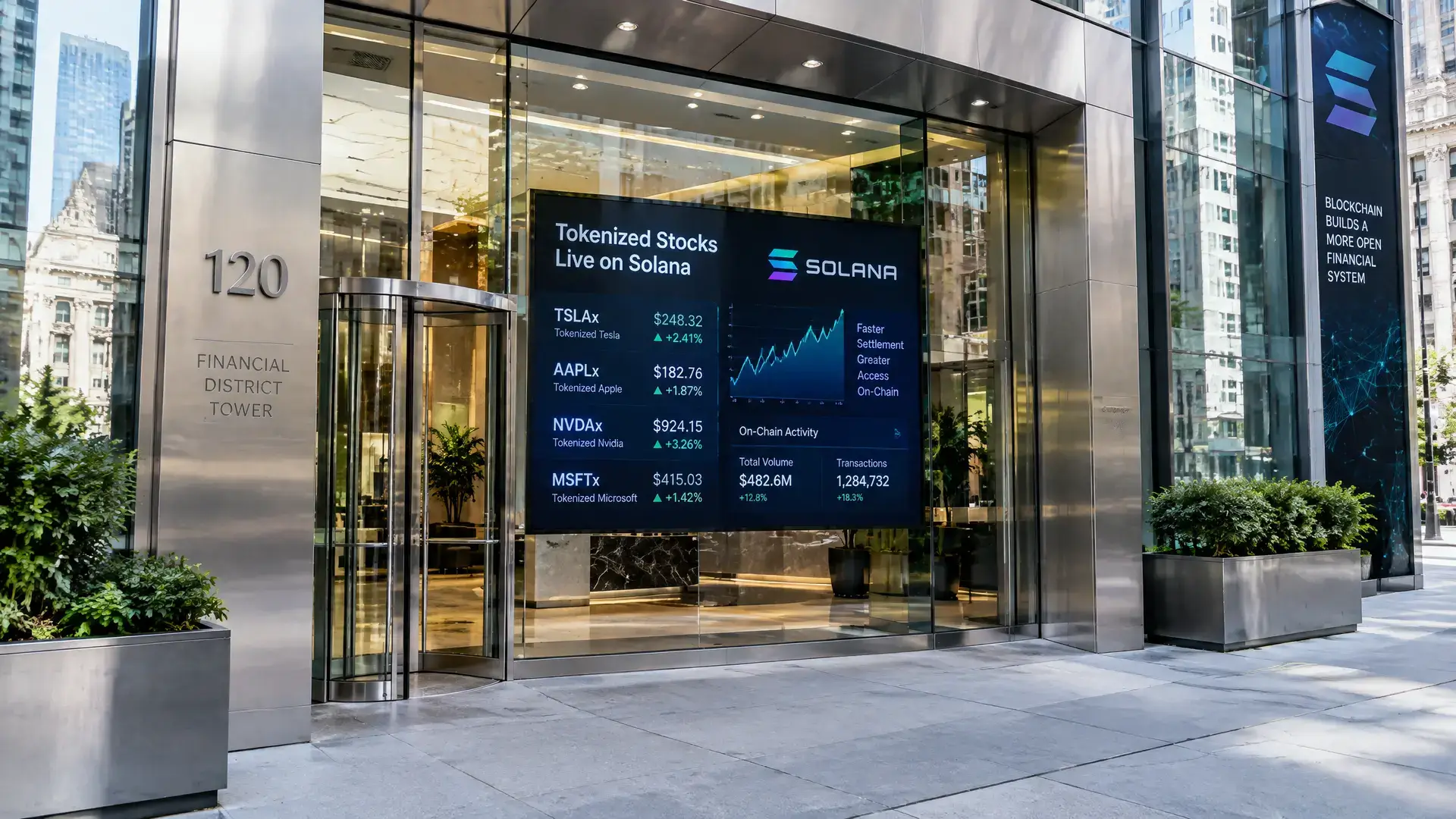
On October 8, Securitize announced blockchain-based trading in 12 U.S. stocks, including Apple and Nvidia. The products are backed by the underlying shares and will initially trade on Solana. Around-the-clock trading is still a future goal for now.
That fits into a broader move where traditional financial firms are using blockchain for existing investment products. Ondo Global Markets also recently expanded to Solana with more than 200 tokenized U.S. stocks and ETFs, while Backpack Securities launched a platform on Solana that lets users buy real U.S. stocks and convert them into tokenized equities. The SEC has also approved regulatory exemptions that allow blockchain platforms to offer trading in tokenized U.S. stocks.
More Focus on Real Revenue
According to Pantera Capital President Scott Lawin, the sector is moving into a less flashy but more durable phase. He says institutional adoption does not happen overnight, but grows gradually. JPMorgan reported back in September that its Kinexys blockchain business processes about $7 billion (€6.2 billion) in transactions every day.
Lawin mainly sees opportunities for crypto companies that help institutions work more efficiently. Some of those providers could even become acquisition targets later on. At the same time, the core question for investors remains tough: does a token itself generate anything, or is the market only looking at the revenue of the underlying company?
Why This Matters for Crypto
For European crypto investors, this shows that the next growth phase of the crypto market may be less about hype and more about infrastructure, revenue, and usage. That could be especially relevant for projects that sit close to the traditional financial market, such as Solana and other networks where tokenized assets are being built. The question of which tokens actually benefit economically from that is becoming more important than the adoption story alone. That tension between growth and profit is exactly what many investors are watching right now.