ETF
An ETF is an investment fund whose shares you can buy and sell on an exchange. One ETF can give you exposure to a market, such as stocks, bonds, or crypto.
What is an ETF?
ETF stands for exchange-traded fund. It’s a fund you can buy and sell through a broker during market hours.
Many ETFs track an index: a group of investments put together. There are also ETFs where a manager decides which investments the fund buys.
An ETF’s value is tied to the investments in the fund. Fees and supply and demand can cause its market price to differ slightly from that value.
An example of an ETF
Suppose you buy a share of a spot bitcoin ETF through a broker. The fund holds bitcoin. So, in principle, the value of your ETF share moves with the price of bitcoin, after fees and any small differences between the ETF share price and bitcoin’s price.
You don’t buy bitcoin that you can send yourself. So the bitcoin isn’t held in your own crypto wallet.
Why is an ETF important in crypto?
A crypto ETF gives people exposure to crypto prices through an investment account. They don’t have to manage a crypto wallet or private keys themselves. However, that means they depend on the provider and, when the fund holds crypto, the custodian.
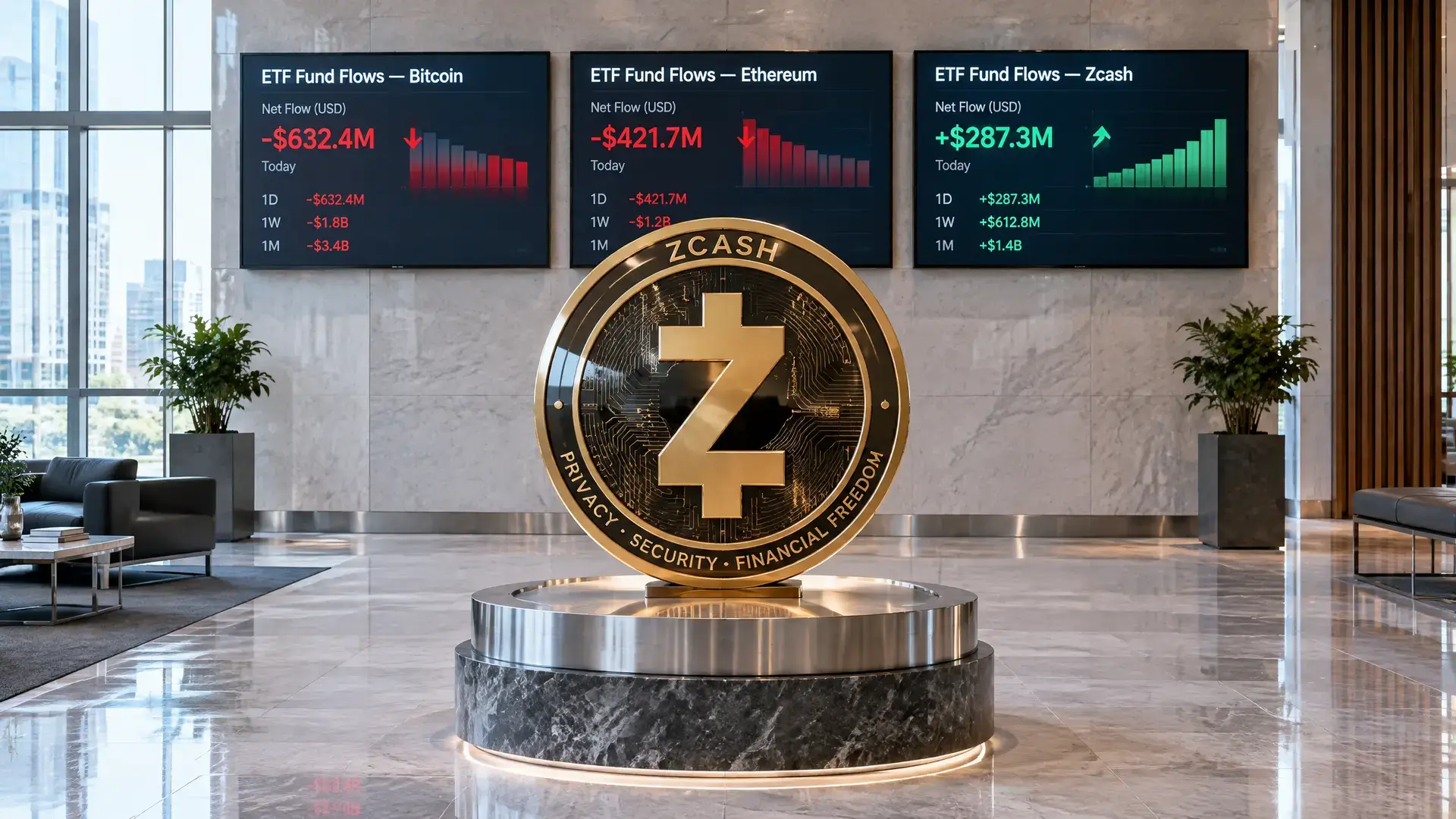
Crypto news often covers applications to list ETFs on exchanges, approvals, and new crypto ETFs. Reports about inflows or outflows refer to money entering or leaving the fund. That’s different from the number of ETF shares traded on the exchange.
Not all crypto ETFs work the same way. A spot crypto ETF may hold cryptocurrencies, while a futures-based crypto ETF uses futures contracts. An ETF also doesn’t prevent losses: if the underlying market falls, the ETF can lose significant value. Also, not every exchange-traded crypto product is legally an ETF; ETP is a broader umbrella term.