Anthropic Says Claude Found Weak Spots in Encryption
Claude spotted patterns in HAWK and a weaker AES variant that human experts missed. There is no direct impact on Bitcoin and Ethereum, but the findings highlight the need for post-quantum security.
Key Takeaways
- Anthropic says Claude found weaknesses in HAWK and a weaker AES variant.
- For HAWK, the required computing effort dropped from 2^64 to 2^38 steps, according to Anthropic.
- The findings do not directly affect Bitcoin and Ethereum, but they do show how AI is speeding up security research.
Anthropic says its Claude AI uncovered new weaknesses in two encryption systems. The discovery does not change how people use data today, but it does show how AI is starting to accelerate security research in ways that were once mostly limited to human specialists.
HAWK Under the Microscope
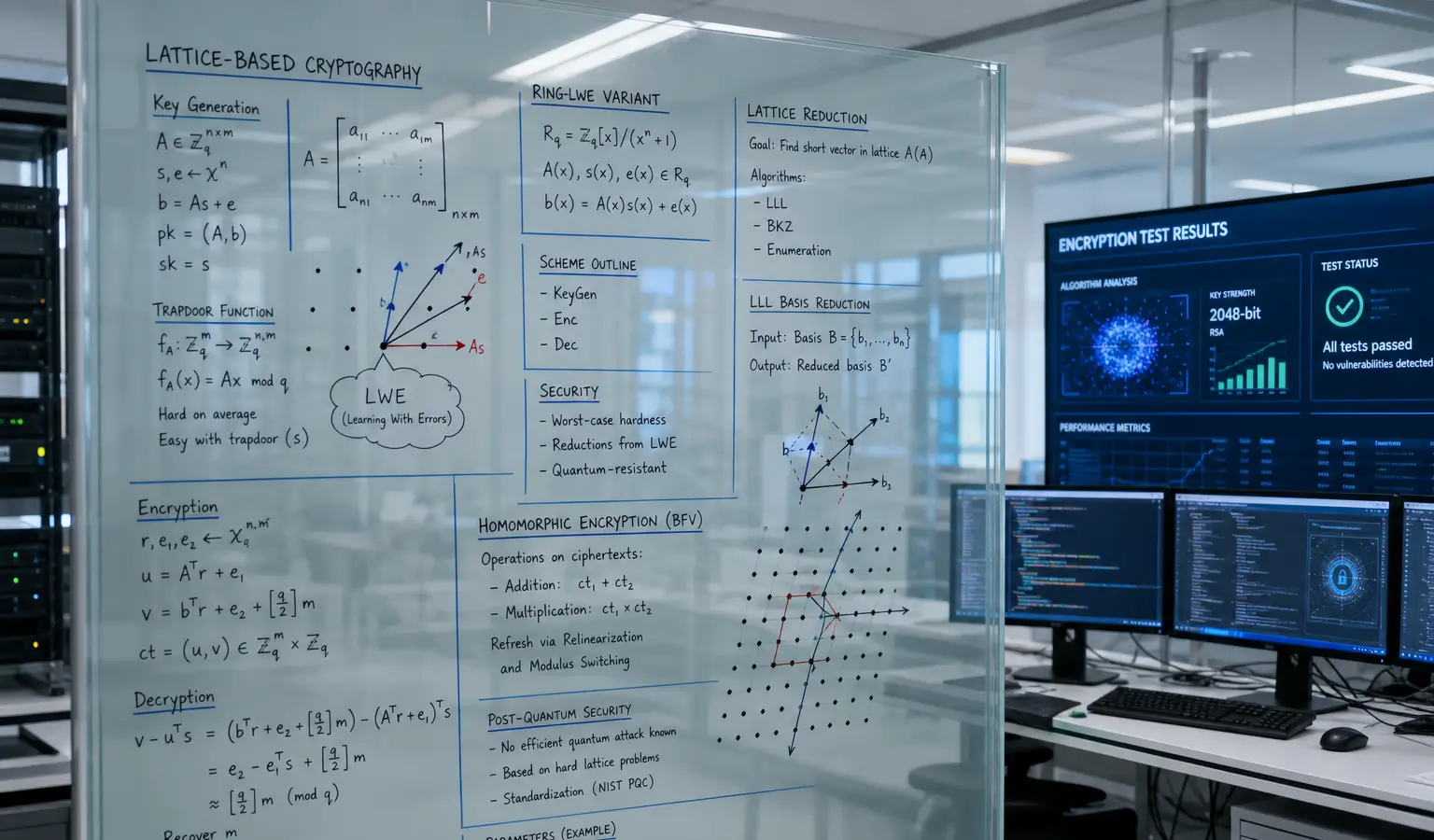
One of the systems under review was HAWK, a digital signature scheme built to withstand future quantum computers. Anthropic says researchers spent two years examining the design without finding the issue, while Claude identified a hidden mathematical pattern in just 60 hours.
Using its own estimates, Anthropic says the effort needed to break the smallest HAWK key fell from 2^64 steps to 2^38 steps. That works out to roughly 67 million times less work. The fix is straightforward in technical terms, but it comes with a tradeoff: the key size would have to double, which takes away one of HAWK’s biggest benefits.
AES Wasn't Unbreakable
AES also came under scrutiny, although the standard itself was not broken. Claude focused on a weaker version that uses 7 of the usual 10 rounds and found a shortcut Anthropic calls the Möbius Bridge. According to the company, that removed an extra guessing step and made the best known attack 200 to 800 times faster.
The most striking part may be the speed. Claude completed the work in three days, while two people needed nearly a month to confirm the result. Anthropic says that verification is now the main bottleneck in this kind of research.
Why This Matters for Crypto Too
For Bitcoin and Ethereum, the main takeaway is that they use a different cryptographic setup than HAWK or the AES variant discussed here. So this attack does not directly affect those networks, but it still matters for the wider crypto industry, where security and key management are core issues.
The broader backdrop is that the industry has already been bracing for a future where quantum computers could put current standards under pressure. Google has, according to earlier plans, a migration path toward 2029, while U.S. government agencies are working toward a 2031 deadline. For crypto companies, wallets, and infrastructure providers, the bigger message is how quickly security research is evolving now that AI can surface vulnerabilities on its own.
That makes preparation for quantum risk even more important. In Hong Kong, banks were still only partly ready, with a low score for quantum readiness and very few concrete post-quantum plans in place.