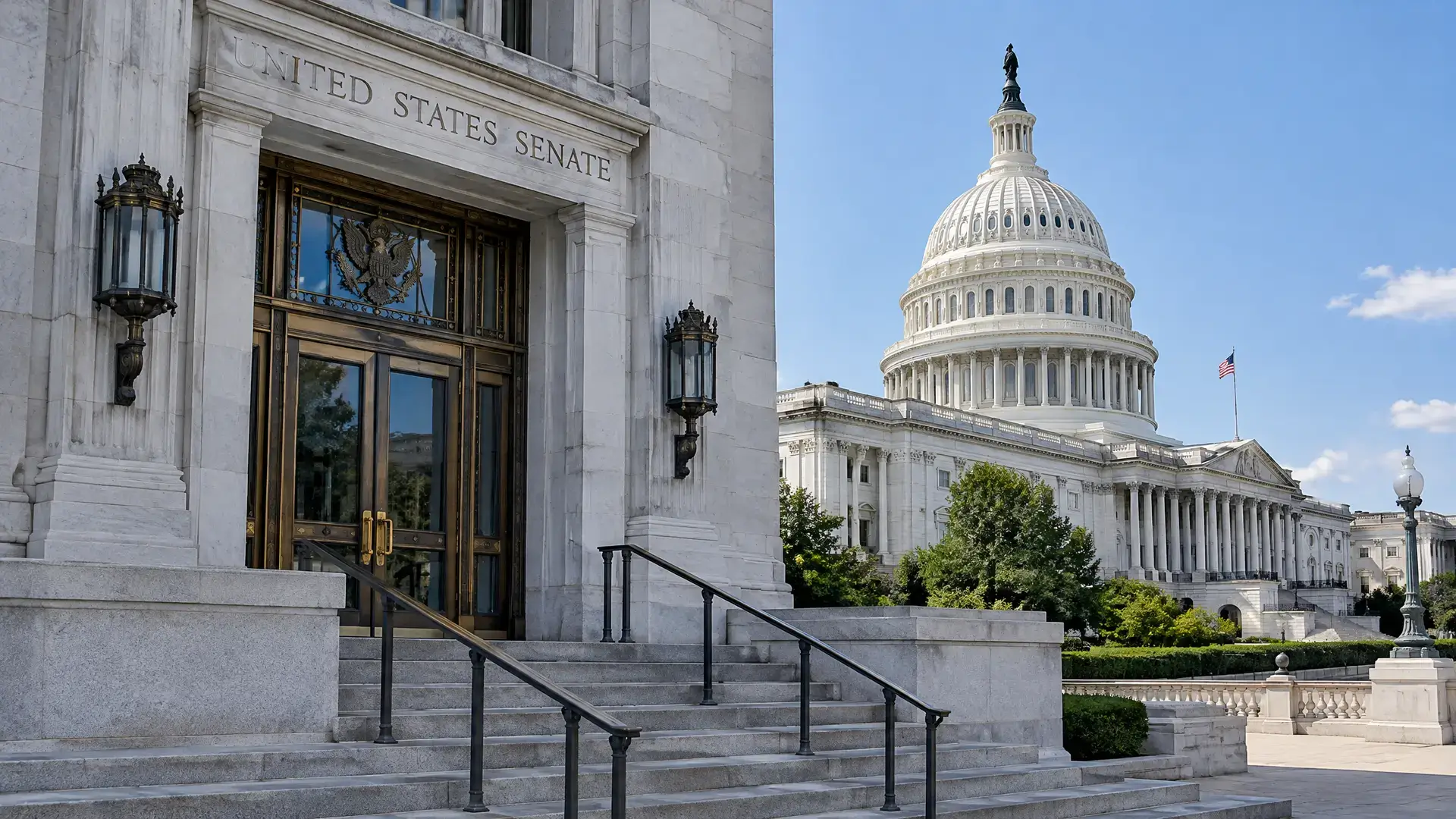
ASIC Puts Pressure on Crypto Firms With Licensing Deadline
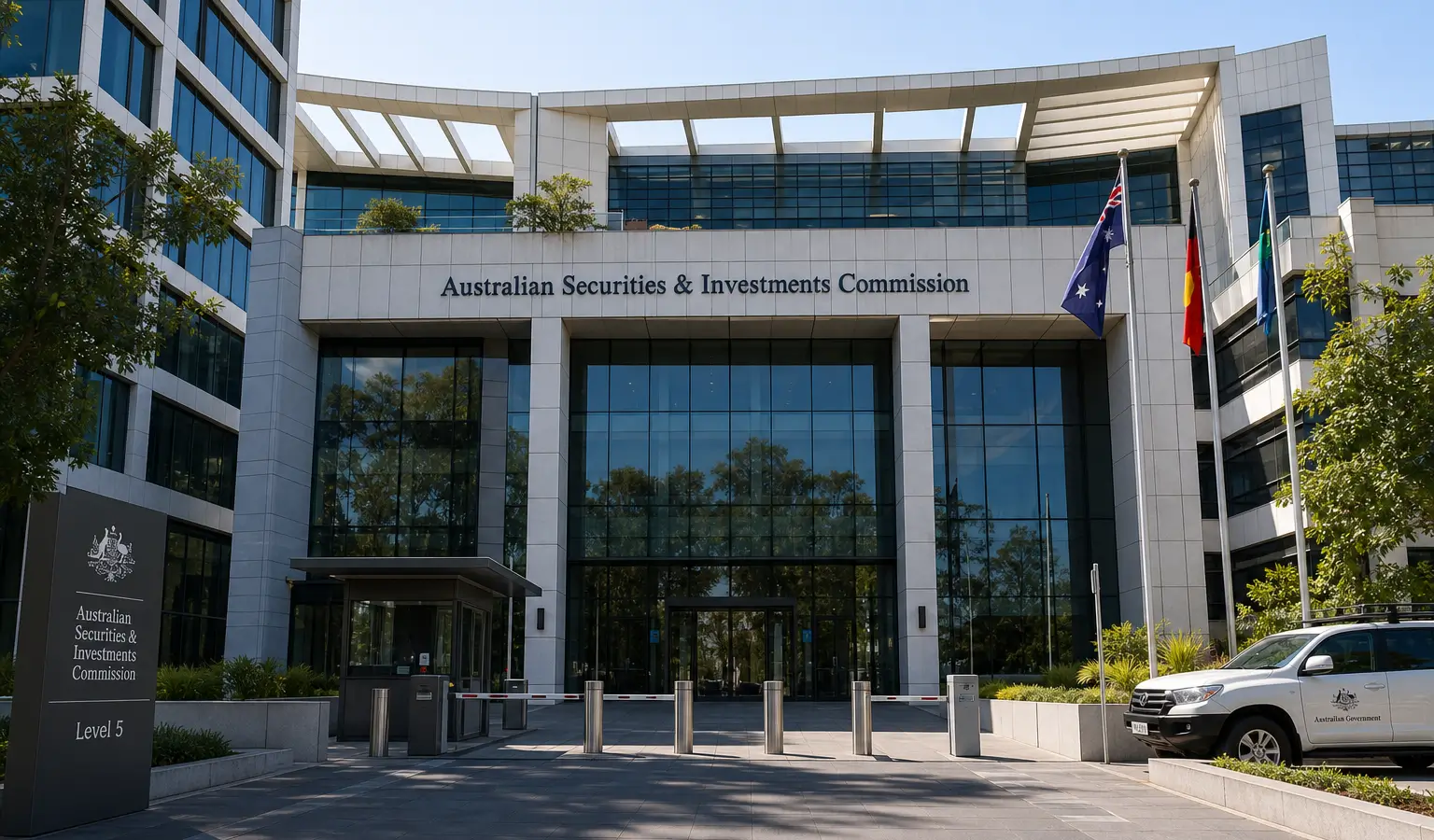
ASIC is requiring crypto and custody firms to get their AFS licensing process in order before September 30. Starting October 1, fines could follow, while Australia works on its own digital asset regime.
Key Takeaways
- ASIC is warning crypto companies that they need to get their licensing process in order by September 30.
- Companies can apply for an AFS license or operate through an authorized representative or intermediary setup.
- Starting October 1, non-compliant parties risk fines and other penalties, possibly up to 10% of annual revenue.
Australia is putting more pressure on crypto companies to comply with existing financial rules. Regulator ASIC has warned that parties relying on the temporary no-action position until September 30 have time to get their licensing process in order, or they risk fines and other penalties.
License or Exemption
ASIC says companies can apply for or update an Australian Financial Services license. They can also operate under an authorized representative or intermediary setup with a party that already has such an AFS license.
The call applies not only to crypto companies that need an AFS license themselves. According to ASIC, parties that need an Australian Market Licence or a Clearing and Settlement facility license must also notify ASIC by September 30 at the latest and have had a pre-application meeting.
What Counts After October 1
Starting October 1, companies that do need a license but do not meet the conditions of the temporary relief could be in violation of financial law. ASIC warns that the penalties could rise to fines equal to 10% of annual revenue.
The move fits into a broader Australian push to bring crypto companies under rules that already apply to financial products and services. That matters for European crypto readers, because regulators around the world are increasingly asking the same question: does a platform or service fall under existing licensing rules, or will there be a separate regime for digital assets?
The sector is also moving toward stricter licensing requirements elsewhere. In Pakistan, a new crypto licensing regime recently went live, and companies had to register by a deadline or shut down their operations.
New Rules on the Way
That shift is also getting a legal foundation in Australia. The Corporations Amendment (Digital Assets Framework) Act 2026 already received royal assent in April and is set to take effect in April 2027. The law introduces two new categories, Digital Asset Platforms and Tokenized Custody Platforms, which will soon fall under their own licensing system.