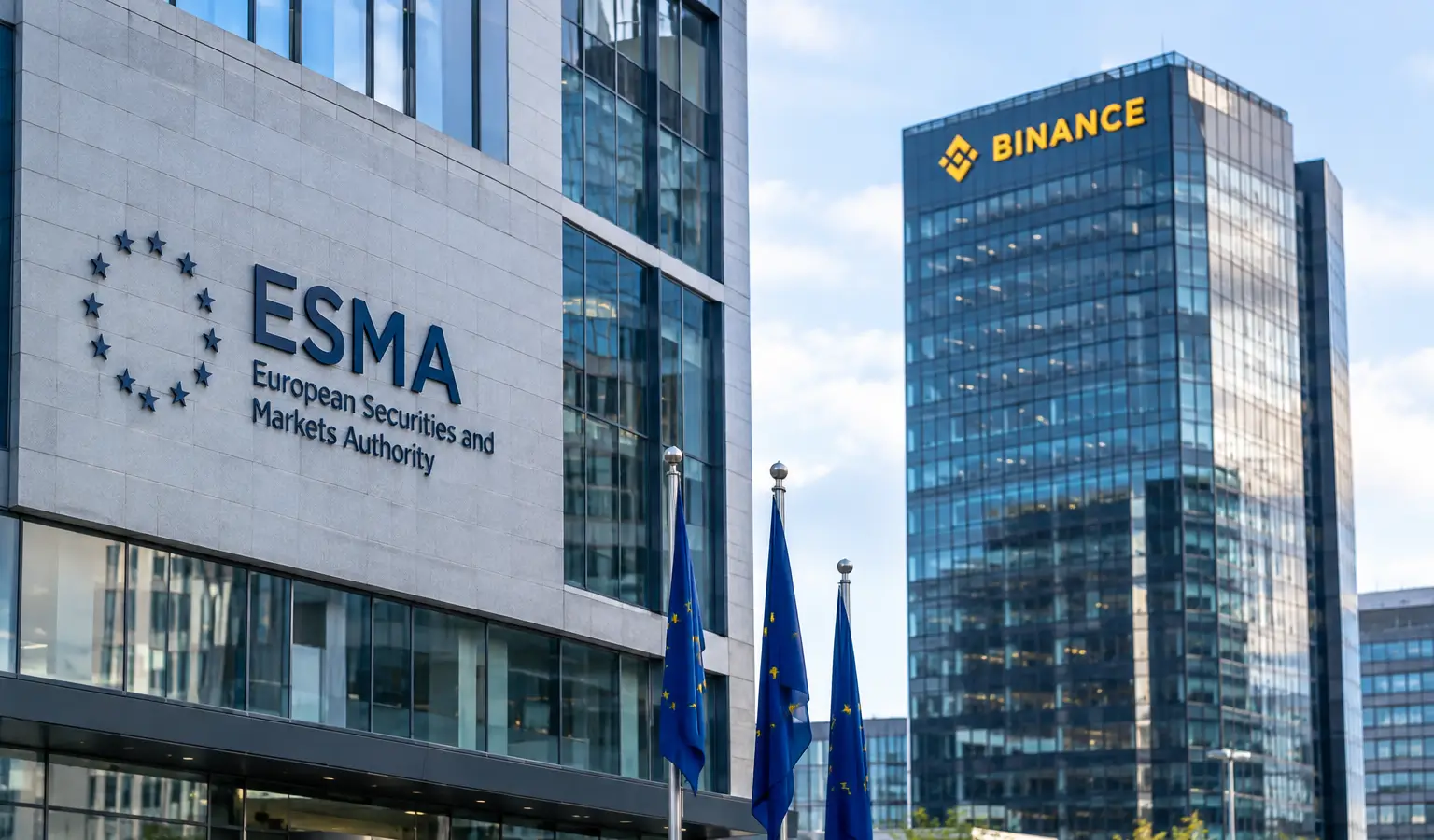
Binance Pushes Back on MiCA Rejection Claims in Europe
The exchange withdrew its Greek MiCA application and denies that EU regulators blocked it. The case puts Europe’s licensing rules and Binance’s compliance approach in the spotlight.

Key Takeaways
- Binance withdrew its MiCA application in Greece after talks with the regulator and denied that EU regulators tried to block it.
- The company told customers in several EU countries that some services will be paused and new sign-ups are being temporarily suspended.
- Binance says it wants to stay in Europe, plans to come back later with a new application, and spends more than $300 million a year on compliance.
Binance is facing fresh pressure in Europe after the crypto exchange pulled its MiCA application in Greece and rejected reports that EU regulators had shut it down. The company says it is not trying to exit the region, but instead pausing to reassess its licensing plan.
MiCA as a Test for the Market
Gillian Lynch, Binance’s head for Europe and the UK, said MiCA should be judged not just by whether the rules exist, but by how many firms actually end up under supervision. Her point reflects a bigger issue in Europe’s crypto market: MiCA is meant to create clarity, but it also has to translate into real authorizations for crypto service providers.
The framework has been in force since July 1, 2026, and requires providers across the EU to secure approval from national regulators. For exchanges operating in several countries, that means a much higher bar around transparency, disclosures, and market integrity.
Tensions Around the Greek Application
Binance withdrew its MiCA application in Greece last week after months of discussions with the regulator. Soon after, the company informed customers in several EU countries that some services would be paused and that new registrations would be temporarily suspended. That meant affected users had to be notified just before the July 1 deadline, even though Binance usually works on a longer internal timeline.
Lynch also dismissed reports that the exchange had fallen short on financial-crime compliance. She said the accounts in question were reviewed, closed, and reported to authorities as soon as Binance identified the activity. She added that claims the company ignored sanctions issues or interfered with compliance staff were completely false.
What This Means for Europe
The situation highlights how competitive Europe’s crypto market is becoming as MiCA continues to formalize the industry. With only a small portion of the thousands of registered providers already authorized, unlicensed firms could face more pressure, while larger licensed players may have more room to expand their market share. For European crypto users, that could affect service access, onboarding, and product availability, even if it is still unclear which companies will come out ahead.
Binance says it spends more than $300 million (€263 million) a year on compliance and employs more than 1,500 compliance staff worldwide. The company says it wants to remain in Europe and expects to return later with a new application.