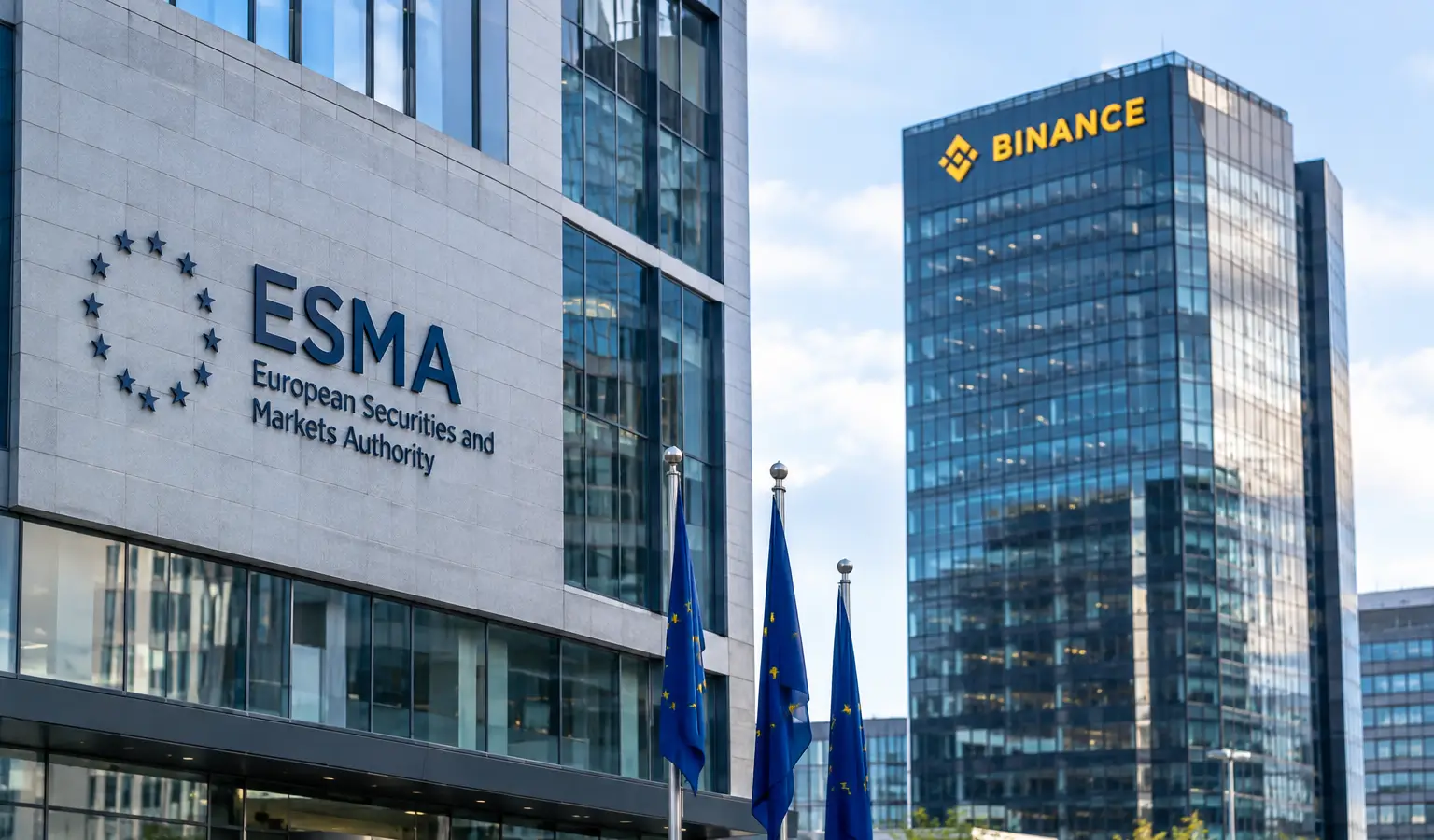

Thousands of UK Investors Sue Binance for $200 Million
The claim centers on crypto derivatives that plaintiffs say were sold to retail customers without UK approval. The case could also help shape oversight of leveraged products under the FCA.
Key Takeaways
- Nearly 1,700 UK investors have sued Binance and founder Changpeng Zhao at the High Court in London.
- They are seeking at least £150 million, or about $200 million, over crypto derivatives they say were sold unlawfully to retail traders.
- Binance says it will defend the claim; the case also touches on UK rules, earlier FCA action, and broader European questions about crypto oversight.
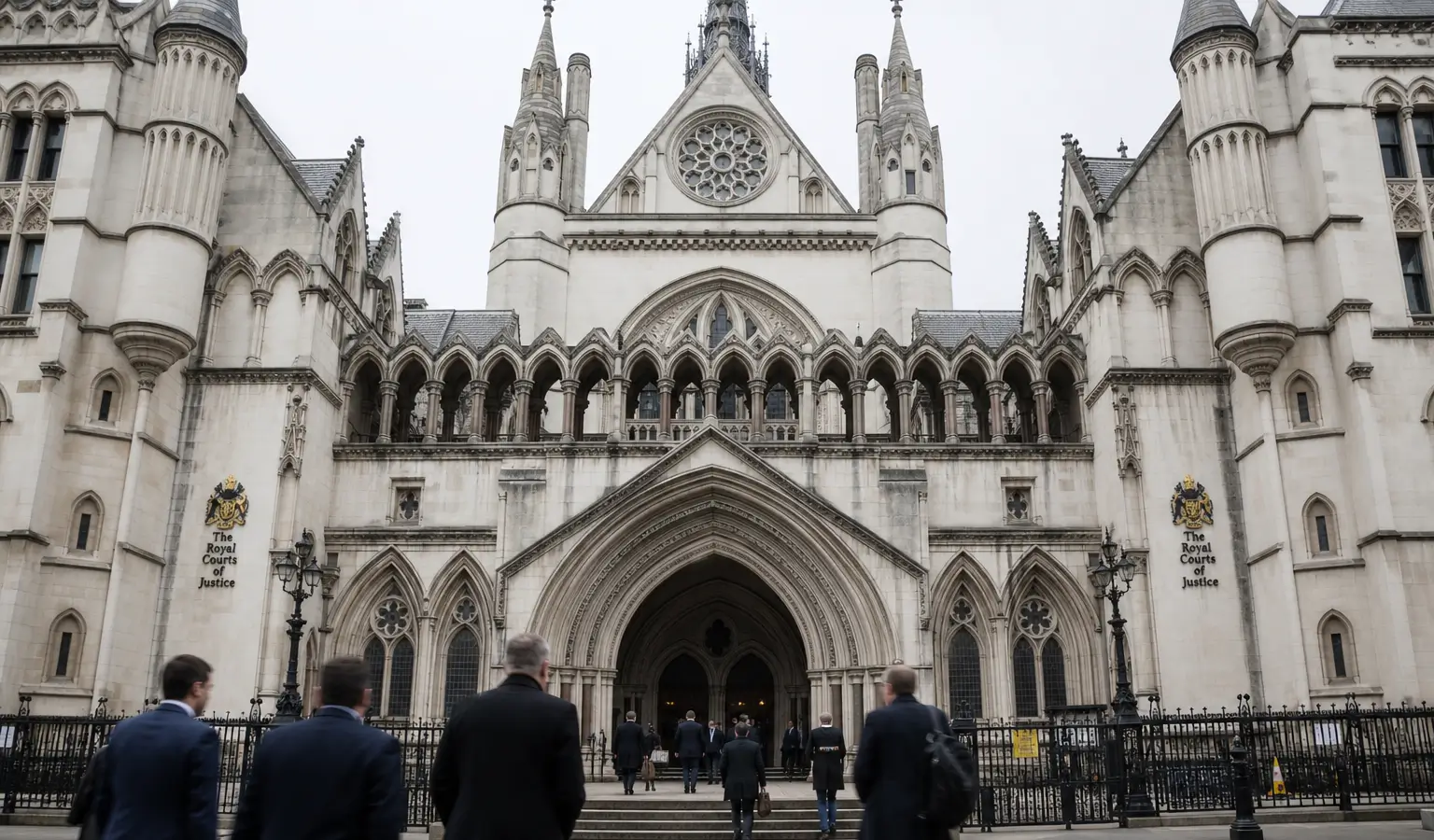
Nearly 1,700 UK investors have taken Binance and founder Changpeng Zhao, or CZ, to the High Court in London. The group is asking for at least £150 million, which works out to about $200 million (€176 million), over crypto derivatives it says were sold illegally to retail traders.
The lawsuit puts a familiar crypto question back in the spotlight: who is responsible when an exchange offers high-risk products without the proper approval? The plaintiffs say Binance marketed leveraged products to retail customers beginning in late 2019, even though it was not authorized to do so. Some investors say they lost tens of thousands of pounds after their positions moved sharply against them.
What the Plaintiffs Say
At the center of the case is the claim that Binance sold products that were never supposed to be available to retail investors under UK rules. The plaintiffs argue that this breached the Financial Services and Markets Act, which could make the transactions unenforceable. If the judge sides with them, customers may have a path to recover their deposits and losses.
That means this is about more than a single damages claim against a crypto company. It also feeds into a wider debate about accountability in crypto, especially when a platform is operating outside the scope of its licenses. For UK regulators, that issue has long been sensitive, with the balance between warnings and enforcement under constant scrutiny.
FCA and Earlier Action
The UK Financial Conduct Authority banned retail crypto derivatives in January 2021. The regulator said at the time that the products were too volatile and could lead to sudden losses, and it estimated the ban would save consumers about £53 million. Then in September 2025, the FCA relaxed the rules for crypto exchange-traded notes for retail investors, underscoring that the UK now draws a clearer line between unregulated leveraged products and regulated investment products.
Binance also had to change its UK setup in 2023 to comply with financial promotions rules. That makes the current lawsuit especially significant, because it is not only about investor losses. It also raises the question of how far a platform's responsibility extends if the sale itself may have broken the rules.
Why This Also Matters for Europe
For people following crypto regulation in Europe, the case is a useful test of how courts and regulators are approaching the sale of risky products to retail customers. The outcome could influence how similar disputes are handled in other markets, especially as regulated products and tighter licensing rules continue to exist alongside each other. That is why the case is worth watching for anyone tracking the direction of crypto oversight in Europe.
Binance says it will fight the claim and maintains that it is meeting its legal obligations. The lawsuit comes after earlier US proceedings against Binance and CZ, along with the multibillion-dollar settlement that followed. The structure of the UK case, which names Binance Holdings in the Cayman Islands and Nest Exchange in the United Arab Emirates, could also make any eventual enforcement more complicated.