Bitcoin Crash of $19 Billion Puts Leverage Back in the Spotlight
The crash was mainly driven by perpetual futures and too many bullish positions. The CFTC is also taking a closer look at leveraged trading on crypto exchanges.
Key Takeaways
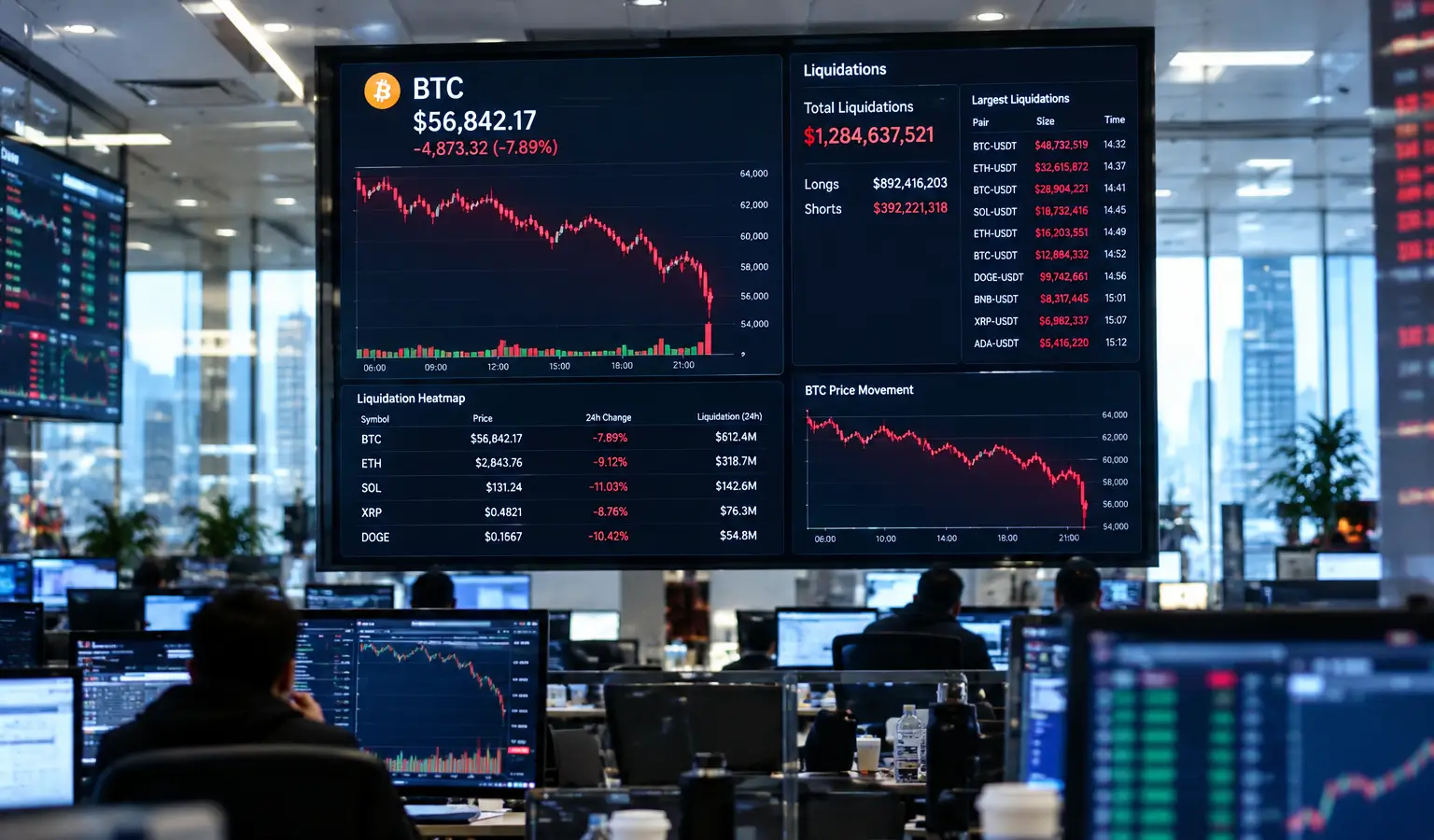
- Bitcoin fell from around $122,000 to $105,000 on October 10, 2025, triggering about $19 billion in liquidations.
- Analysts say leverage and crowded positions are still the crypto market's weak spot.
- Traders can better protect themselves by closely watching open interest, funding rates, and market sentiment.
A year after the sharp crash in October 2025, the crypto market is still facing the same question: have traders learned enough to avoid another wave of liquidations? According to analysts, the risks from leverage and crowded positions are still there, even though the tools for tracking those risks have gotten better.
What Happened in October
Bitcoin dropped sharply on October 10, 2025, from around $122,000 (€108,900) to $105,000 (€93,700), shortly after trading above $126,000 (€112,400). That move led to about $19 billion (€17 billion) in liquidations across the crypto market and caught many traders off guard who had been betting on further gains.
Mark Connors of Risk Dimensions called it a very fast and violent market top that many players did not see coming. According to him, positioning mattered then, and it still does now. He pointed out that the market was packed with bullish bets at the time, while many traders were expecting a repeat of earlier Bitcoin cycles.
Leverage Remains the Weak Spot
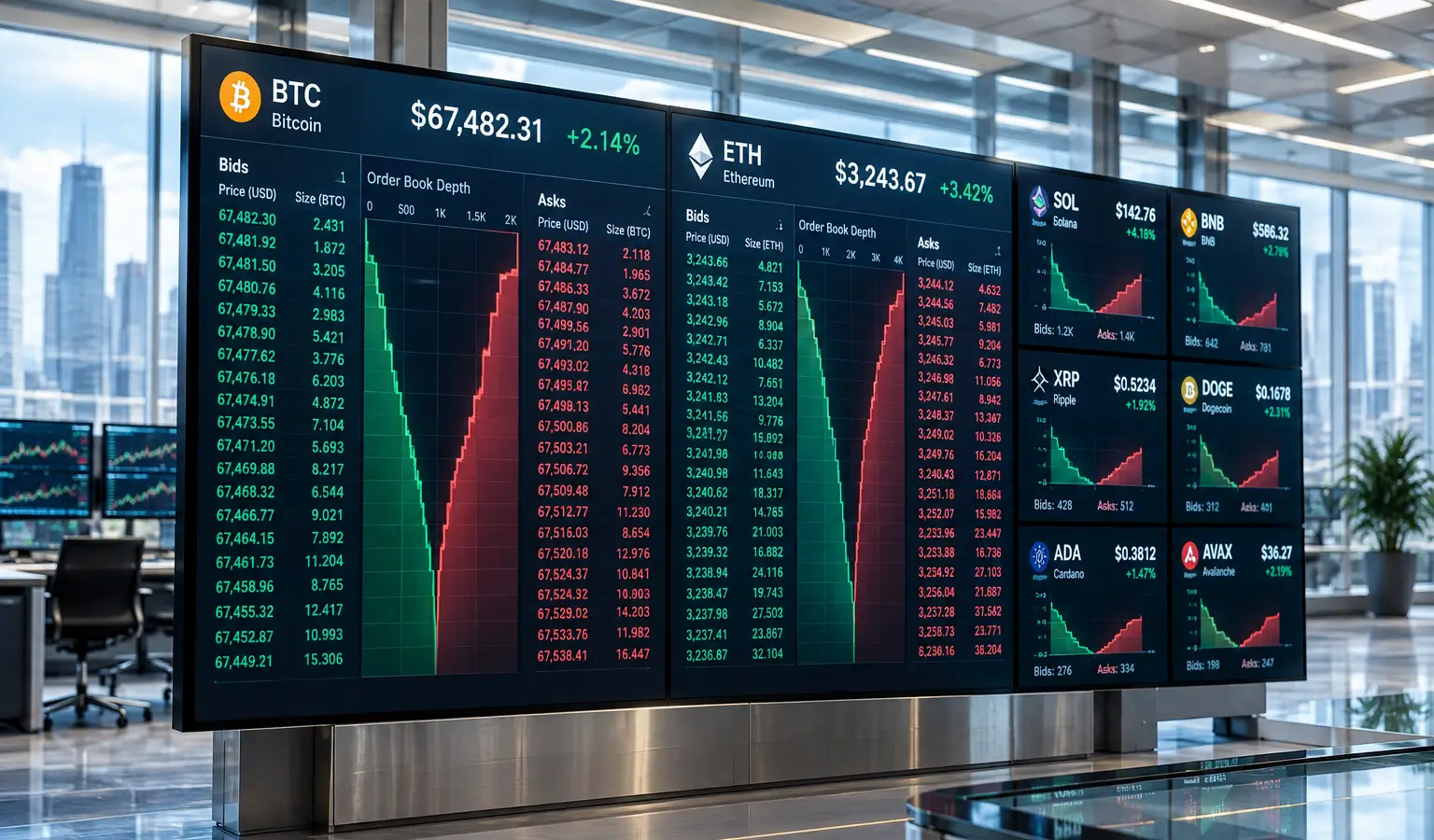
The core of the problem, according to Connors, is that the move came mainly from derivatives, not onchain data. Perpetual futures still make up a big part of crypto trading because they let traders speculate on price moves without owning Bitcoin itself. That makes the market fast, but also vulnerable when too many positions are leaning the same way.
Chris Sullivan, co-founder of Hyperion Decimus, says traders can better protect themselves by avoiding leverage and keeping a close eye on open interest, funding rates, and market sentiment. Open interest shows how many derivatives contracts are still open, while funding rates say something about the cost of holding positions in perpetual futures. Together, those signals give a better picture of how skewed the market is.
Why This Matters Now
For European crypto investors, this matters because liquidity and leverage also play a big role in Bitcoin price discovery outside the United States. The U.S. regulator CFTC is also working on proposals for a federal framework for crypto exchanges with leveraged trading, which shows that the risks around this kind of trading are becoming more important from a regulatory standpoint too. That makes the debate about market structure bigger than just Bitcoin's price.
The fallout from earlier leverage waves is still visible too: an earlier wave of liquidations showed how quickly long positions can be wiped out when the market turns.