Bitcoin Falls Below $60,000 Despite Tech Stock Rebound
The drop is tied to outflows from U.S. spot Bitcoin ETFs, a strong dollar, and Fed policy. Ethereum, XRP, and Solana also moved lower.

Key Takeaways
- Bitcoin fell below $60,000 on Wednesday and recovered to around $60,700 on Thursday, but it is still down on both a daily and weekly basis.
- Ethereum, XRP, Solana, Dogecoin, and HYPE also dropped sharply, while Tron was the only major coin to finish the week in the green.
- According to FxPro, pressure on the crypto market is mainly coming from ETF outflows, a strong dollar, and Federal Reserve policy.
The crypto market took a big hit this week, with Bitcoin slipping below the $60,000 (€52,900) mark despite a rebound in tech stocks that had added to the pressure earlier. Bitcoin fell to around $59,200 (€52,200) on Wednesday evening, but managed to climb back to about $60,700 (€53,500) on Thursday. Over the past 24 hours, the price dropped 2.9%, and it is down 5.4% on the week.
Declines Across Major Cryptocurrencies
Losses were broad among the major cryptocurrencies. Ethereum fell 2.8% to $1,616 (€1,430) and posted a weekly loss of nearly 8%. XRP dropped to $1.07 (€0.94), down 9.2% for the week, while Solana slipped to $68 (€60). The biggest losses came from Dogecoin and Hyperliquid's HYPE, which fell 11.9% and 11.7%, respectively. Tron was the only major coin to post a gain this week, rising 1.9%.
Meanwhile, AI-related stock trading, which had pressured the crypto market earlier this week, bounced back strongly. Micron, the largest U.S. memory chip maker, rose about 15% after a much better-than-expected revenue forecast, boosting confidence in AI investments. That pushed Nasdaq 100 futures up 1.8% and sparked a sharp rebound in South Korea's Kospi index, which jumped 6%. At the same time, Brent crude fell below $73 (€64) per barrel after traffic through the Strait of Hormuz resumed.
Impact of Dollar Strength and Spot ETFs
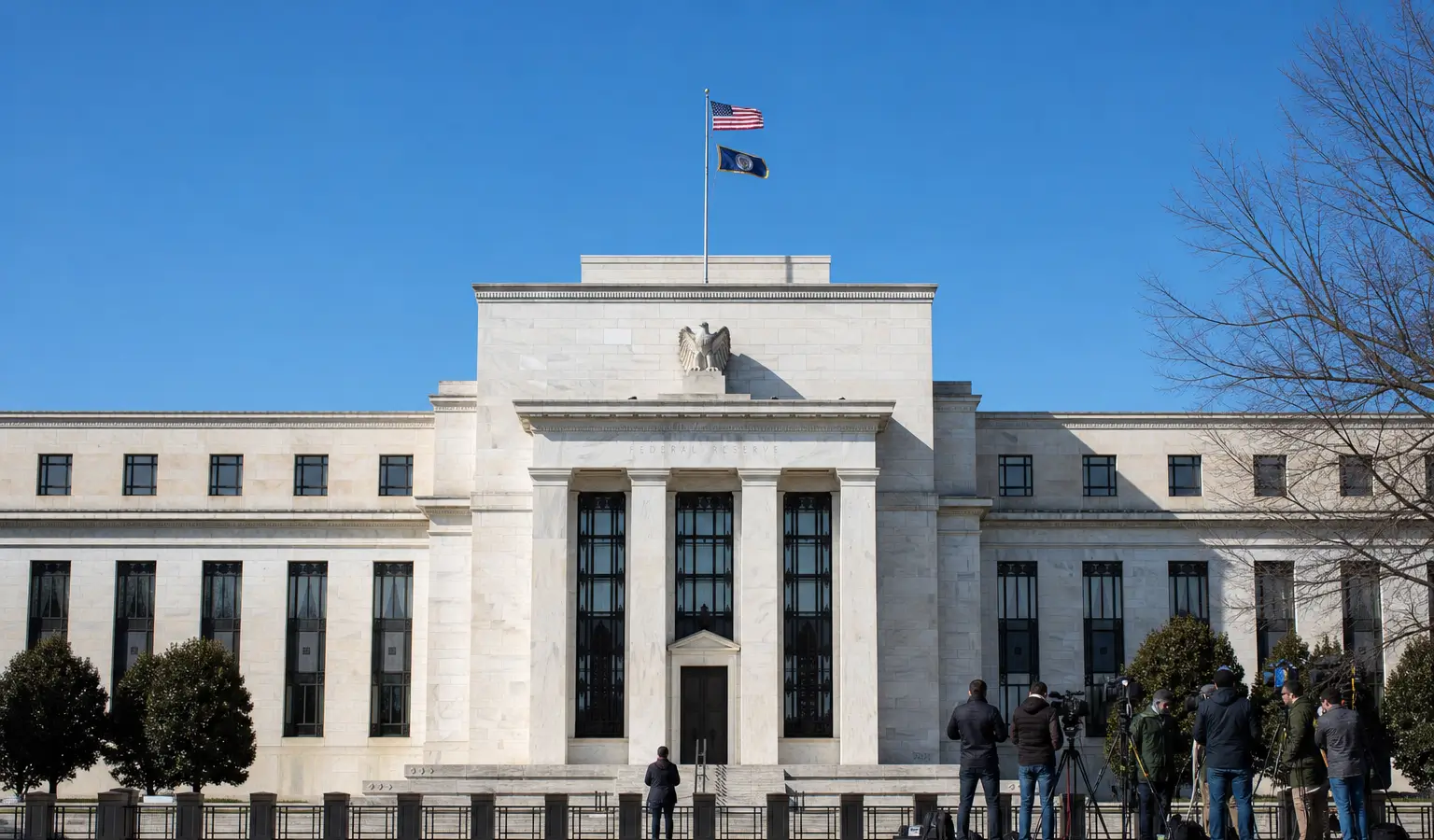
Pressure on the crypto market appears to be coming mainly from outflows from U.S. spot Bitcoin ETFs, the Federal Reserve's hawkish stance, and a strong U.S. dollar, according to Alex Kuptsikevich, chief market analyst at FxPro. A stronger dollar makes dollar-priced assets like Bitcoin more expensive for foreign buyers, which can weigh on demand.
Bitcoin is also sitting close to its 200-week moving average, a key long-term trend indicator. Historically, this line has often marked the bottom of past bear markets, with weakness sometimes lasting for a long time. FxPro warns that this could point to a prolonged crypto winter, with a longer stretch of low prices instead of a quick recovery.
The next test is around $61,800 (€54,500) to $62,000 (€54,700), a zone with a lot of open orders that could shape the price action. A break lower could send Bitcoin toward $55,000 (€48,500), which is seen as a possible cycle bottom. Kuptsikevich says risk management matters more right now than chasing price moves.
The market is also waiting for upcoming U.S. inflation data. High inflation could further support the hawkish Federal Reserve and the strong dollar, which would be negative for crypto. Lower inflation, on the other hand, could offer some relief. For now, the crypto market is reacting less to oil and war-related headlines and more to ETF outflows and weak demand, despite the rebound in stocks.
Why This Matters for European Crypto Investors
For European crypto investors, the combination of a strong dollar and developments around U.S. spot Bitcoin ETFs could matter a lot. These factors affect global demand and price pressure on Bitcoin and other major cryptocurrencies, which can also impact European trading platforms and investment decisions. The situation also highlights the importance of careful risk management during what could be a longer stretch of price volatility.