Maxine Waters Pushes Back on Crypto in U.S. 401(k) Retirement Plans
Waters says crypto is too risky for 401(k) savings while the SEC is still working on investor protections. The debate also reaches private equity, real estate, and MiCA in Europe.
Key Takeaways
- Maxine Waters is pushing back against a proposal to open 401(k) retirement plans to alternative investments, including cryptocurrency.
- She is asking the U.S. Department of Labor to withdraw the proposal because of risks to everyday investors and the volatility of digital assets.
- The debate matters for European policymakers too, who see similar challenges with crypto in traditional savings products.
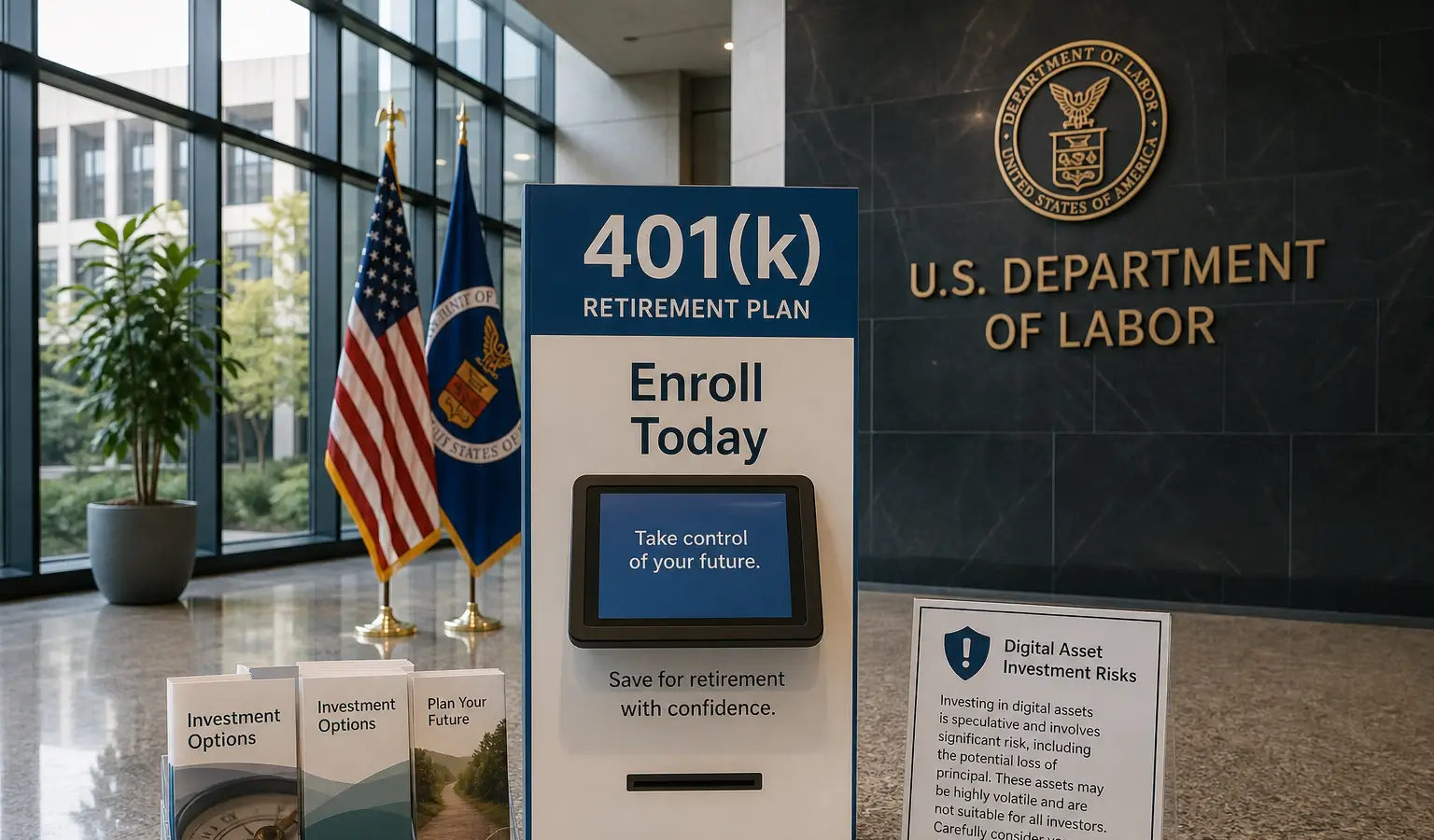
Maxine Waters, a leading Democratic member of the U.S. House of Representatives, is pushing back against the U.S. Department of Labor's proposal to let 401(k) retirement plans include alternative investments such as cryptocurrency. Waters, who could soon return as chair of the House Financial Services Committee, sent a detailed letter urging the department to scrap the plan over what she sees as risks for everyday investors.
Criticism of Digital Assets in Retirement Funds
In March, the Department of Labor floated a rule that would encourage 401(k) plan managers to consider alternative assets such as private equity, real estate, commodities, and digital assets. The proposal followed an executive order from former President Donald Trump. In her letter, Waters argues that it makes little sense to treat digital assets as appropriate for retirement savings while the Securities and Exchange Commission (SEC) is still working on a framework to protect investors. She also points to the sharp swings in token prices and the broader slump across the digital asset market, where trading activity and user engagement have both cooled.
Regulation and Oversight in the U.S.
The House Financial Services Committee does not directly oversee the Department of Labor, but it does have jurisdiction over the SEC, which handles investment regulation. Waters says the digital asset market is still operating without a federal framework and has already caused significant losses for investors. The proposed policy would lay out safe procedures for fiduciary managers to assess alternative investments based on factors such as performance, costs, and liquidity, but concerns about the safety and transparency of digital assets remain high.
The debate also connects to wider questions in Washington about how much protection the industry should have. For instance, several groups recently warned that broader exemptions in the CLARITY Act could make it harder to enforce rules against illegal crypto activity.
Relevance for European Investors
The U.S. debate over adding crypto to retirement plans could also resonate with European investors and policymakers. It underscores the challenges that come with bringing new, volatile investment products into traditional savings products. European regulators are watching similar developments closely, especially as MiCA regulations take effect and the crypto market continues to move across borders.