Bitcoin Miners Drop 20% as AI Rally Cools
According to 10x Research, miners are increasingly trading in line with semiconductors and AI infrastructure. Bitcoin itself stayed mostly steady around $63,000.
Key Takeaways
- Bitcoin mining stocks fell about 20% as enthusiasm around AI and chips cooled.
- According to 10x Research, miners are increasingly trading with semiconductors and AI infrastructure, not just Bitcoin.
- Bitcoin mostly held near $63,042 and kept support at $58,115, while mining stocks sold off more sharply.
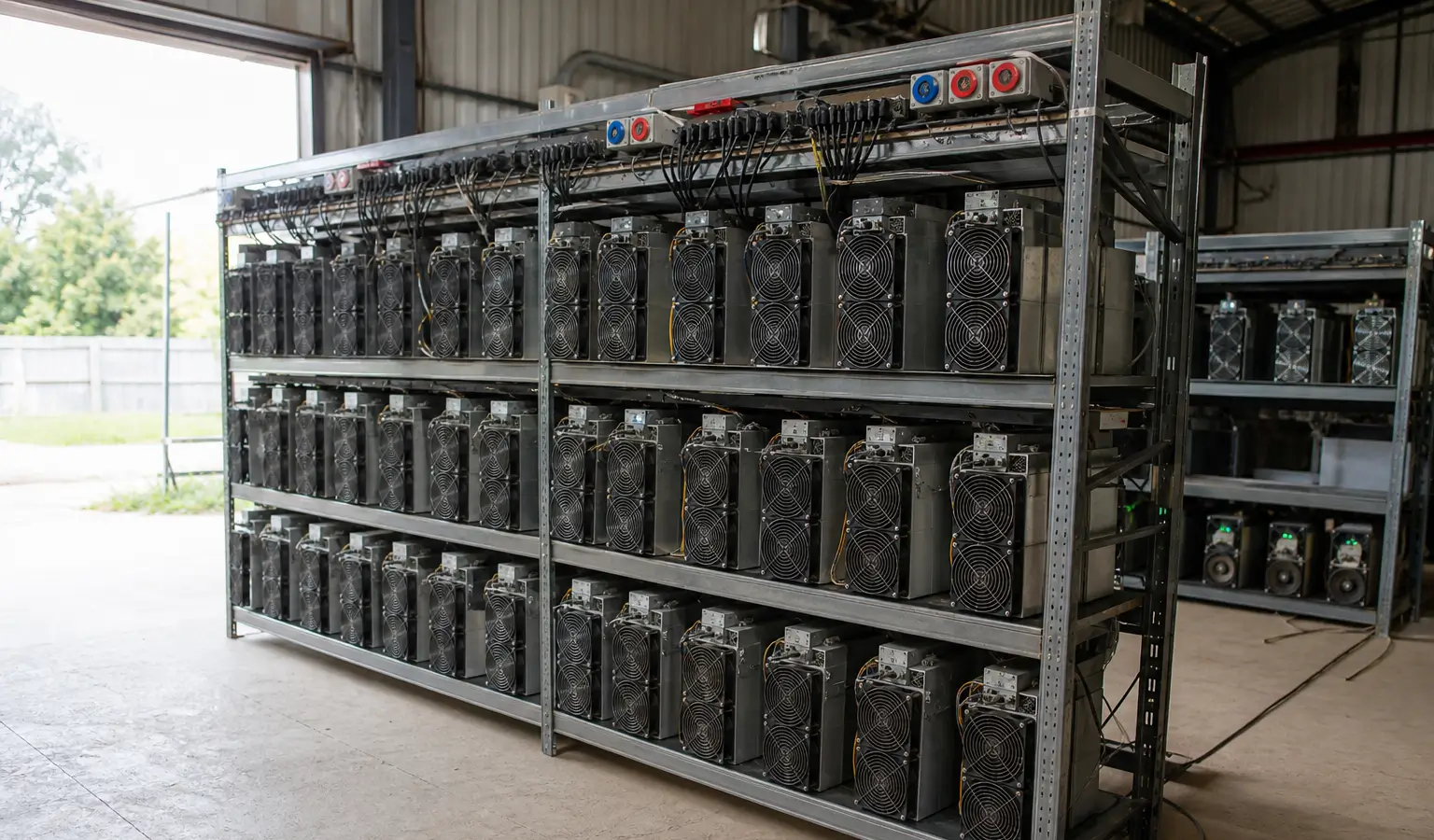
Bitcoin mining stocks have fallen roughly 20% in a short stretch as the AI and chip trade loses steam, while Bitcoin itself has held up much better. In a July 7 report from 10x Research, the firm said miners are starting to behave less like simple Bitcoin proxies and more like names tied to AI infrastructure and the semiconductor supply chain.
Miners Are Moving With Chips
10x Research says the sector has now given back gains almost as quickly as it built them. Since April 2026, Riot Platforms has tracked closely with the SOX ETF, the main semiconductor benchmark, and both have recently pulled back from their highs at the same time. In the firm’s view, mining stocks are no longer driven mainly by crypto headlines, but increasingly by chip supply, computing capacity, and the broader AI narrative, according to 10x Research.
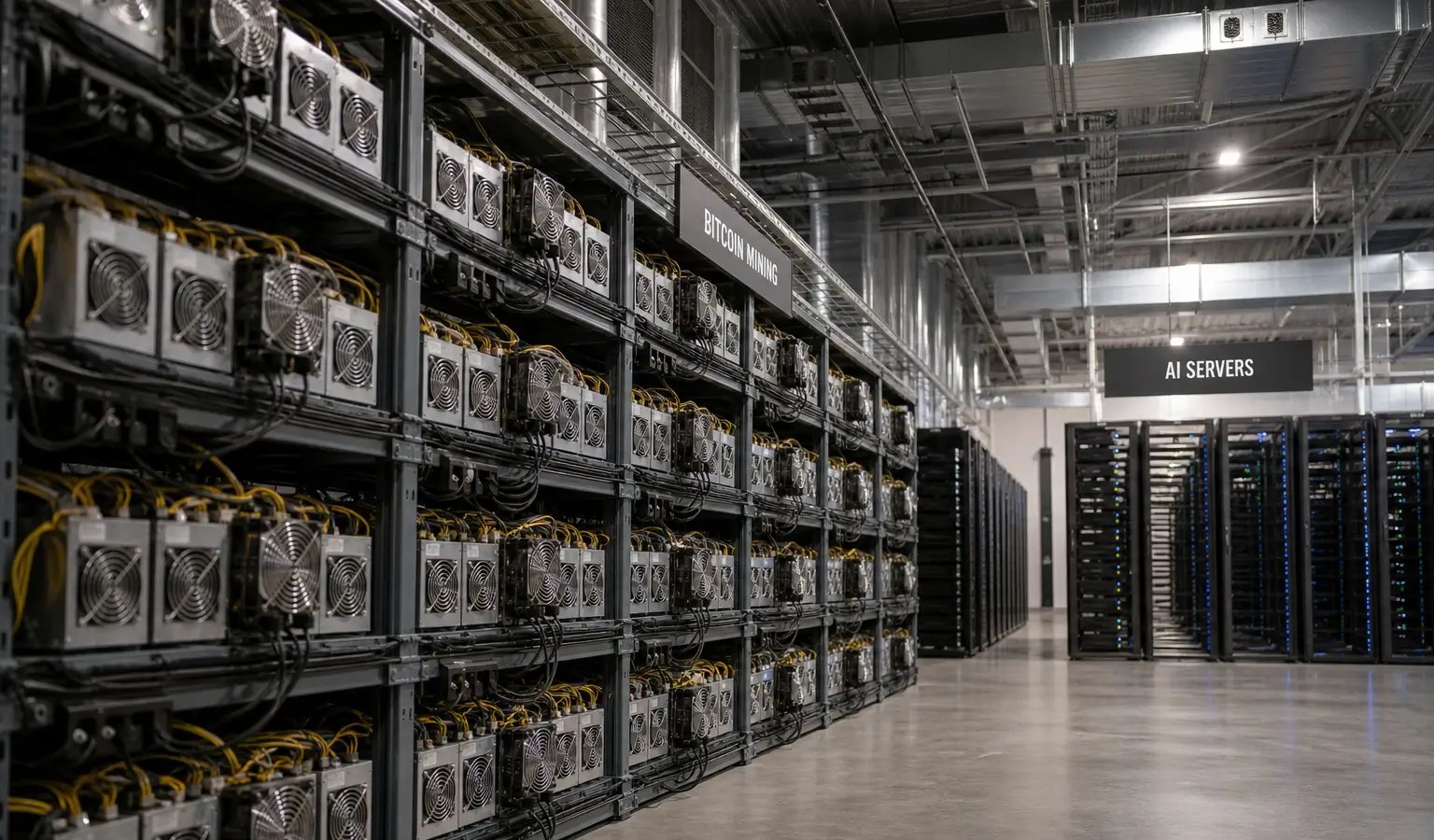
That lines up with a broader shift in the industry. More Bitcoin miners are putting their existing assets, including power contracts and data centers, to work on AI and high-performance computing jobs. Public miners have already announced more than $70 billion (€61.2 billion) in combined AI and HPC contracts, which is making valuations more dependent on that revenue stream. For some companies, that change is also driving bigger stock moves, including IREN, which the market now values both as a Bitcoin miner and as an AI compute business.
Bitcoin Is Still Holding Up, For Now
For Bitcoin holders, the main point is that miners are no longer moving as tightly with BTC as they once did. 10x Research cautions that this new link to AI and semiconductors cuts both ways: if chip sentiment weakens, mining stocks can drop hard even if Bitcoin itself does not follow.
That split showed up again this week. Samsung fell 6% on Tuesday despite a forecast for a 19-fold increase in profit, underscoring how quickly chip sentiment can turn. Meanwhile, Bitcoin traded around $63,042 (€55,100) and stayed above support at $58,115 (€50,800) after an early July dip.
Why This Matters
For European crypto investors, the shift matters because mining companies are being priced less as pure Bitcoin plays and more as part of the AI infrastructure trade. That can make the sector harder to read for investors who still think of miners as a direct stand-in for BTC. It also raises a bigger question for Bitcoin itself: if more computing power moves toward other workloads, what does that mean for network security over time?