Bitcoin Mining Makes a Comeback, But Profits Are Still Hard to Come By
Companies like GoMining and Sazmining are making professional mining more accessible again, but high hashrate and the halving are squeezing margins. Big miners are meanwhile looking more often at AI data centers for revenue.
Key Takeaways
- Bitcoin mining is getting attention again as platforms give regular people access to professional mining setups.
- For individual miners, making a profit is still tough because of high costs, a high hashrate, and the lower block reward after the halving.
- Big miners are partly shifting to AI data centers, while European investors should mainly watch electricity prices and payback time.
Bitcoin mining is getting attention again now that platforms are giving regular people access to professional mining setups. Still, making a profit remains tough. While big miners are increasingly looking at AI data centers, the math for individual miners is still tight because of high costs and a stubbornly high hashrate.
Retail Mining Is Making a Comeback
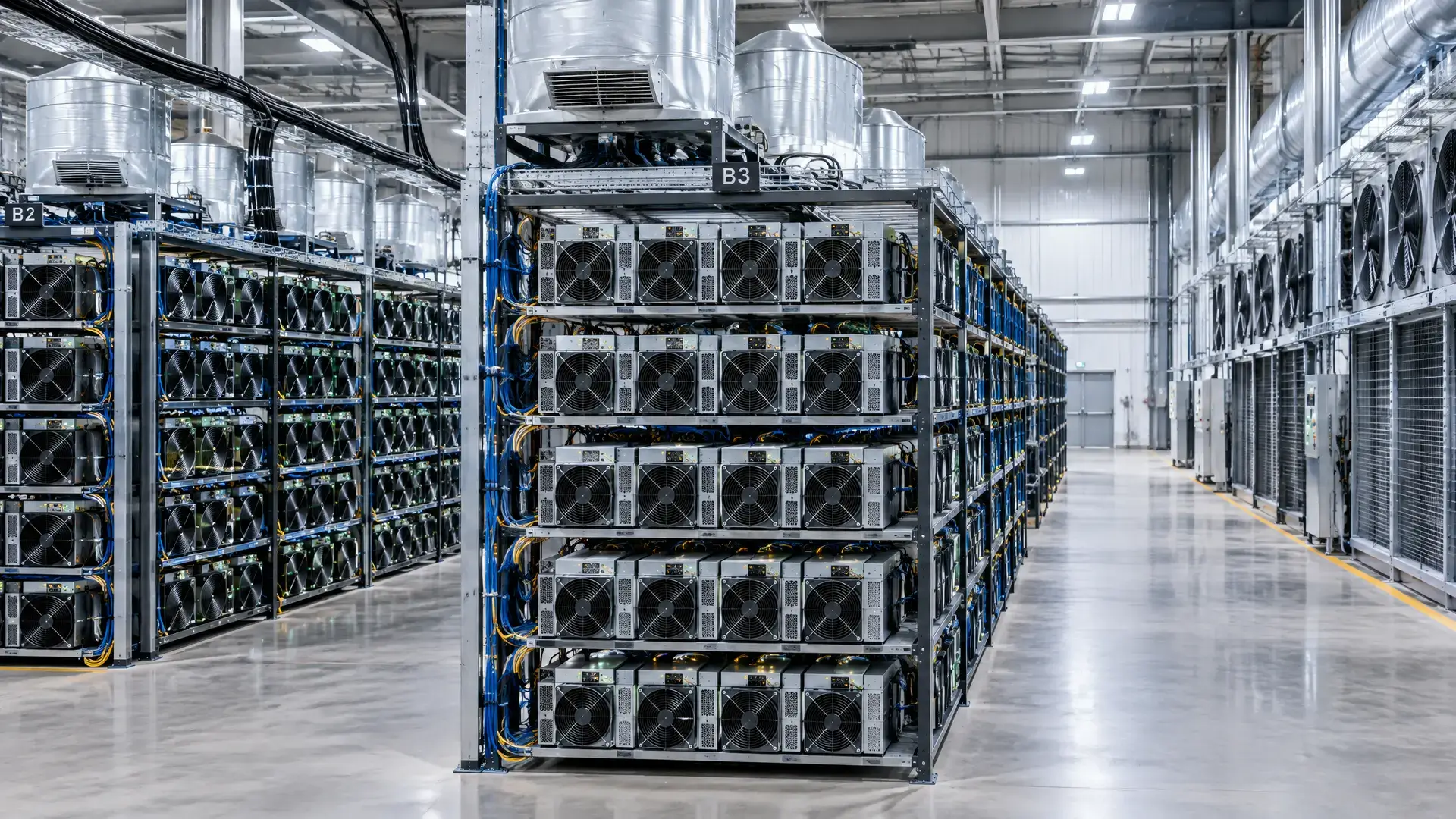
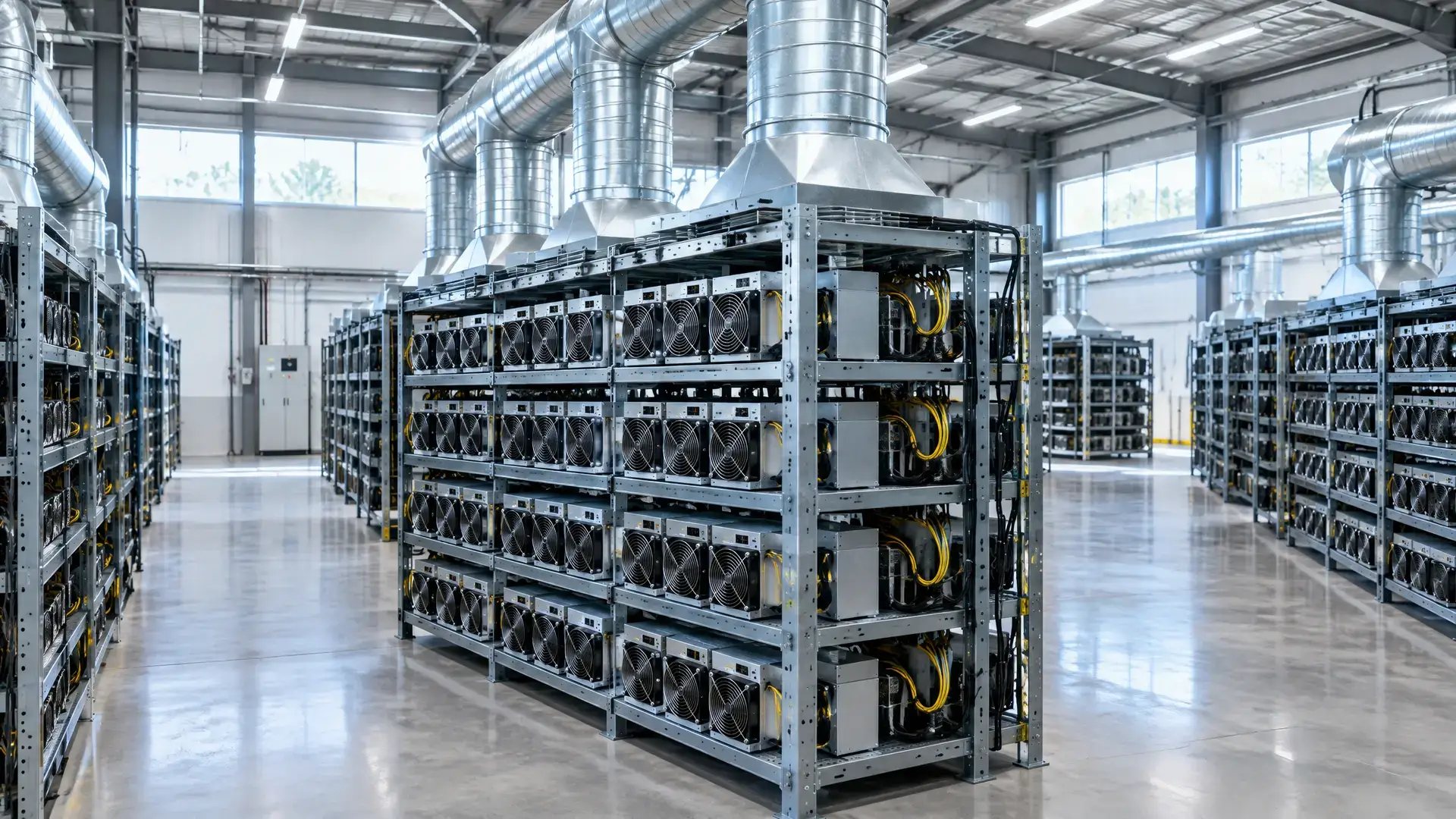
In Bitcoin's early days, people could mine coins with a regular computer. That landscape has changed completely since then. Mining is now mostly an industrial business with large farms, specialized cooling, and sharp electricity deals.
Even so, companies like GoMining, KuMining, and Sazmining are trying to let regular people join in again. They offer access to professional mining setups without anyone having to run expensive machines at home. According to Ivo Georgiev, founder and CEO of crypto wallet company Ambire, it is still hard for an individual miner to make money. He mined Bitcoin himself in 2011, when he was still in high school.
AI Pushes Miners Toward Other Revenue
The renewed interest comes at a time when some large miners are shifting their focus to AI computing. Instead of relying only on mining rewards, they rent out computing power to tech companies. That feeds the idea that there will be less competition left on the Bitcoin network, but that effect is not guaranteed.
The hashrate recently stood at around 1.09 zettahash per second, almost the same as about 1.13 ZH/s a year earlier, according to Hashrate Index. Hashrate is the total computing power on the blockchain, and it has actually risen again over the past two months. GoMining CEO Mark Zalan also said that equipment can simply be resold to other miners, which means they are still competing for the same rewards.
The April 2024 halving cut the block reward from 6.25 BTC to 3.125 BTC. That effectively made mining each coin more expensive. It makes the sector extra sensitive to electricity prices, hardware efficiency, and network difficulty, three factors that heavily shape miners' margins.
The profitability of individual miners is also still under pressure. Grayscale recently pointed out that alternative coins can temporarily bring in more for some operators than Bitcoin, precisely because mining margins shift so quickly.
Why This Matters for European Readers
For European crypto investors, this shows that Bitcoin mining is not just about the BTC price, but also about operating costs and access to cheap power. Sazmining and KuMining offer examples where the payback period can still be long, even if coins mined through mining sometimes seem cheaper than buying directly on an exchange. That makes the sector relevant for anyone following the broader infrastructure behind Bitcoin, especially now that AI demand and energy costs are colliding in the market.