Bitcoin Holds Near $62,000 as RHODL Compression Signals Rotation
Glassnode says the RHODL ratio may be signaling a rotation from older Bitcoin holders to newer ones, while the market stays stuck around $60,000 to $80,000. Fed policy remains a key risk.
Key Takeaways
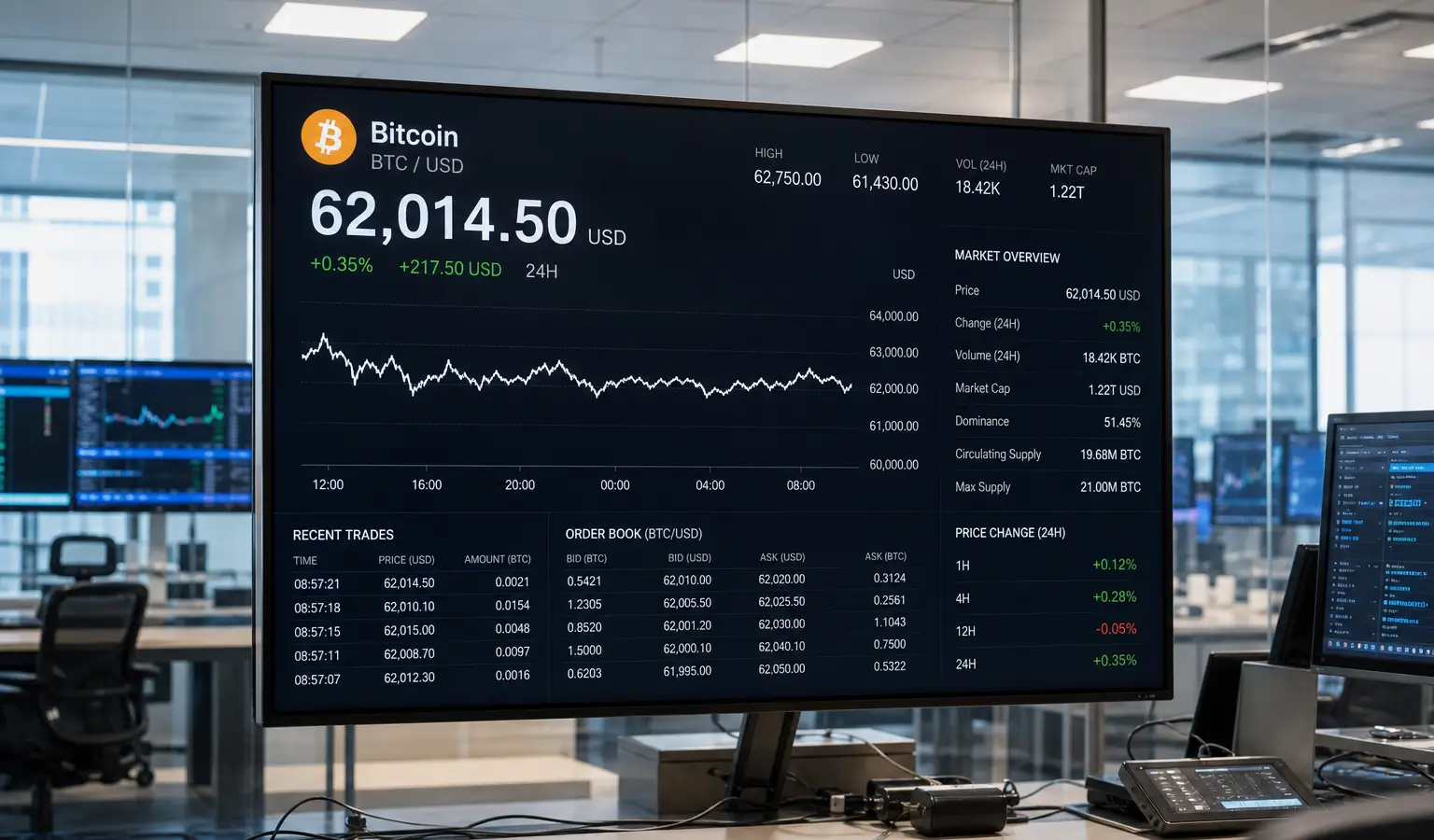
- Bitcoin is trading around $62,000 and has been moving sideways for five months between $60,000 and $80,000.
- The RHODL ratio has dropped from 6.5 to below 6, pointing to a gradual transfer of supply.
- The Federal Reserve remains a risk, since the market is pricing in 50 basis points of tightening over the next six months.
Bitcoin is still trading near $62,000 (€54,300), which leaves it roughly 50 percent below the October 2025 all-time high of almost $124,000 (€108,500). For the past five months, the price has mostly drifted between $60,000 (€52,500) and $80,000 (€70,000), and the broader crypto market has been unusually quiet. Even so, one closely watched onchain signal suggests this calm may be masking a larger rotation beneath the surface.
RHODL Ratio Keeps Falling
Glassnode’s RHODL Ratio, which compares the value of recently moved coins with coins that have been dormant for longer periods, reached 6.5 in early July. That was the second-highest reading ever in Bitcoin’s history. Since then, the metric has slipped below 6, even as the price has held up instead of breaking lower.
That looks very different from 2022, when the ratio fell alongside price during the FTX collapse and Bitcoin slid toward $15,000 (€13,100). This time, the setup looks more like a slow handoff of supply, with long-term holders who accumulated in 2023 and 2024 selling some of their coins to newer buyers who see current levels as appealing. In Wyckoff terms, that fits a distribution phase, where seasoned market participants reduce exposure while fresh capital steps in. It also matches the recent behavior of long-term holders, who have shifted back to net accumulation around current prices after a period of selling.
Glassnode treats the RHODL Ratio as a cycle gauge. It compares the realized value of coins moved over the past week with the realized value of coins that have been held for one to two years. The ratio alone does not explain the market’s direction, but it can help show whether older coins or newer flows are driving activity.
Why This Matters
For European crypto investors, the main point is that a long stretch of consolidation does not necessarily mean the move is over. Similar setups near the lows in 2015, 2019, and 2023 also came before a clearer reversal, after the RHODL ratio had already compressed. That makes the current phase worth watching for anyone using onchain data as a complement to price action.
Fed Still Poses a Risk for Bitcoin
At the same time, the macro backdrop is still a drag on sentiment. Markets are currently pricing in 50 basis points of tightening by the Federal Reserve over the next six months. A rate hike could still trigger another leg lower, although the current data does not make that outcome certain.