Bitcoin price: 3 possible scenarios for 2023
Where is Bitcoin price headed this year?

Where is Bitcoin price headed this year? Below are three potential scenarios for the number-one crypto: 10,000, 30,000, and 60,000 US dollars.
Despite the current price rebound, several paths remain possible. Upcoming regulation in the US and the fallout from crypto banks like Silvergate, Silicon Valley Bank, and Signature are weighing on sentiment. Still, positive news could quickly shift sentiment, leaving many investors wondering: what can I actually expect from the price this year? Of course, predicting it is impossible, but certain factors let us outline a few theoretical scenarios.
So here are three that could affect Bitcoin this year. We’ll skip technical analysis. Instead, we focus on the macro environment, monetary policy, regulation, and sector-specific factors.
Note: these are three potential scenarios!
The worst-case scenario: Bitcoin at $10,000:
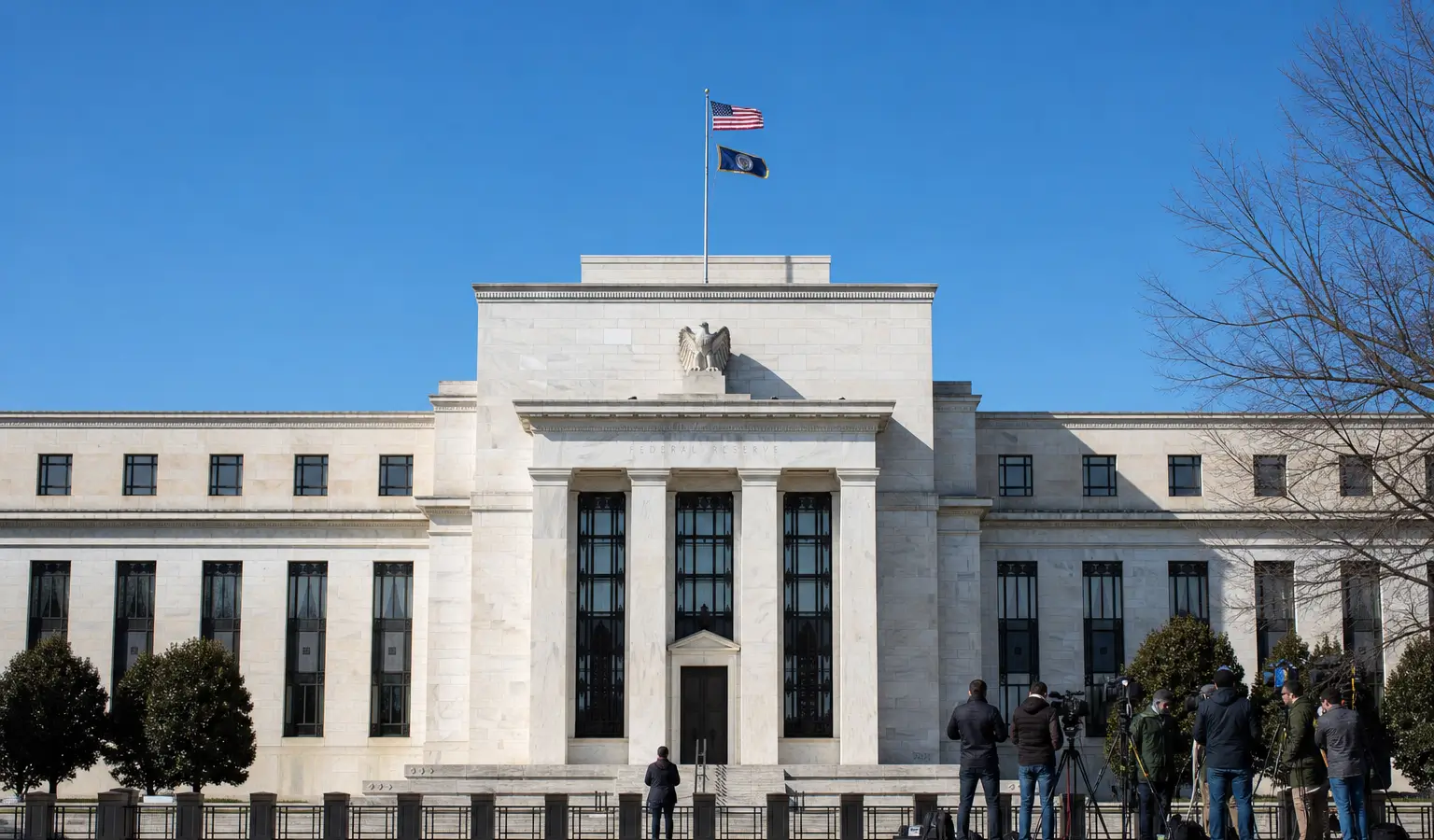
Inflation in the Western world won’t stop falling. At the same time, rising living costs are squeezing many households. That lowers disposable income and these households sell liquid assets like crypto. The U.S. Federal Reserve and the European Central Bank shock markets with rate hikes that stay well above expectations and persist into 2023 without relief in sight.
There’s also the current regulatory crackdown in the US. U.S. regulators keep pushing for most cryptocurrencies to be regulated as securities. Meanwhile, many US crypto firms can’t find banks willing to take on client relationships, leading to the closure of several crypto services that offer coin staking.
Solvencies in the crypto sector follow, eroding trust. Additionally, EU voices are growing for a proof-of-work ban. European firms could be barred from offering “climate-unfriendly” cryptocurrencies.
The base case: Bitcoin at $30,000
Inflation in the Western world only gradually eases. There are no further spikes in energy costs or supply-chain bottlenecks weighing on households. The labor market remains steady. Yet a small technical recession lingers in the US and Europe. Major central banks raise their policy rates one last time in the autumn (up to around 5.75% in the US and 4.5% in the eurozone) and signal no near-term hikes.
The flood of crypto regulation in the US eases by summer, and higher standards are agreed upon. Firms get enough time to gradually meet tougher requirements. No further scandals or big crypto-bankruptcies. Moderate uncertainty among retail and institutional investors remains, but there’s no big outflow from the crypto space.
The best-case scenario: Bitcoin at $60,000
Inflation plunges in April, while labor-market indicators like demand for workers weaken. A strong dollar fuels global concerns about international lending and defaults. Meanwhile, US real estate prices fall. After the liquidation of Silicon Valley Bank, Silvergate, Signature, and other lenders, the Fed no longer expects higher rates for households and businesses.
By late April, the Fed signals no further rate hikes for now. In May, easing is planned. By June, inflation lands at just 2.4%. Fed Chair Jerome Powell announces the first rate cuts for July, which the market had already priced in by late April. Western workers enjoy the highest wage gains in years, supported by new tax cuts and stimulus programs for sustainable investments and consumption. Rising stock prices spur more risk-taking and speculation among investors.
New impulses also come from Asia. China again allows its citizens to trade cryptocurrencies via Hong Kong and balances that with cautious language. There are also rumors that two large sovereign funds plan to invest a small portion in crypto in the future. The result of this scenario? A remarkable Bitcoin rally. What the future holds, nobody knows. What we can do is monitor the latest economic news and adapt accordingly.