Morgan Stanley Sees Six Signals That the Crypto Winter Is Ending
Morgan Stanley points to Bitcoin, mining data, and exchange stress as possible turning points. The bank does not see the market recovering yet, but it does see a phase that has historically often come before a new cycle.
Key Takeaways
- Morgan Stanley Wealth Management sees six historical signals that often appeared at the end of a crypto winter.
- Denny Galindo calls Bitcoin the main gauge, but stresses that the analysis is not a prediction.
- The analysis points to cycle length, exchange stress, the drop from the top, Bitcoin difficulty, thermocap multiple, and recovery from the bottom.
Morgan Stanley Wealth Management sees six signals that have historically often appeared at the end of a crypto winter. In Denny Galindo's analysis, Bitcoin is central as the gauge for the next phase of the cycle, although he stresses that this is not a prediction but a set of indicators to watch.
Six Signals on the Radar
Galindo describes the crypto market as a four-year cycle with three years of bull market and then a bear market lasting 12 to 14 months. According to him, crypto spring historically often starts quietly, with steadier prices while public attention is still low.
That is why he looks at six signals that have shown up around such turning points before. These are cycle length, stress at large exchanges and institutional players, the depth of the drop from the previous top, Bitcoin difficulty, the thermocap multiple, and a recovery in price from the bottom.
Some of those signals already seem visible now. According to his analysis, September is 17 months before the next halving and 11 months after the previous peak. He also points to BitMEX, which announced in July that it would shut down in September.
Bitcoin Remains the Gauge
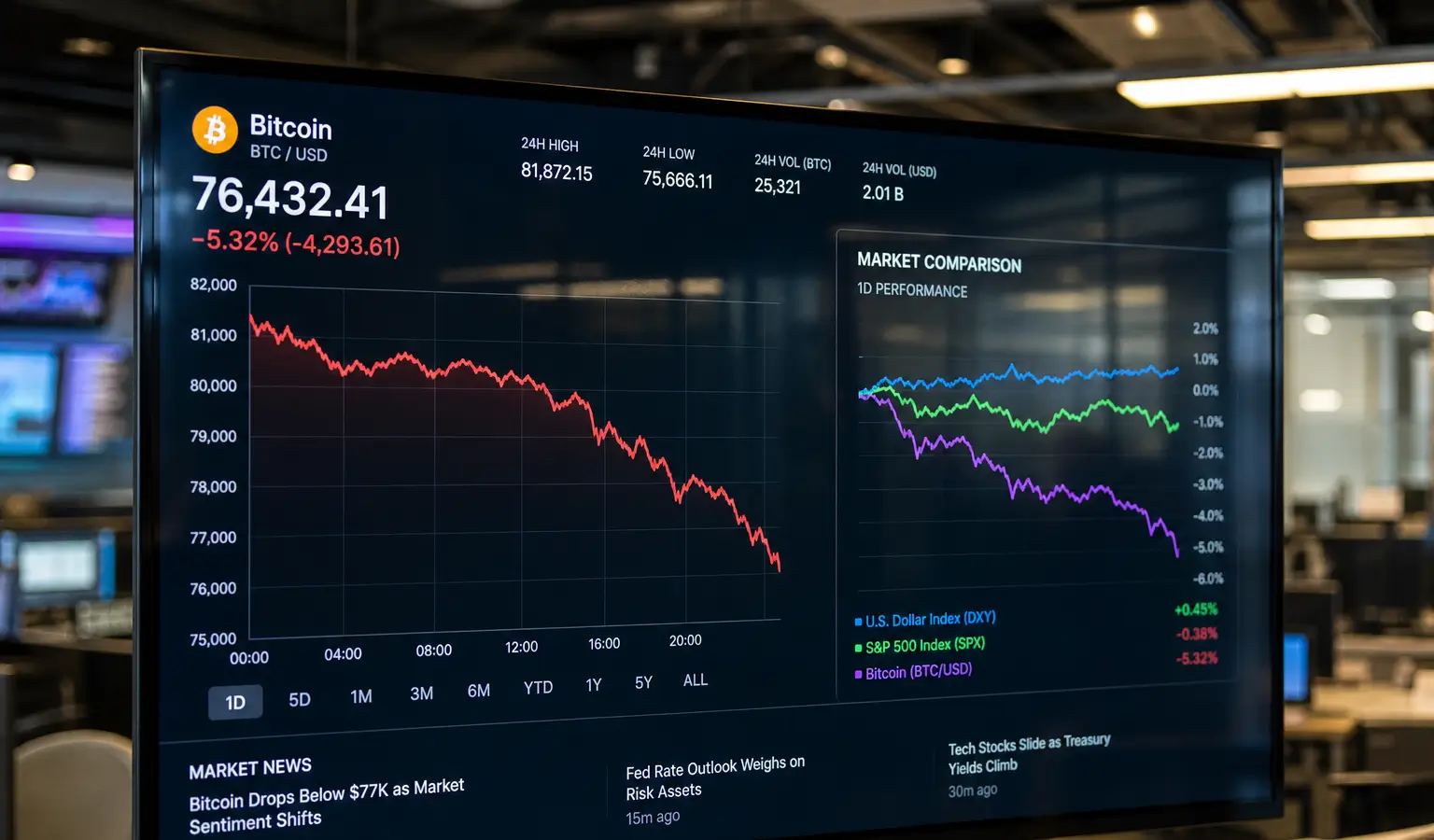
According to Galindo, the biggest crypto asset has not fallen as far as it did in earlier winters. He cites a 53% drop from the top between October 2025 and the end of June 2026, while earlier crypto winters often went deeper.
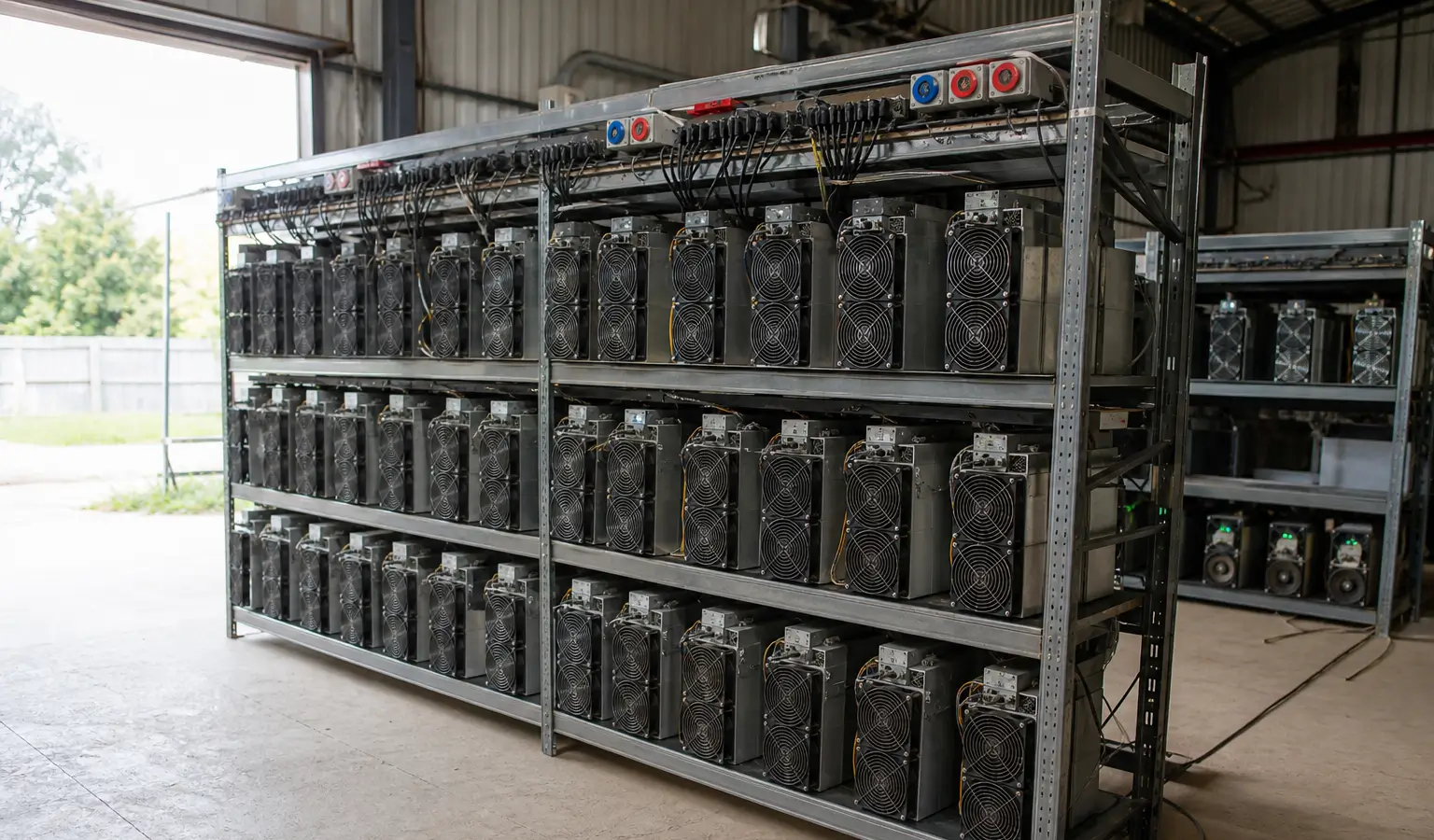
The mining side also gives a mixed picture. Bitcoin difficulty has fallen, but it has not recovered yet. That fits a broader trend in which less efficient miners drop out when profitability comes under pressure. The web context also points out that difficulty fell about 19% to 20% between November 2025 and July 2026, and that hashrate dropped 4% in Q1 2026, the first quarterly decline since 2020.
Galindo also mentions the thermocap multiple, a metric that compares Bitcoin's market value with the total dollar value ever paid to miners. According to Glassnode, that ratio fell to 13 times as of June 30, 2026, still above the single-digit levels that marked earlier winters.
Why This Matters for Europe
For European crypto investors, the main takeaway is that big players are not just seeing the current phase as a sentiment story, but as a cycle that has historically repeated itself more than once. That makes Bitcoin and mining data more important than just the day-to-day price move. The analysis also shows that institutional players are increasingly looking at signals from the infrastructure, not just price and volume.
Galindo also raises a broader question that he thinks could keep shaping the next cycle: whether AI has now become the dominant speculative and disruptive tech narrative. That is not a call on price, but it does suggest that crypto now has to compete again with other themes in institutional allocation.
The mining sector is also feeling pressure from that shift. Bitcoin miners gain an edge from AI power shortages in the US shows how scarce power connections and AI demand can actually make existing mining sites more valuable.