Bitcoin Rally Faces Pressure From Rising Japanese Yields
Rising 10-year yields in Japan, the U.S., and Europe are making bonds more attractive and putting pressure on Bitcoin’s recent rebound. The unwind of the yen carry trade could also affect liquidity.
Key Takeaways
- Bitcoin is facing pressure as higher Japanese yields tighten financing conditions worldwide.
- Japan’s 10-year government bond yield rose to 2.85%, its highest level in 30 years, while U.S., German, and U.K. yields are also moving higher.
- As government bonds offer better returns, Bitcoin’s recent rally could become harder to sustain.
Bitcoin is hitting a new wall after its recent rebound. Higher Japanese yields are tightening financial conditions across markets and could take some of the support out of risk assets. Even after gaining 8% in less than a week, the largest crypto is now facing a backdrop of rising yields in Japan, the U.S., and Europe.
Japan Is Setting the Tone
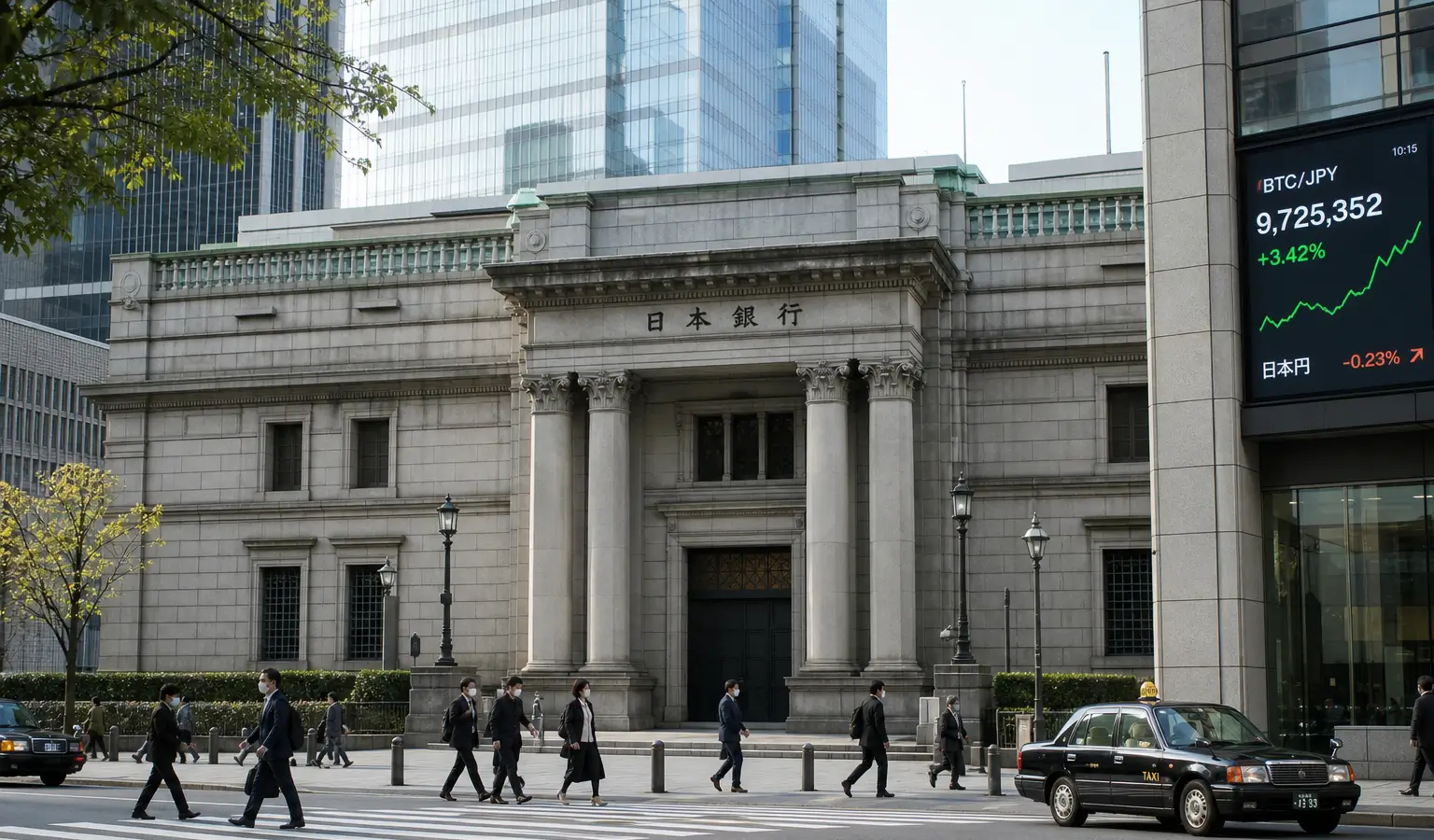
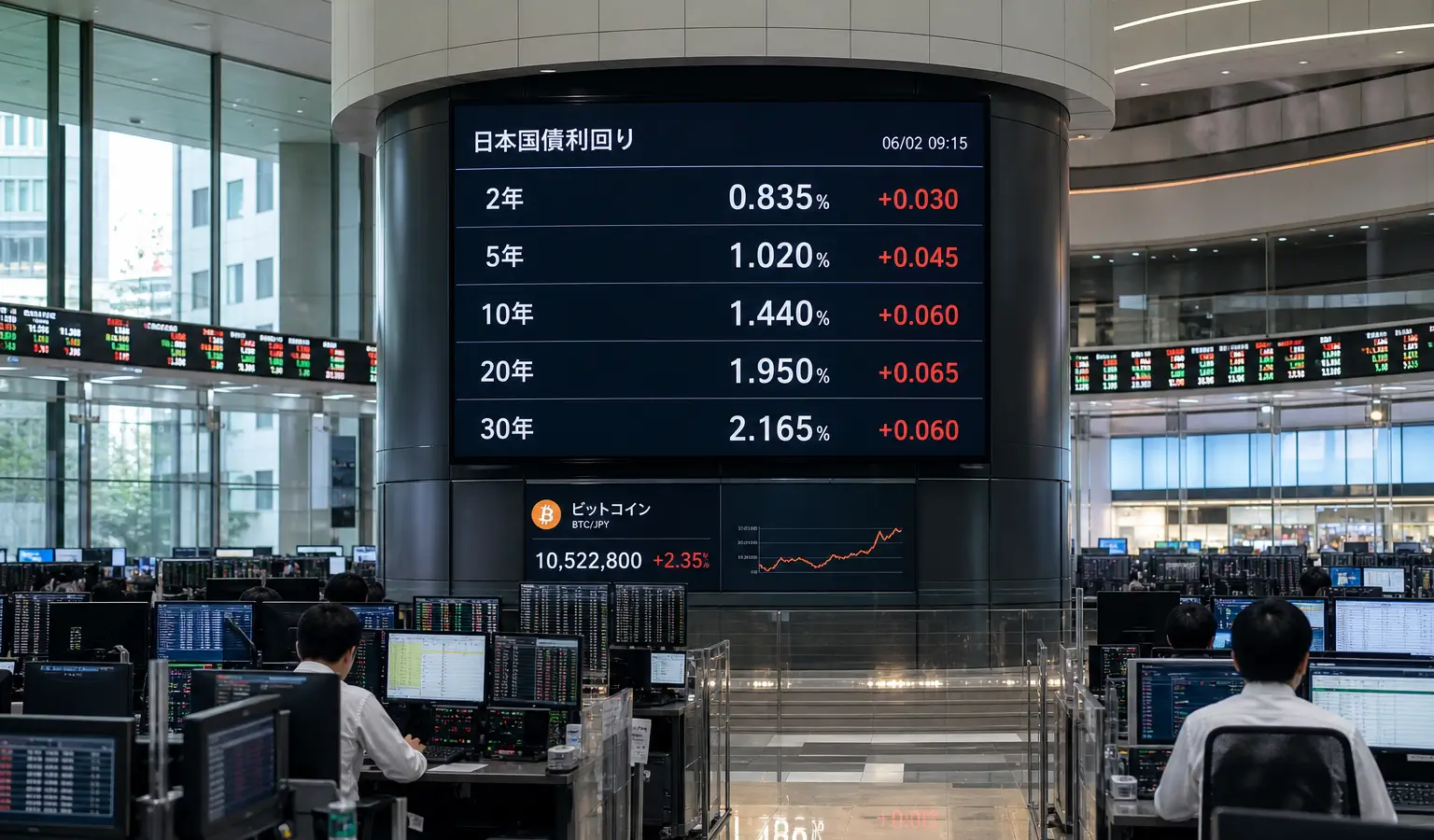
Japan’s 10-year government bond yield has climbed to 2.85%, the highest level in 30 years. So far this month, it has risen 18 basis points. At the same time, the 10-year U.S. Treasury yield has added nearly three basis points and is edging back toward 4.5% for the first time in almost a month. The German 10-year bund is approaching 3%, while the U.K. 10-year gilt is trading around 4.8%.
For Bitcoin, that shift matters because higher government yields make interest-bearing or cash-flow-generating assets more appealing. When bonds start paying more, an asset like BTC, which does not produce yield, can look less attractive by comparison.
From Carry Trade to Higher Yields
For years, Japan helped keep global borrowing costs low through near-zero interest rates and large-scale asset purchases. That made it cheap for investors to borrow yen and rotate into higher-yielding assets elsewhere, a strategy known as the yen carry trade. As Japan moves toward policy normalization, that role as a global backstop may weaken, and capital flows could become more volatile.
Following that logic, a deeper unwind of the carry trade could put additional pressure on liquidity and risk appetite across markets. In other words, Japan’s rate move is not just a domestic story. It also matters for crypto and other risk assets.
What This Means for Bitcoin
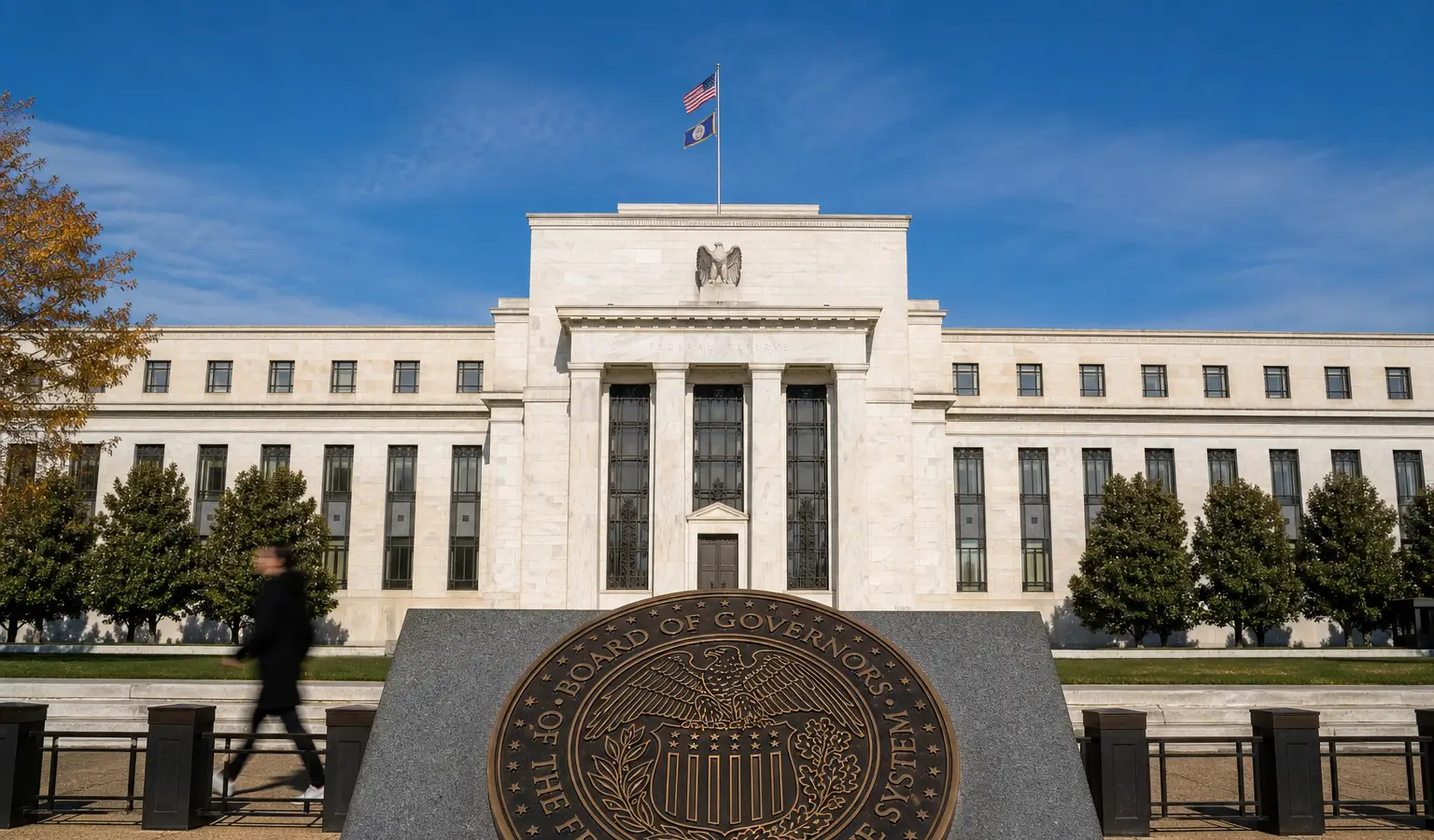
Bitcoin’s latest rally was helped by shifting rate expectations in the U.S. On July 1, Fed Chair Kevin Warsh said inflation looked less threatening than it had a few weeks earlier, and Thursday’s U.S. jobs report came in weaker than expected. Bitcoin found solid support near $58,000 (€50,800) on July 1 before climbing to around $64,000 (€56,100).
That bounce is still exposed to a broader rise in global yields. It also shows how closely Bitcoin continues to trade with macro headlines, from weak U.S. jobs data to changing rate expectations. Bitcoin Climbs to $62,000 After Weak U.S. Jobs Data shows how quickly that mood can turn.
Goldman Sachs still expects the yen to weaken and remains positive on yen-funded carry trades, but for Bitcoin investors, the bigger point is simple: higher rates could make the macro setup for BTC less supportive.