Bitcoin Holds Below $65,000 as Oil and CPI Pressure Builds
Oil prices, the Strait of Hormuz, and U.S. CPI are keeping risk assets under pressure. Strategy’s weekly BTC selling is also weighing on sentiment.
Key Takeaways
- Bitcoin stayed below $65,000 on Tuesday and was still down over the past 24 hours, while Ether also traded lower.
- Oil prices moved higher after tensions around the Strait of Hormuz, while investors are waiting for Wednesday’s U.S. CPI data.
- Strategy sold another 1,690 BTC, reinforcing the idea that a major structural buyer is sitting on the sidelines for now.
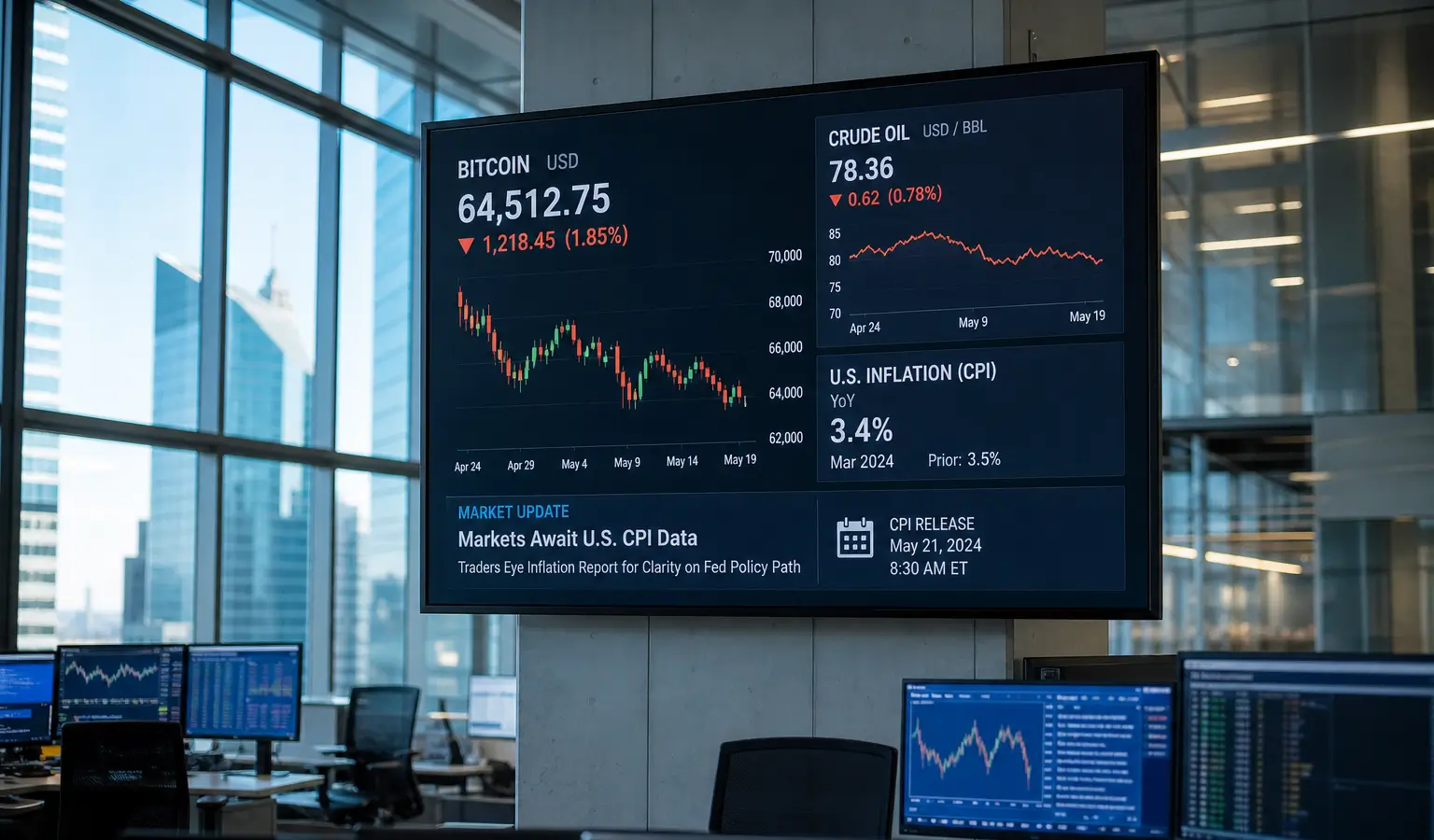
The crypto market was mostly stuck in place on Tuesday after an earlier bounce tied to a possible breakthrough in the Strait of Hormuz quickly faded. Bitcoin was modestly higher from midnight UTC, but it still remained lower over the past 24 hours. Ether also ended the day in the red. For now, traders are mostly focused on Wednesday’s U.S. CPI report, which is the main macro event on this week’s calendar.
Oil and Macro Keep the Market Stuck
The cautious mood deepened after President Donald Trump called for 50 years of compensation from Iran as a condition for any further talks. Brent crude responded by climbing to $89.08 (€77), which is more than 12 percent above last week’s low. The Strait of Hormuz is one of the most important routes for global oil shipments, with roughly 20 percent of the world’s oil moving through it every day. That means any escalation there tends to hit energy prices and risk assets like crypto almost immediately.
Markets elsewhere were just as hesitant. U.S. equity index futures were flat, and crypto failed to find a clear direction as well. That lines up with the broader wait-and-see tone ahead of inflation data, especially as traders weigh the possibility that higher oil prices could keep the rate debate elevated for longer.
Strategy Selling Adds More Pressure
Macro concerns were not the only drag. Strategy also sold another 1,690 BTC on Monday, marking its fourth straight weekly reduction. The company has not added to its bitcoin holdings since June. That matters for the market because sales like this reinforce the idea that one of the biggest structural buyers is temporarily out of the picture. A separate report also detailed how Strategy combined its bitcoin sale with a capital raise to support reserves and preferred stock.
Derivatives activity stayed elevated, but the move did not look especially decisive. Futures volume climbed 51 percent to $143.15 billion (€124 billion) over the past 24 hours, while open interest held near $115.6 billion (€100 billion). That suggests more position turnover than fresh conviction. The long-short taker ratio also moved back toward neutral, with longs and shorts nearly balanced.
XRP and Options Signal Tension
XRP was the main focus on the derivatives side. Open interest in active futures contracts rose 14 percent to 2.72 billion tokens, the highest reading since October. Even so, the token remains under pressure and is now at risk of dropping below $1 (€0.87) for the first time since 2024. The negative 24-hour cumulative volume delta also suggests that sellers are trading more aggressively than buyers.
The options market is also flashing a more cautious tone for Bitcoin and Ether. Weekly call skew weakened and could turn negative if CPI comes in hotter than expected. Bitcoin’s 30-day implied volatility also moved up from a long bottom around 36 percent to 38.64 percent after BTC slipped back below $64,000 (€55,400). For European crypto readers, the takeaway is simple: geopolitics, oil, and U.S. inflation can move crypto fast, even when spot prices are not making a dramatic move right away.