Bolivia Weighs USDT for Its National Payment System
The government is exploring whether Tether’s USDT could circulate alongside the boliviano, while Bolivia also tightens AML rules and oversight of banks and wallets.
Key Takeaways
- Bolivia is looking into whether Tether’s USDT could circulate alongside the boliviano and the U.S. dollar in the national payment system.
- The government is working on rules for banks, crypto wallets, and payment providers, but it has not yet published implementation rules or given the stablecoin legal tender status.
- The plan comes as crypto is growing fast in Bolivia and stricter anti-money laundering checks are still needed because of FATF oversight.
Bolivia is exploring whether Tether’s USDT could be folded into the country’s national payment system. If that happens, it would be another sign of how far Bolivia has moved from its earlier crypto ban toward a more regulated approach to digital assets.
USDT Alongside the Boliviano
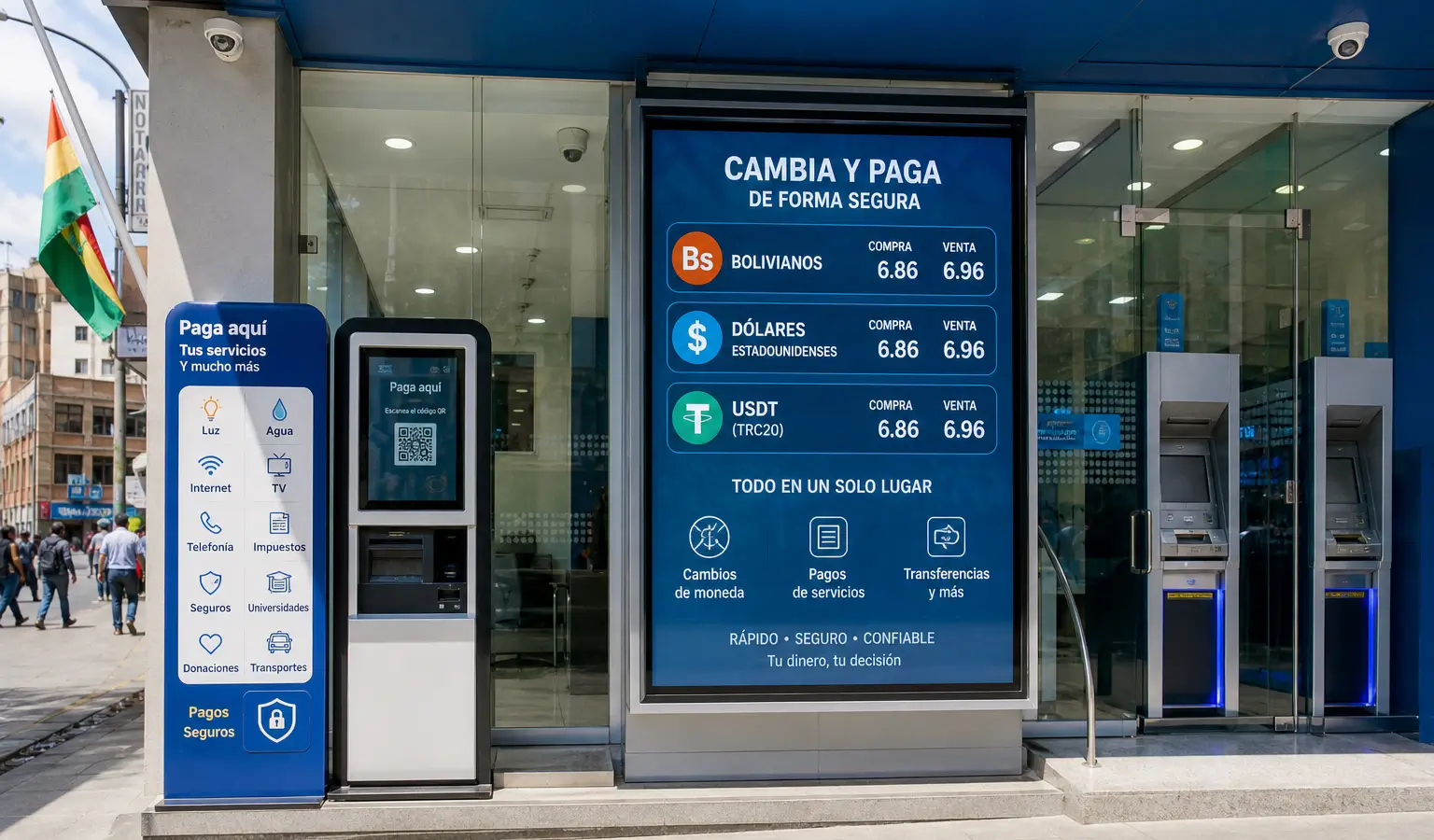
Economy Minister José Gabriel Espinoza said Monday at a press conference that the government is considering whether USDT could circulate alongside the boliviano, the country’s fiat currency, and the U.S. dollar. The idea is still in the early stages, and officials have not yet released implementation rules or granted the stablecoin legal tender status.
Espinoza said the government is also building a framework for banks, crypto wallets, and payment providers. That effort is part of a broader push to bring more order to digital payments after Bolivia already opened the door to regulated crypto activity. Regulators elsewhere are taking similar steps to monitor stablecoin payments, including in Thailand, where the central bank wants additional anti-money laundering controls around USDT.
Tighter Oversight Is Still Needed
Any rollout would also need stronger anti-money laundering safeguards. Bolivia remains on the Financial Action Task Force’s grey list, which means the country is under extra oversight because of weaknesses in its financial crime controls.
That backdrop matters because authorities are not only focused on convenience. They are also trying to balance access with compliance and oversight. In May 2025, Bolivia issued Supreme Decree No. 5384, the first rule to explicitly recognize and regulate Financial Technology Companies, showing that the country is gradually putting a legal framework around digital financial services.
Crypto Is Growing Fast in Bolivia
The discussion comes as crypto use in Bolivia has accelerated sharply. The central bank lifted restrictions on transactions in June 2024, and official data shows transaction value climbed from $46.5 million (€40.7 million) in the first half of 2024 to $294 million (€257 million) in the same period a year later. According to the central bank, total transaction value has jumped 630 percent since those restrictions were removed.
Interest in alternatives has also picked up as businesses and consumers look for ways around the shortage of U.S. dollars. Bolivia previously dropped its fixed dollar peg and moved to a floating exchange rate this year. State-owned YPFB said last year that it planned to use crypto for energy imports, while Banco Unión and the Yasta wallet in April began allowing USDT purchases through EFY Finance for international payments and remittances.