Brazilian Companies Rush Into USDT After Election Shock
Companies mainly used USDT and bitcoin to hedge currency risk; 78% of trading on Mercado Bitcoin came from corporate accounts.
Key Takeaways
- Brazilian companies bought USDT and bitcoin in a wave after the unexpected election result to protect their cash positions from the weaker real.
- On Mercado Bitcoin, 78% of trading came from corporate accounts; USDT volume was almost 800% higher than a week earlier.
- Stablecoin volumes also rose sharply across Brazil more broadly, while the move was mainly local and tied to currency risk, not a broad crypto rally.
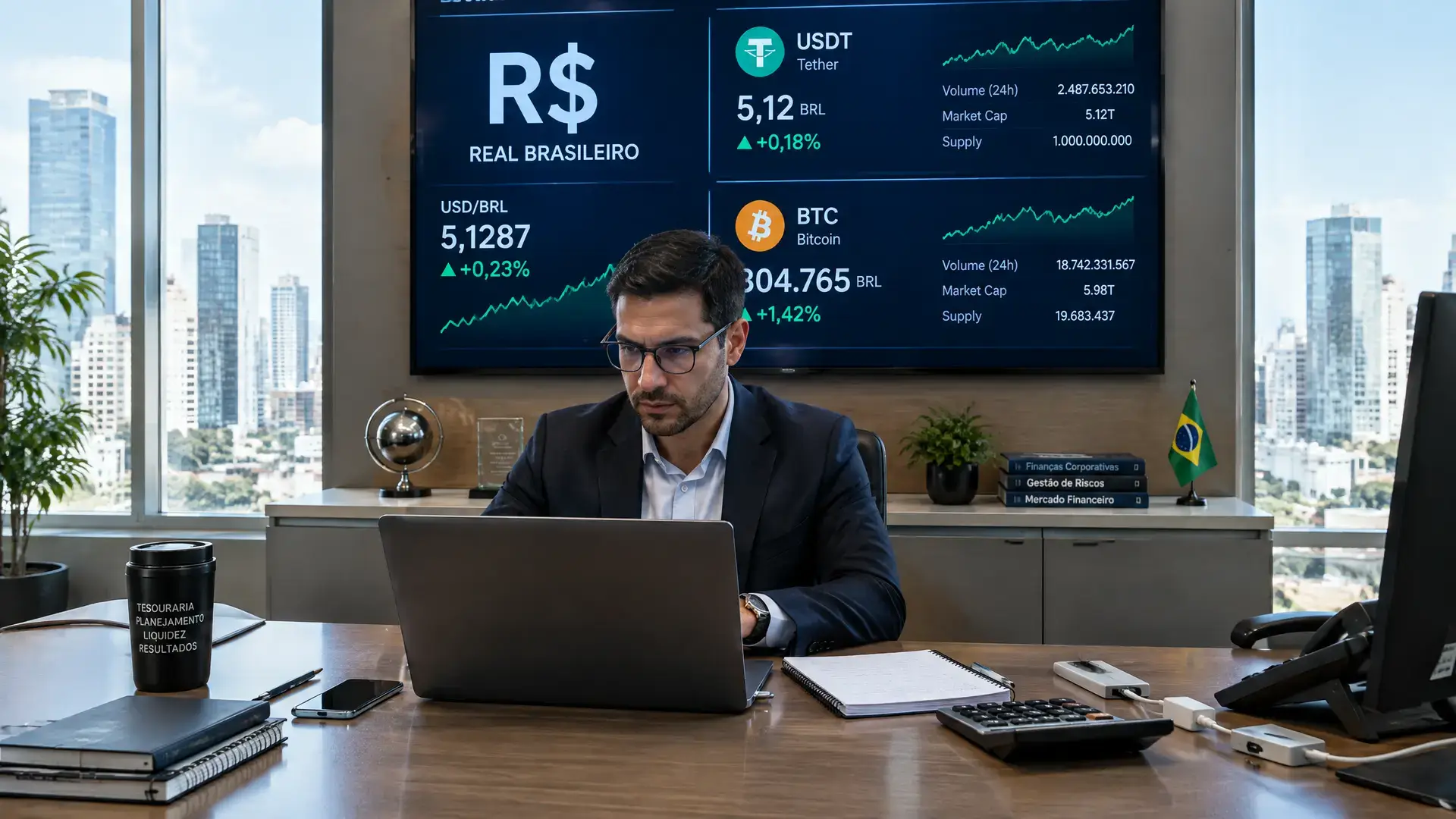
Brazilian companies rushed into stablecoins and bitcoin on Sunday after the unexpected election result increased pressure on the real. On crypto exchange Mercado Bitcoin, 78% of trading came from corporate accounts, while Tether’s USDT volume was almost 800% higher than a week earlier.
Companies Sought Dollar Exposure
The trading spike was mostly about treasury management. According to Mercado Bitcoin, companies wanted to protect their cash positions from the election shock, in which incumbent president Luiz Inácio Lula da Silva unexpectedly beat Flávio Bolsonaro. The exchange said USDT trading was more than three times higher than the average of the previous four Sundays.
Bitcoin was also traded much more actively. BTC volume rose 865% compared with the Sunday before. Pedro Fontes, a research analyst at Mercado Bitcoin, said this fits the logic of not relying only on the real. According to him, stablecoins like USDT and USDC offer a simple way to park part of a company’s assets in dollars, even with small amounts.
Bigger Than One Trading Day
The reaction was not limited to Mercado Bitcoin. Data from Biscoint, which tracks volumes across ten trading platforms, showed that USDT volume against the real rose 150% and USDC volume was 318% higher than a week earlier. On Monday, combined USDT and USDC volume climbed to 1.84 billion reais, about $350 million (€314 million), while bitcoin trading came in more than nine times higher at 1,336 BTC.
At the same time, it was clear that the move was mostly local. On Binance, bitcoin volume against the real rose 370%, while the global BTC/USDT pair actually fell 25%. Bitcoin gained 9.4% against the real, but slipped 0.2% against USDT. That suggests Brazilian traders were mainly reacting to the weaker currency, not to a broad rally in crypto.
Why This Matters
The Brazilian market shows how quickly stablecoins can play a role when companies want to hedge currency risk. That matters even more because Brazil’s central bank has treated foreign stablecoin activity as currency transactions since February 2026, with stricter documentation and reporting requirements. In May, the central bank also said Brazil bought $2.632 billion (€2.4 billion) in stablecoins, up 158% year over year.
For European readers, the key point is that rules like these can strongly shape how companies use stablecoins. In Brazil, there is now also a partial ban on using stablecoins and crypto for cross-border payments and currency transactions through regulated channels, which could further affect crypto’s role in treasury management. That ties into broader debates about how companies use stablecoins for payments and liquidity management, such as in the growing adoption among companies and banks.