Brooklyn Man Gets Up to 12 Years for Coinbase Phishing
Spektor posed as a Coinbase employee and allegedly used social engineering to steal nearly $16 million. The case shows how phishing and wallet fraud keep hitting major exchanges too.

Key Takeaways
- A Brooklyn man got four to 12 years in prison for a year-long Coinbase phishing case that stole nearly $16 million.
- Ronald Spektor posed as a Coinbase employee and lured about 100 users to a fake wallet he controlled.
- The stolen crypto was laundered through multiple exchanges; Spektor must also pay back nearly $16 million in damages.
A Brooklyn man has been sentenced to four to 12 years in prison for a year-long Coinbase phishing case in which prosecutors say nearly $16 million (€14 million) in crypto was stolen from about 100 users. Ronald Spektor pleaded guilty earlier this month to a 31-count indictment, including money laundering, grand larceny, and possession of stolen property.
How the Scam Worked
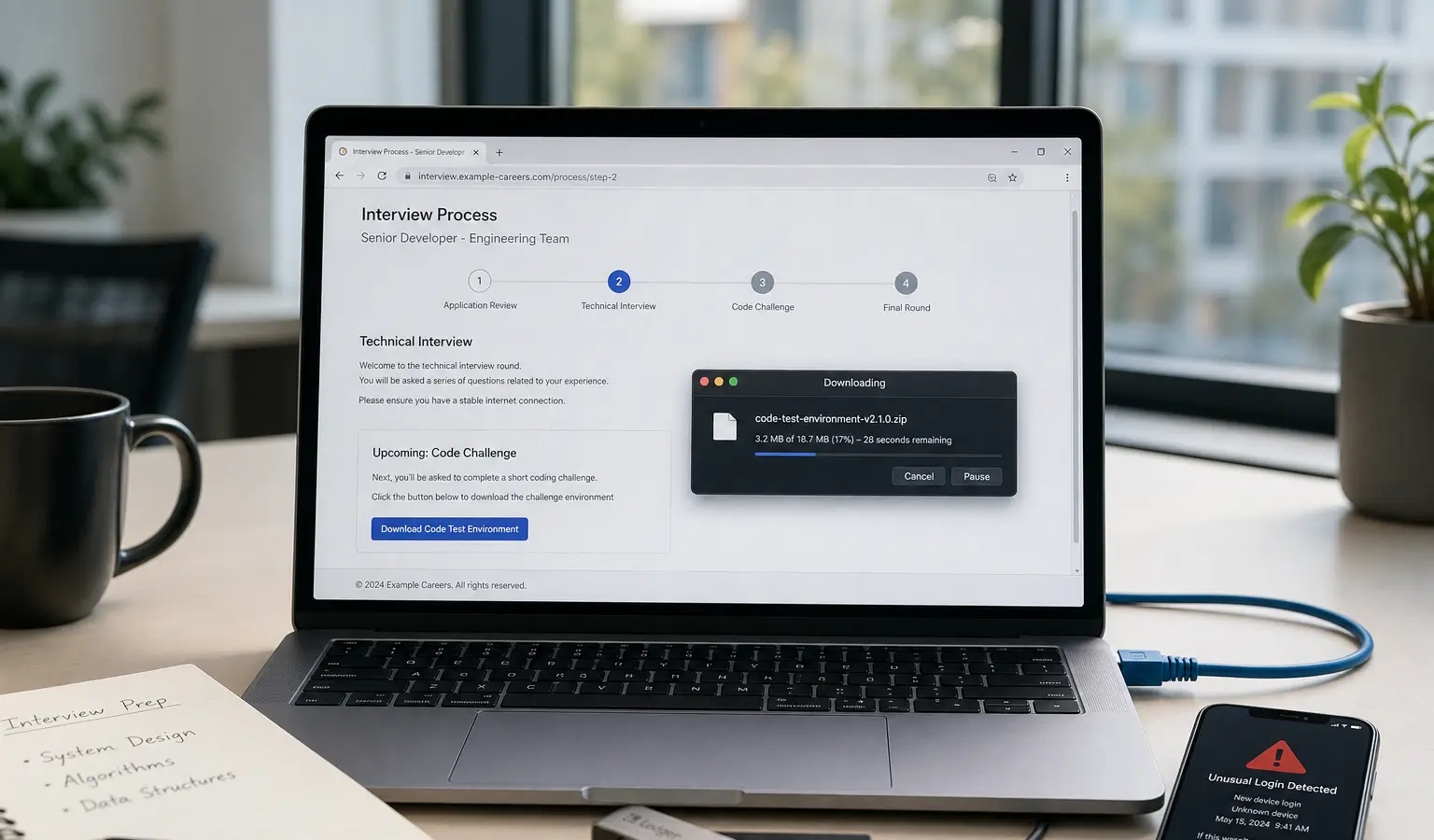
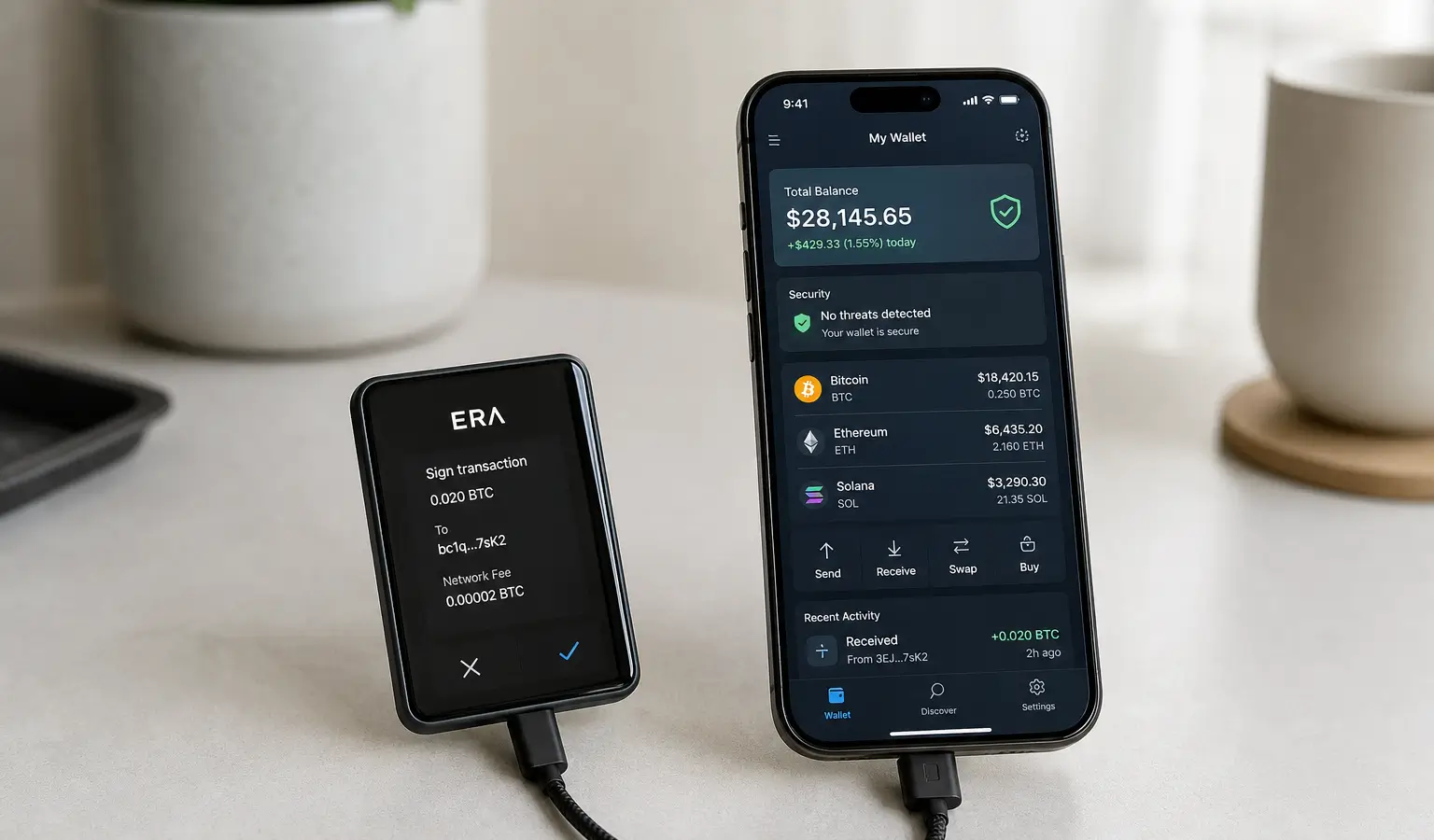
According to prosecutors, Spektor posed as a Coinbase employee. Victims were told their assets were at risk because of a hacker. They were then persuaded to move their crypto to a new crypto wallet that looked safe but was actually accessible by Spektor.
The case shows how social engineering is still one of crypto's weakest spots. Attackers do not always need to break into a protocol or exchange; often, all it takes is earning trust and getting users to make the wrong move themselves. Coinbase has long been a target for this kind of attack, and the crypto industry has seen phishing as a stubborn risk for years. AI-driven fraud is also making these impersonation attacks more convincing.
Laundering Through Exchanges
According to prosecutors, the stolen crypto was then moved several times through different crypto exchanges. In the end, the money ended up at so-called cash-out points, where it could be converted into other cryptocurrencies, used for betting, turned into cash, or spent on gift cards and digital assets.
Investigators linked the case to Spektor through transaction data, blockchain analysis, digital forensic evidence, and information from multiple search warrants. His home IP address was also tied to multiple wallets from which crypto had been stolen. In addition to the prison sentence, he must pay nearly $16 million (€14 million) in damages and hand over more than $500,000 (€438,200) in cash, crypto, and personal belongings.
Why This Matters for Users
For European crypto users, this case is mainly a reminder that phishing is not just about fake websites or bogus emails. Criminals are increasingly using convincing impersonation of well-known platforms and trying to get victims to approve a transfer themselves. That makes it especially important to stay alert around wallet addresses, support requests, and unexpected warnings, especially on major exchanges.