Major Canadian Banks Test Tokenized Deposits
The TD Bank and Big Six initiative is meant to speed up payments between Canadian banks, inside the regulated banking system and separate from stablecoins.
Key Takeaways
- Six major Canadian banks are testing a tokenized deposit system in Canadian dollars to make payments between institutions move faster.
- The TD Bank initiative brings the Big Six together in one network for digital bank balances inside the regulated banking system.
- The banks have not made a final commitment to issue tokenized deposits yet, but Canada is continuing to build out tokenized finance.
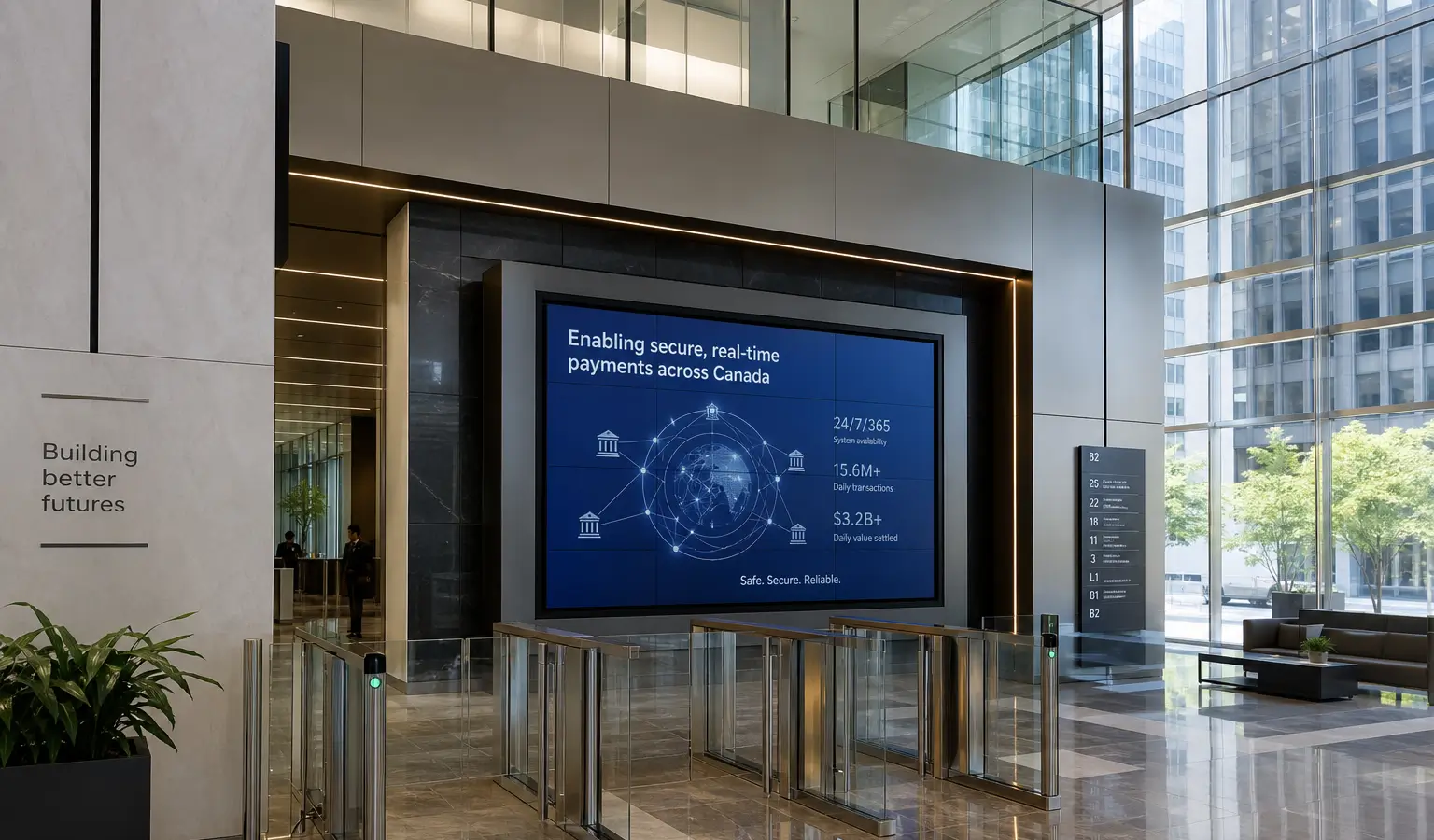
Six of Canada’s biggest banks are exploring a tokenized deposit system in Canadian dollars that is meant to move money faster between financial institutions. The project was set up by TD Bank and brings together the so-called Big Six in a shared network that could later connect to other digital asset initiatives.
Shared Network for Payments
Bank of Montreal, Canadian Imperial Bank of Commerce, National Bank of Canada, Royal Bank of Canada, Scotiabank and TD Bank Group make up the initiative. In the first phase, the focus is on moving tokenized deposits between the participating banks. The banks say more parties could join later.
Tokenized deposits are digital representations of money that already sits in a bank account. That is different from stablecoins issued by a crypto company. According to the banks, the system should make payments faster, more efficient and programmable, while keeping the money inside the regulated banking system.
Why This Matters
The move fits into a broader global race to put bank deposits on blockchain infrastructure. In the United States, regional banks are working on a shared network for tokenized deposits, while JPMorgan, Citi and Wells Fargo have also built their own institutional products. Swift is also testing tokenized deposits for 24/7 cross-border payments with banks on six continents.
For European crypto readers, the key point is that tokenized bank deposits are increasingly being seen alongside stablecoins and central bank money as a separate layer of digital money. The IMF has previously pointed to the possibility that tokenization could bring clearing and settlement together in one step, which could lower costs and speed up processes.
Canada Keeps Building Tokenized Finance
The Canadian banks are also taking another step in the development of tokenized financial markets. In March, the Bank of Canada, RBC and TD wrapped up Project Samara, a test in which a 100 million Canadian dollar bond, about $71 million (€61.9 million), was issued, traded and settled on a distributed ledger with tokenized wholesale Canadian dollars.
Canada is also working on a domestic stablecoin market. In May, Shopify and the National Bank of Canada backed a regulated digital Canadian dollar that should be able to run day and night.
The six banks have not yet made a final commitment to issue tokenized deposits themselves. Still, the project brings nearly all major Canadian banks together around one model for digital money, instead of leaving that activity mostly to stablecoin issuers.
In the U.S., major banks are already taking that step further. US Banks Build Their Own Blockchain for Stablecoins explains how a bank-led network there is supposed to support tokenized deposits and stablecoins within the regulated system.